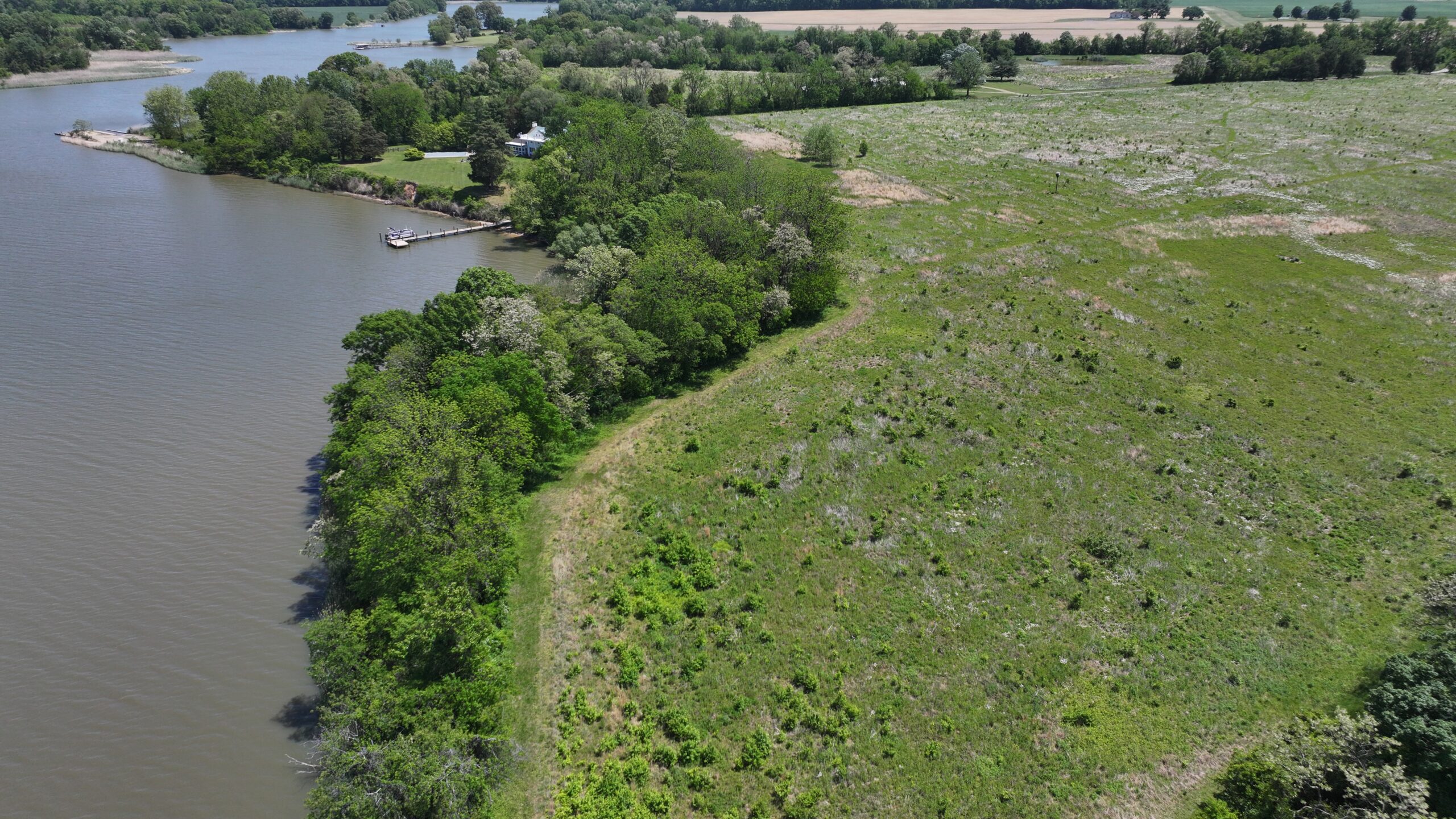
As an accredited land trust, ESLC is required to conduct annual monitoring visits to each and every one of our 346 (and counting) conservation easements. Despite being only halfway through the year, we’ve already driven, walked, and flown over 36,000 acres of land. We are nearly two thirds of the way to completing this year’s monitoring!

Beyond ensuring compliance with the easement, each annual visit gives us an opportunity to keep a finger on the pulse of the land. We check in with landowners and property managers about the challenges on their mind, be it saltwater intrusion and shoreline loss or navigating the transfer of land from one generation to the next. As often as possible we offer resources, whether that means connecting landowners with specialists for establishing upland wildlife habitat or providing information and workshops for managing land with prescribed burns. We’ve even helped landowners to apply for (and get awarded!) grants for acting on their farm succession plans.

We still have plenty of visits ahead of us in 2026, but we should have no problem getting the job done thanks to our phenomenal summer intern, Hannah. Hannah hit the ground running with us back in June and has already taken on a helpful share of stewardship.

For ESLC, annual monitoring visits are not just a matter of checking a box, they’re an opportunity to continue building a long-term relationship—with the landowners, with the land, and with all the plants and animals that call the Shore home. Here’s a glimpse from the first half of the year:
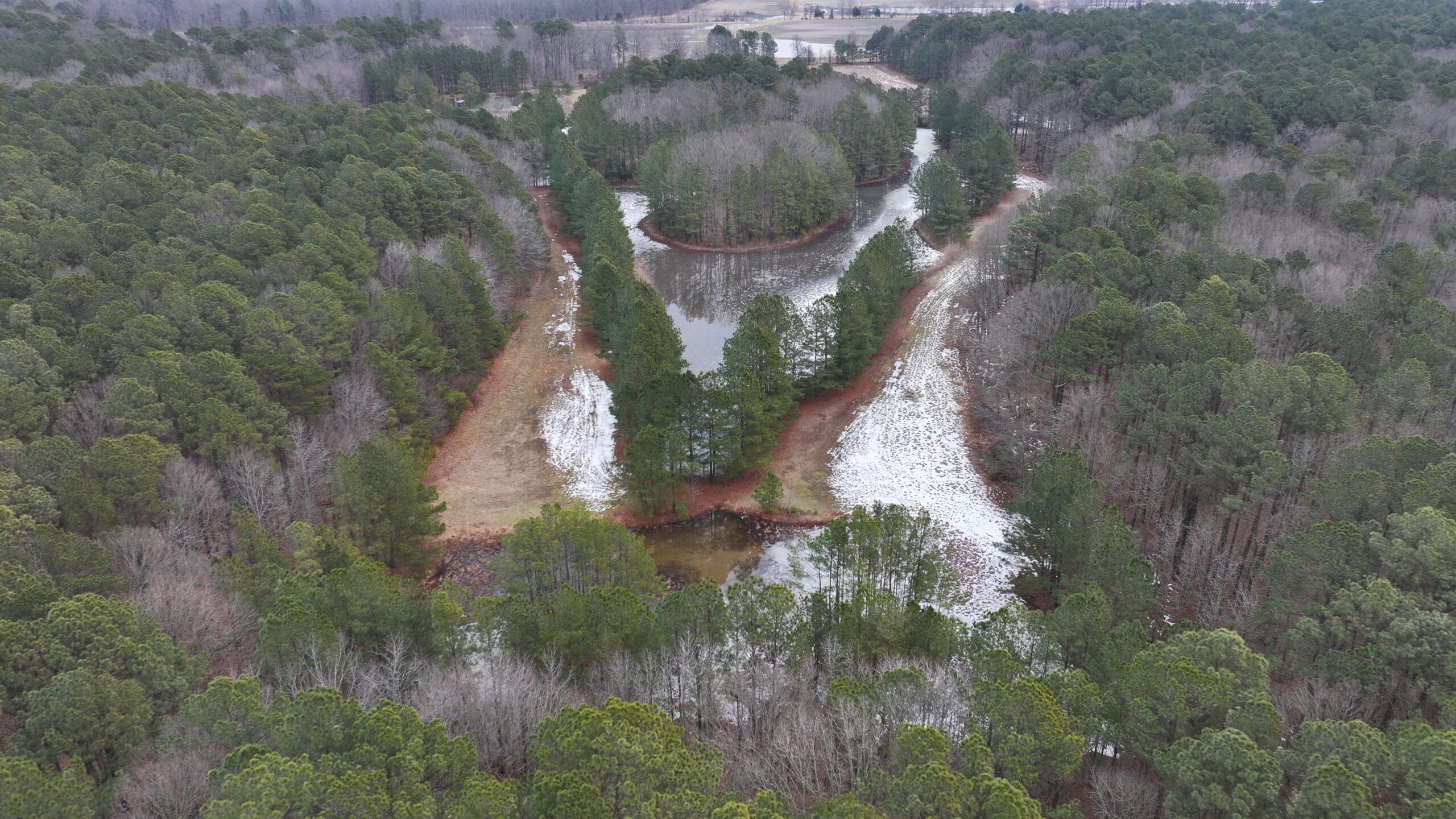
Snow was hardly given time to melt, nor waters time to thaw before our stewards were back on the landscape to keep up with ESLC's monitoring schedule. This 193-acre conservation easement in Talbot County protects farmland, wetland, endangered species habitat, and more than 168 acres of forest.
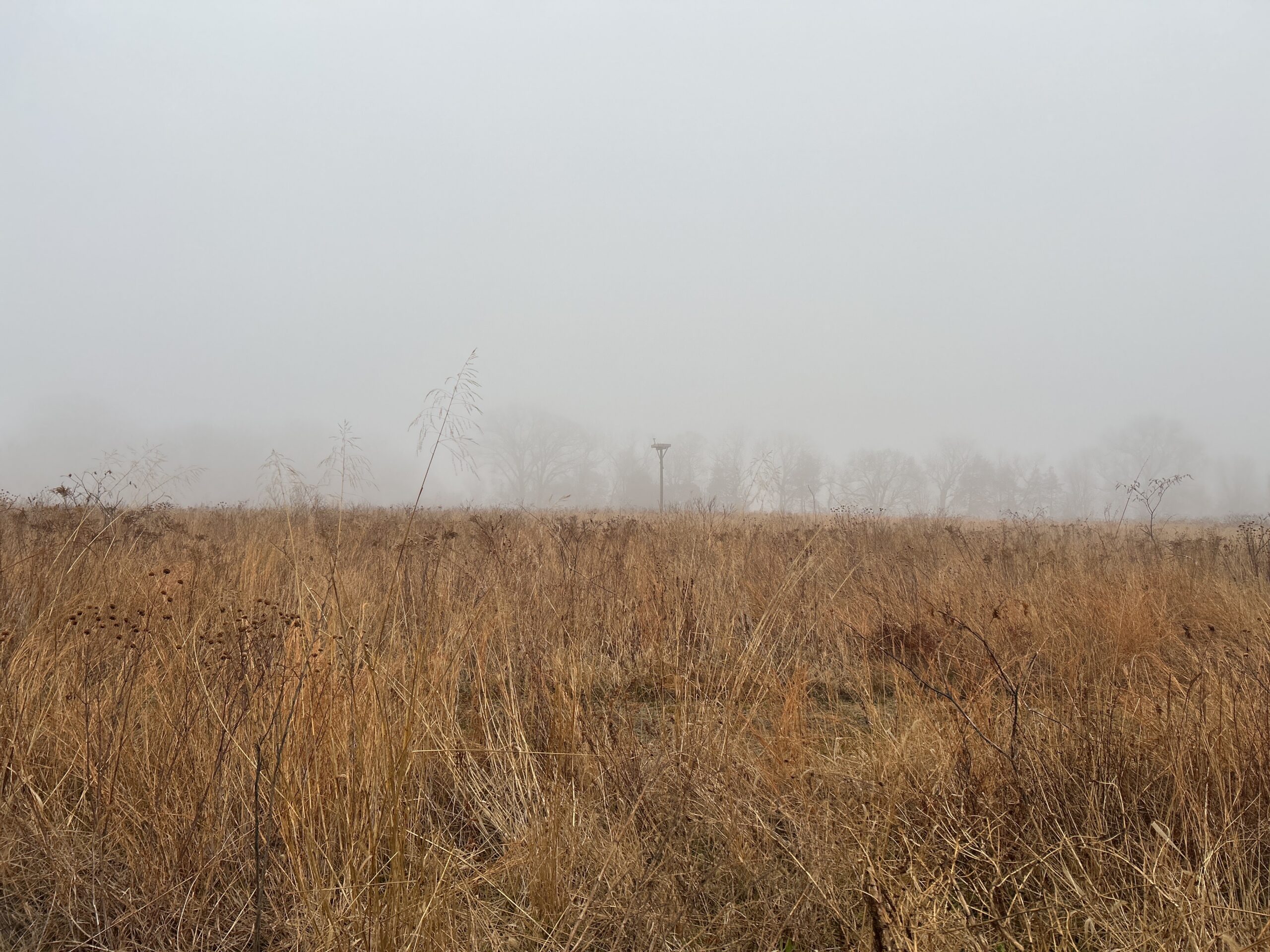
An osprey platform overlooks a Kent County meadow on a foggy morning in February, just weeks before this conserved land was rejuvenated with a prescribed burn.
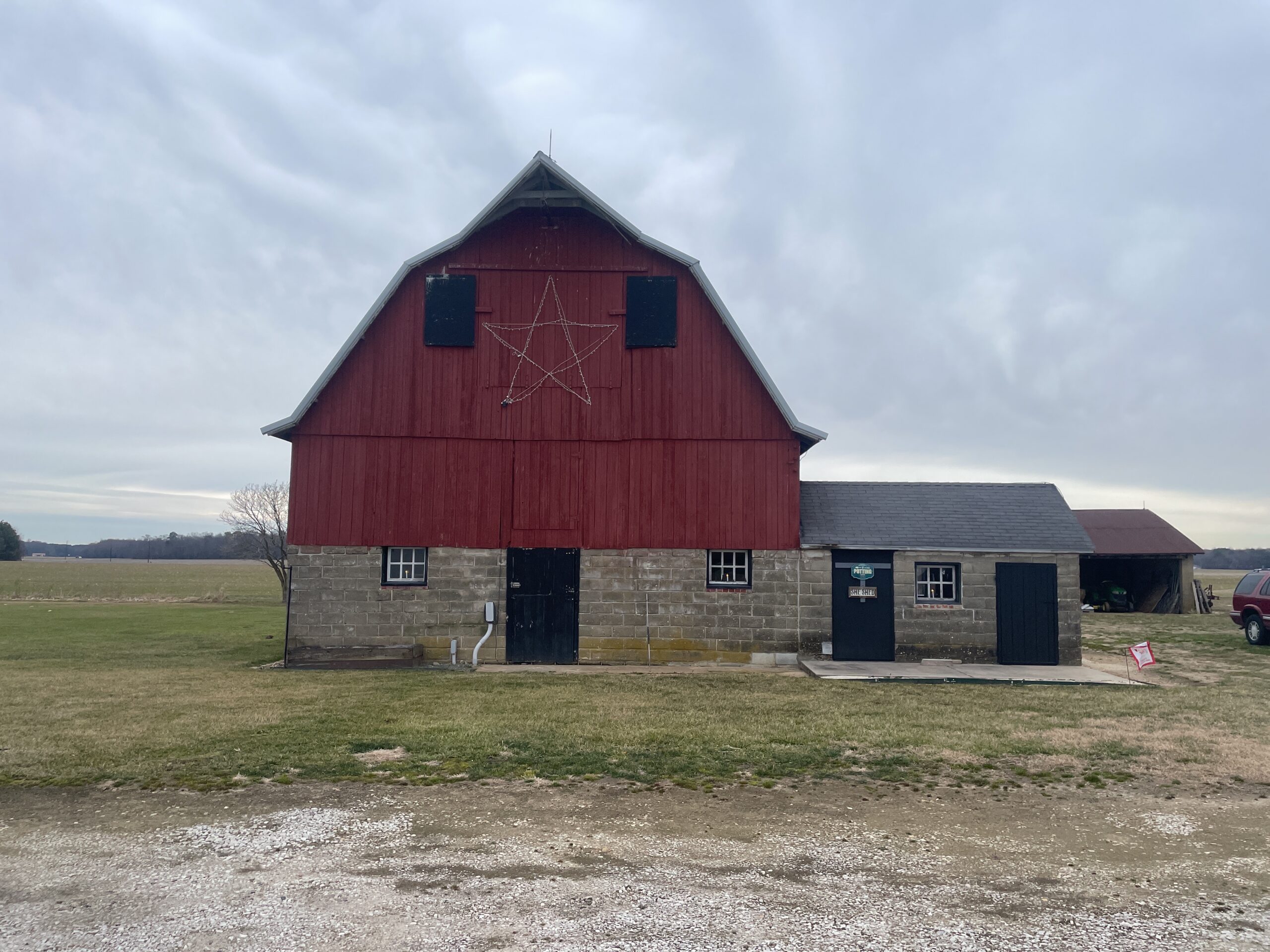
A rustic barn outside Federalsburg sits quietly on a bone-chilling day in mid-January. Thomas Family Farm protects more than 63 acres of active farmland. ESLC conserved the property in 2002 through the Rural Legacy program, funded by Program Open Space.
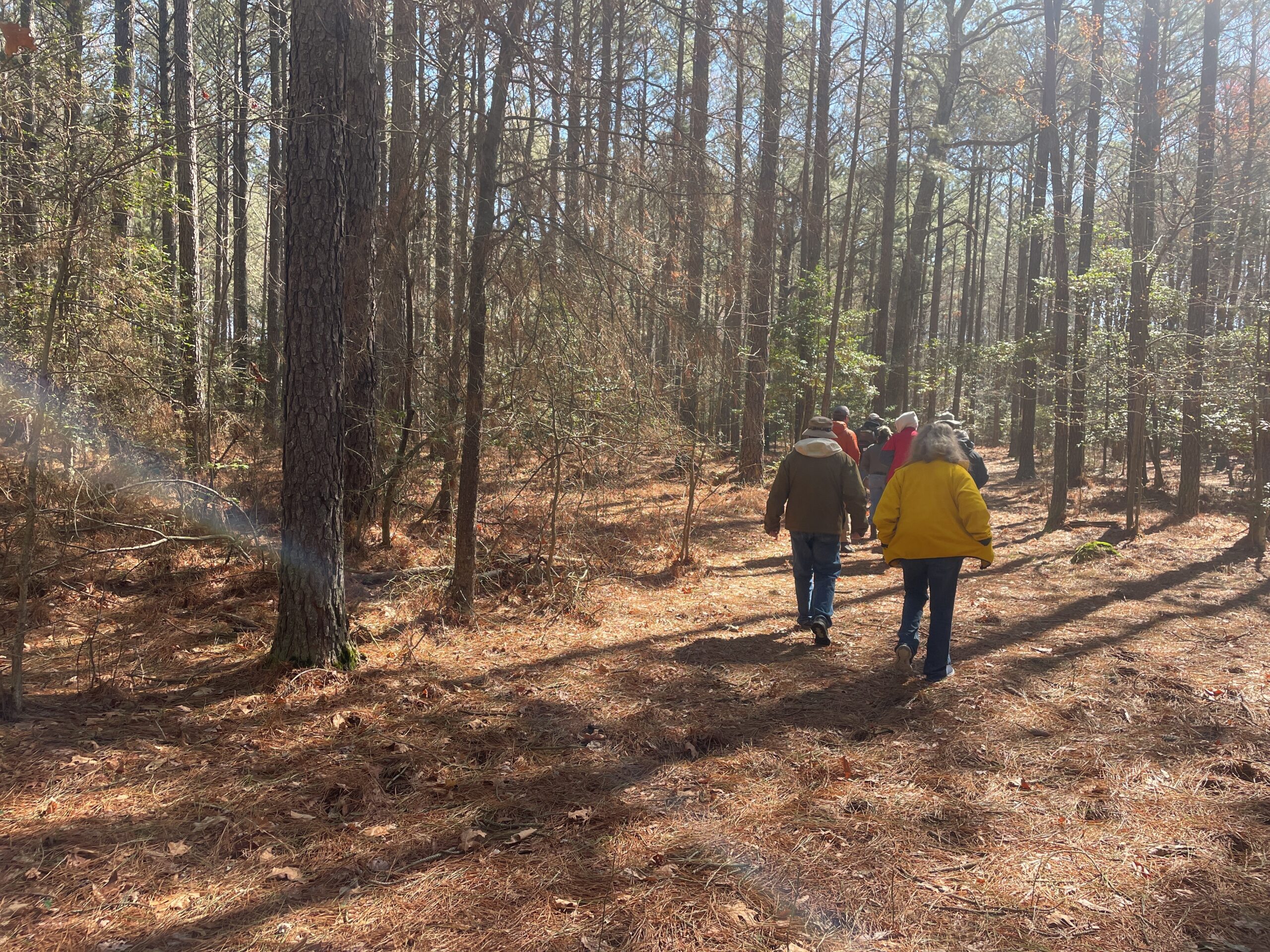
ESLC's March monitoring visit to Abend Hafen Tree Farm in Madison coincided with a University of Maryland Extension forestry workshop! Conserved by ESLC in 1992, Rick and Kathy Abend's tree farm continues to be a outstanding resource for forestry professionals in Maryland.
ESLC's March monitoring visit to Abend Hafen Tree Farm in Madison coincided with a University of Maryland Extension forestry workshop! Conserved by ESLC in 1992, Rick and Kathy Abend's tree farm continues to be an outstanding resource for forestry professionals in Maryland.
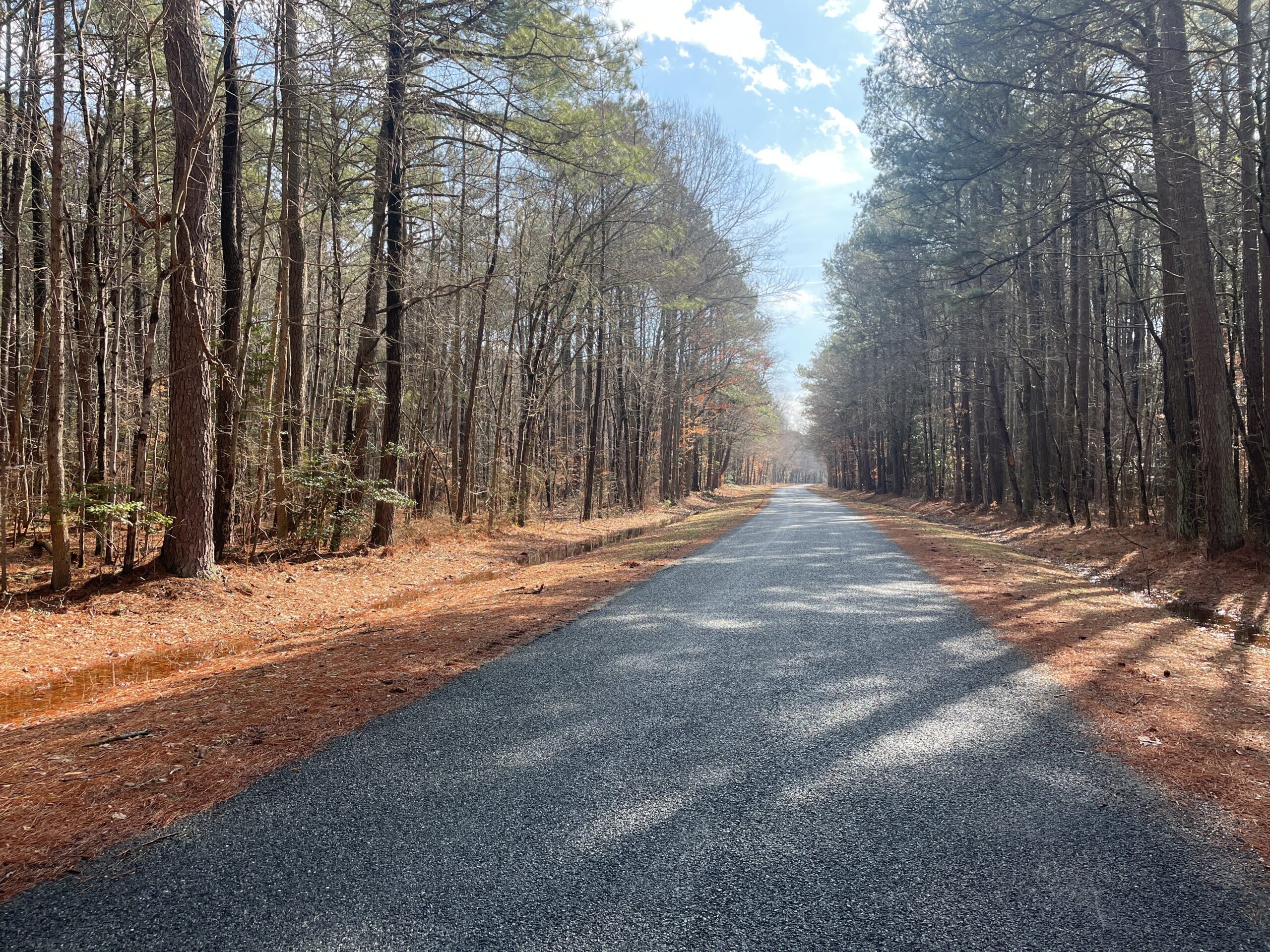
Conserved by ESLC in 2011, Mowbray Farm in Dorchester County protects an impressive 344+ acres of farmland and 380+ acres of forest, making for both wide open views and shady scenic drives through cathedral-high pines.
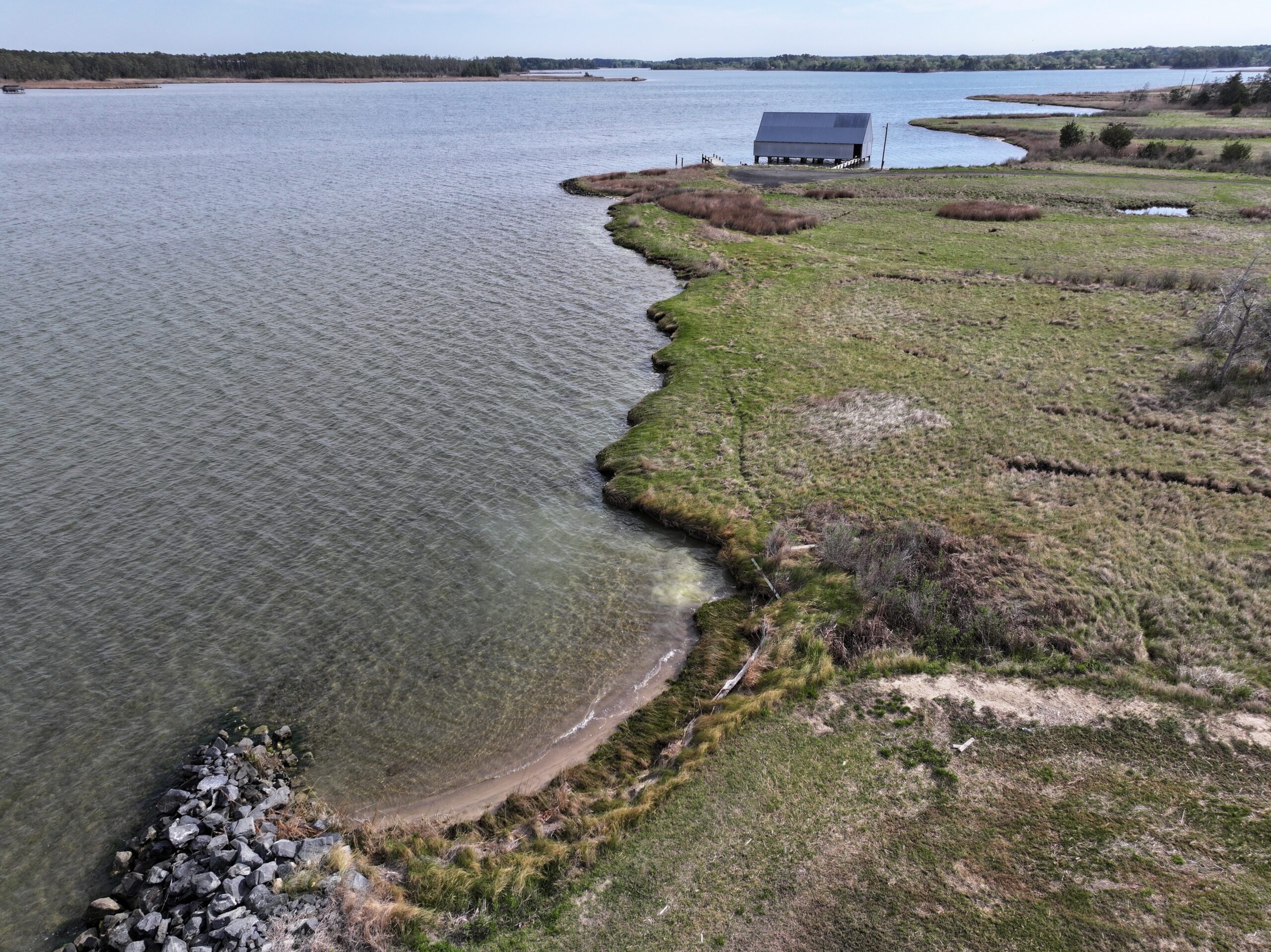
ESLC regularly documents ongoing shoreline erosion at properties like Rolling View as part of our annual visits. And just two months after our visit this spring, this beautiful marsh was protected with the first QuickReef living shoreline in the state of Maryland!
May 2026 marked our inaugural annual visit to Church Hill’s Southeast Creek Farm, which ESLC protected with an easement just last year. It’s one of many new easements to come, and we’re excited to see how the Natural Lands Project meadows planted here respond to sustainable management over the years.
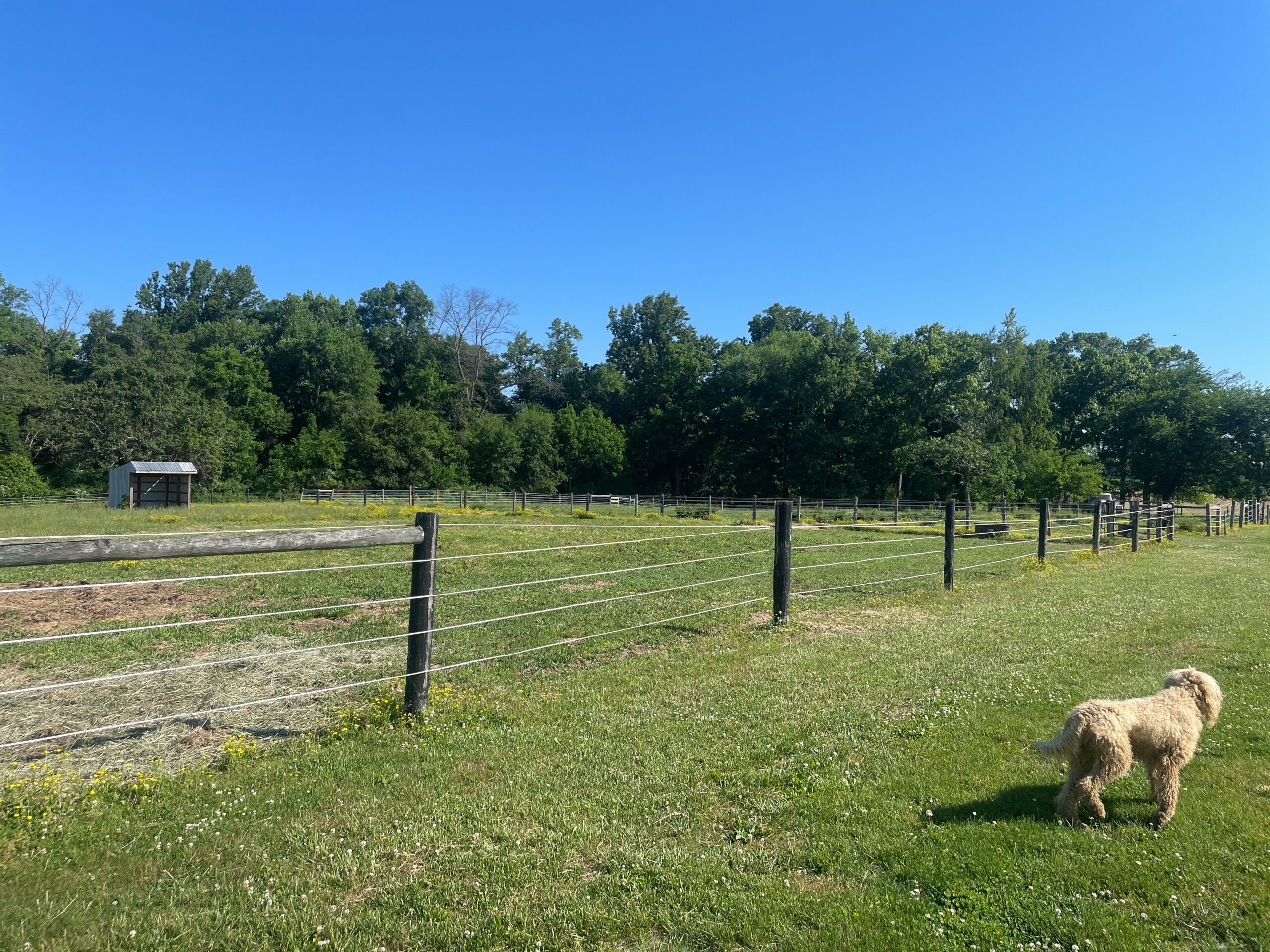
Furry friends make a habit of finding their way into our monitoring photos, and this Cecil County pup is no exception. More than 228 acres are protected on Earleville's Old Philadelphia Farm, conserved by ESLC through the Rural Legacy Program in 2001. This easement is home to protected forests, productive farm fields, and a whole apiary of honey bees.
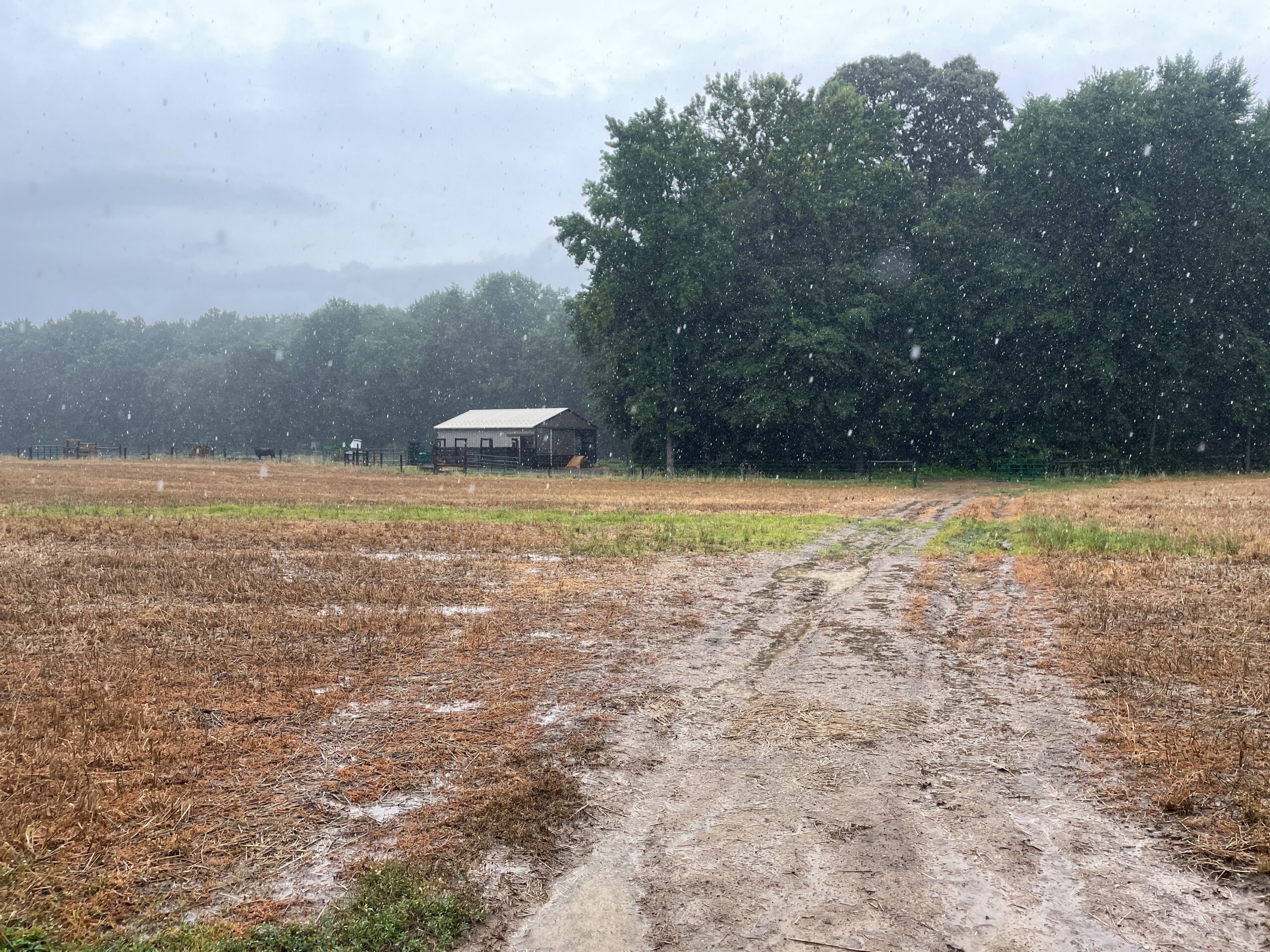
With more properties to visit than there are working days in the year, our stewardship team can’t always afford to be picky with the weather! Raincoats and boots made the best of things at this Cecil County farm, originally protected by ESLC and Herschell B. Claggett, Sr. in 2007.
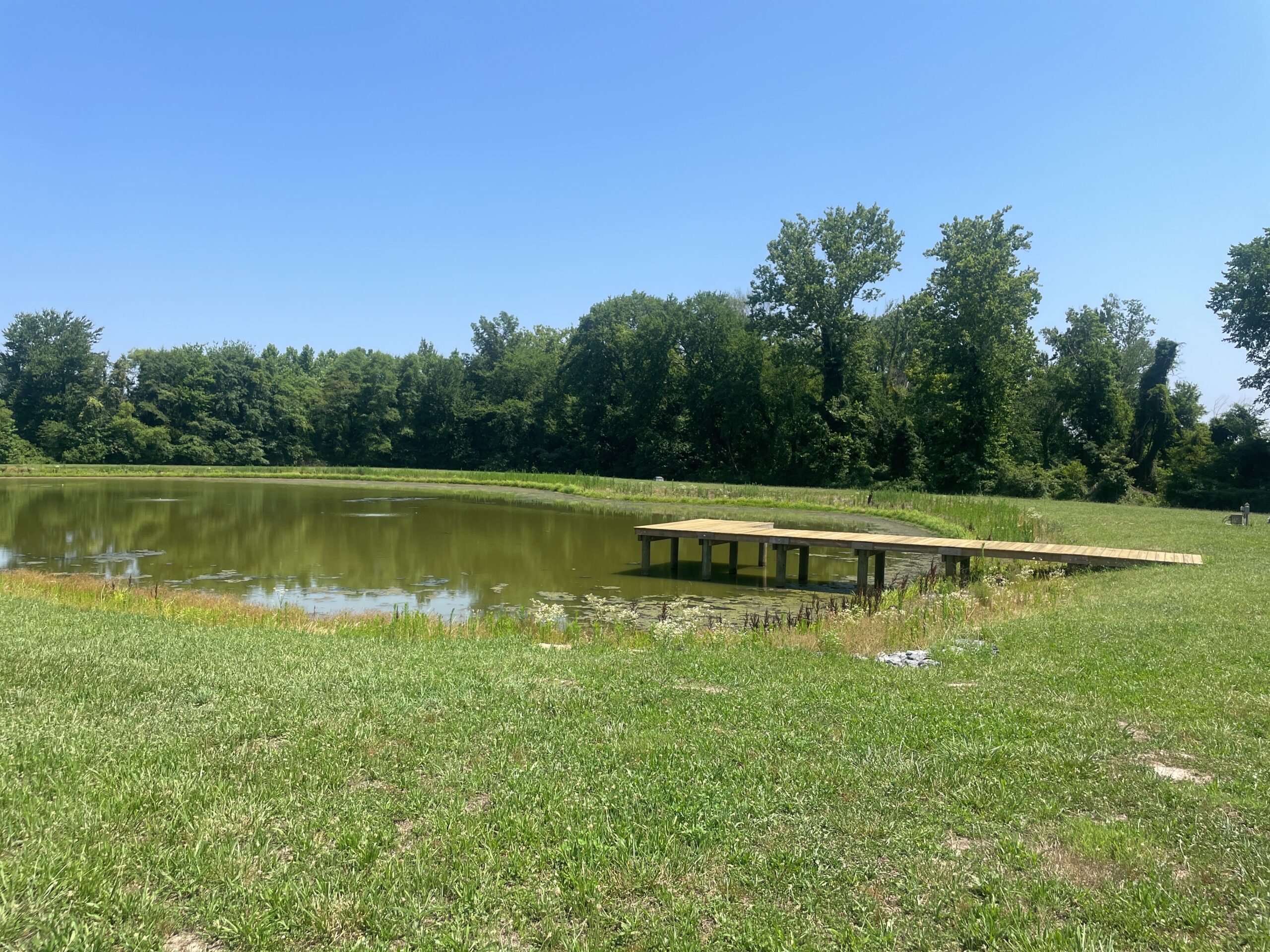
It took a lot of restraint for our stewardship team not to take a dive off the dock on this 100-degree monitoring day in Talbot County! Conserved in 2012, Wootenaux Creek Farm is an important piece of the greenbelt that confines sprawl development around Easton.