
35/36/37: In Year 35, ESLC Adds to 3600-Acre Wildlife Corridor in 337th Easement
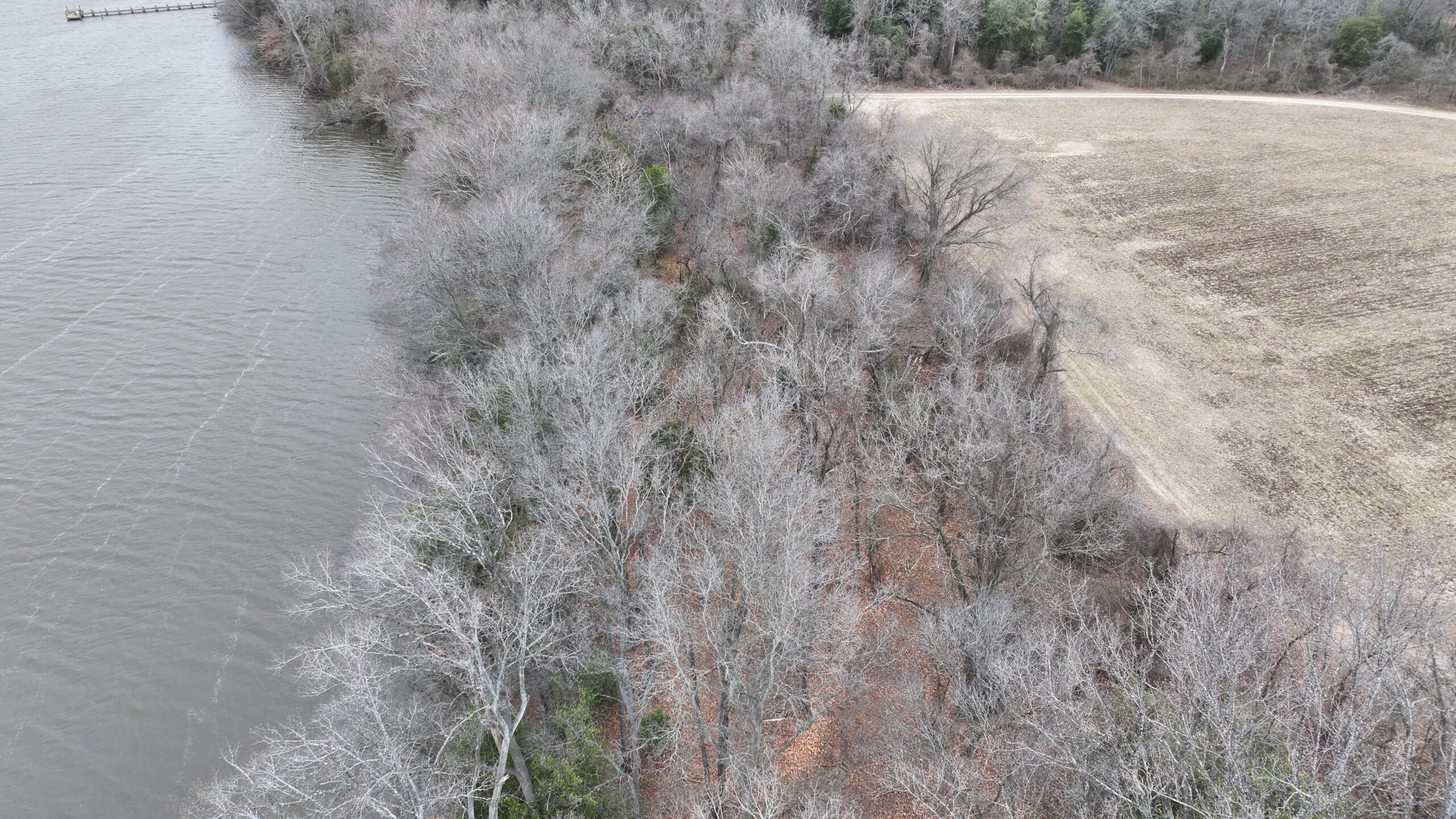
In the spirit of ESLC’s 35th anniversary, 104 acres owned by Jay and Kimberly Downes, have now been protected forever, marking ESLC’s 337th conservation easement. Located in Caroline County off Tuckahoe Road, the Downes’ farm has 1,430 feet of water frontage along Tuckahoe Creek and the addition of this easement adds to a larger block of protected lands, totaling just over 3600 acres.
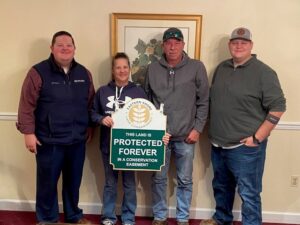
76 acres of the property are agricultural, and Jay has been tilling the property for 15 years, mainly growing corn and soybeans. Jay is a 5th generation farmer and finds it important to protect farmland on the Eastern Shore. “Once farmland is gone, it’s gone,” he says. “They don’t make anymore and we’re losing it quick.”
The remaining 28 acres of the Downes’ farm consists of woodlands that act as important habitat for a variety of wildlife. Of particular interest to ESLC is a variety of birds species such as migratory warblers and resident woodpeckers, hawks, and owls. These species require large, unfragmented forest areas to breed successfully, but many of them have declined over the last several decades due to habitat loss and forest fragmentation. The addition of these 28 acres of woodlands to a larger corridor makes the Downes’ easement ecologically valuable.
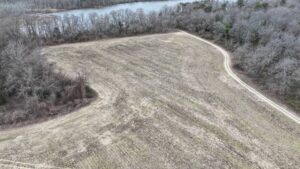 Since the Downes’ property is located along Tuckahoe Creek, the woodlands expand the riparian habitat and help extend the existing wildlife corridor from adjacent easements. On the Eastern Shore, riparian corridors are especially important because our extensive network of waterways creates continuous natural pathways in an otherwise fragmented landscape. These streamside woodlands provide critical pathways for migrating birds and other wildlife, making them some of the most valuable habitat connections on the shore.
This easement is within the Tuckahoe Rural Legacy Area which is a concentrated zone for the protection of agricultural and natural resources, as designated by ESLC and in collaboration with Caroline County and Maryland DNR. ESLC is grateful for the financial and technical support provided by the Maryland DNR’s Rural Legacy Program to make this new conservation easement a reality.
When the Downes were asked what they would tell others who might be thinking about protecting their land through a conservation easement, Jay didn’t hesitate. “If you have the opportunity to do it, do it,” he said. It was a meaningful statement that captures the importance and lasting impact of land conservation.