ESLC conserves 70-acre Swann Farm in Talbot County
May 19, 2026
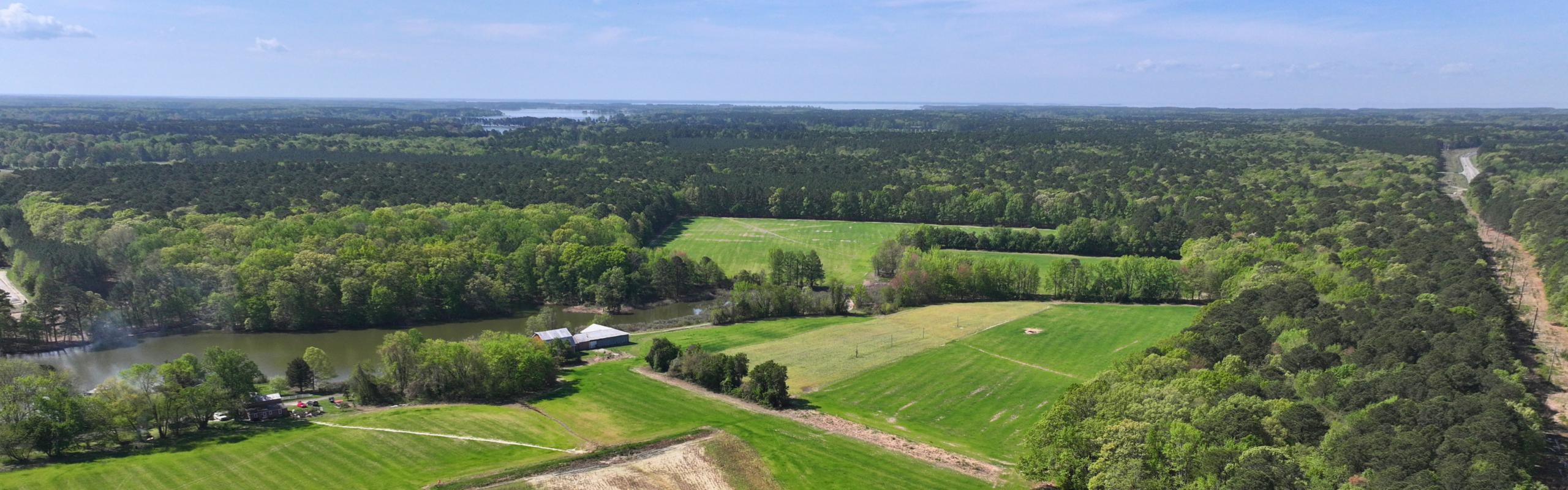
For almost four centuries Eastern Shore farms have played a defining role in Maryland’s economy and culture, while also conserving open spaces that support community health and benefit wildlife. Thanks to a new 70-acre ESLC conservation easement co-held by Maryland Environmental Trust (MET) and generously donated by the Macgill, Biggs, and Dailey families, the fields, forests, and shorelines of Swann Farm in Easton will continue to provide these benefits, and more, forever. As ESLC’s 342nd conservation easement, Swann Farm lifts ESLC’s total conservation in Talbot Countyto more than 13,951 acres. “We are so grateful for this donated easement,” commented ESLC President and CEO Steve Kline. “In areas of the Eastern Shore that are lacking in purchased easement opportunities, ESLC relies on donated easements to achieve our land conservation goals. Thanks to MET and the descendants of James McKenny Willis, Swann Farm will remain a quintessential Eastern Shore farm forever, offering bountiful farm fields, quiet woodlands, and clear creek water for generations to come.”
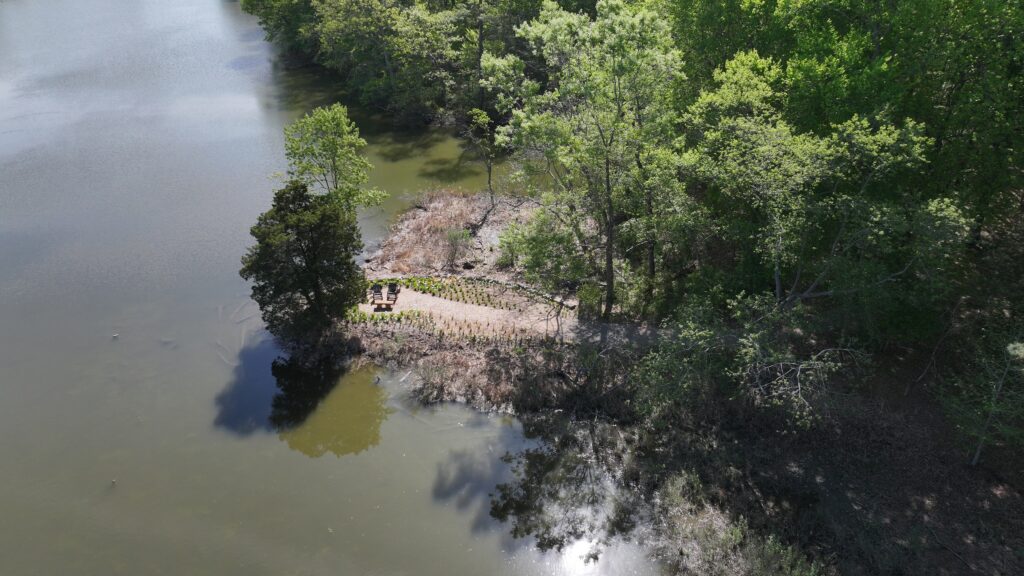
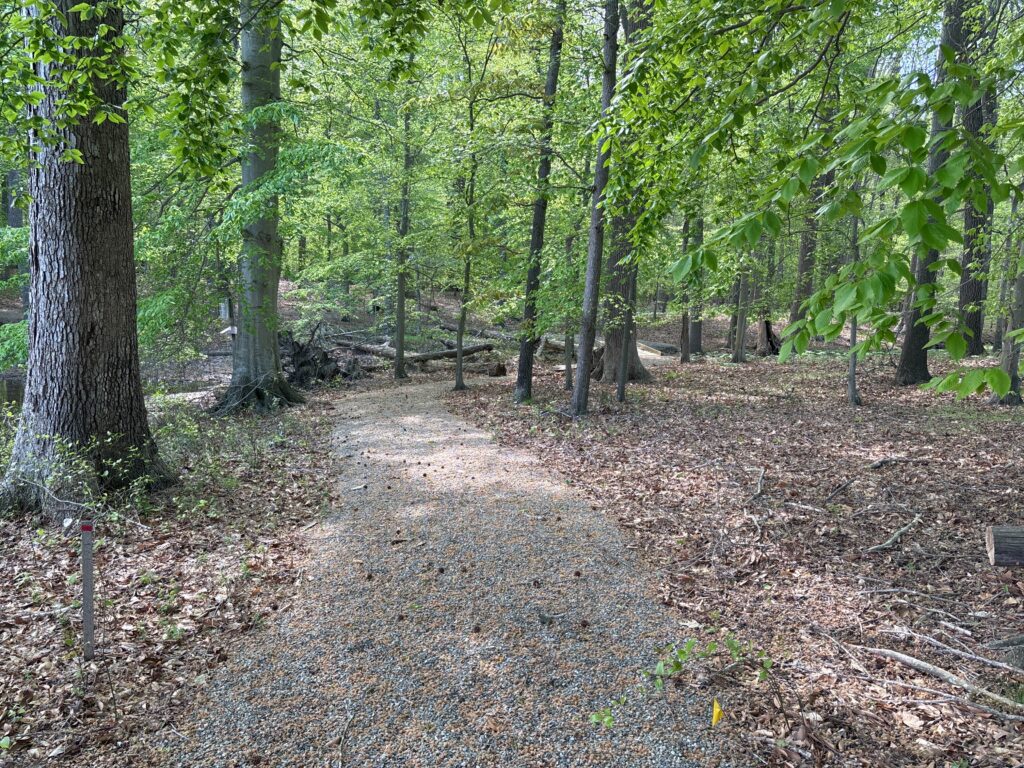
Swann Farm’s easement protects 49 acres of active agriculture and 17 acres of conserved woodlands which provide 100-foot-wide buffers between working fields and more than 2,280 feet of waterfront. Situated entirely within Chesapeake Bay Critical Area, these buffers will preserve scenic shorelines, maintain water quality, and protect plant, fish, and wildlife habitat for Shipshead Creek, a tributary of the Tred Avon River. Swann Farm’s forests also abut a larger forest habitat supporting forest interior dwelling bird species (FIDS), a declining species group in Maryland.
When asked what made his family interested in conserving the farm, Willis Macgill focused on legacy. 300 years of family farmers brought Macgill to this moment of preserving the land that his grandfather, James McKenny Willis, first bought and farmed in 1952. Macgill reflected, “The legacy, the beauty, of living in the big city and then crossing the bridge and coming down to the farm… to be able to give that privilege, family way of life, and appreciation to future generations–that’s how the legacy of Granddad continues on.” Macgill highlights how important it is to save space for future generations of conservationists to experience their own tangible “firsts” in the Eastern Shore’s great outdoors. “It’s always the first, right? Seeing your first eagle, your first turkey, shooting your first wood duck. What gives me as much pleasure as anything is friends’ kids catching their first fish, watching the birds come in at night. It’s a memory for life.”