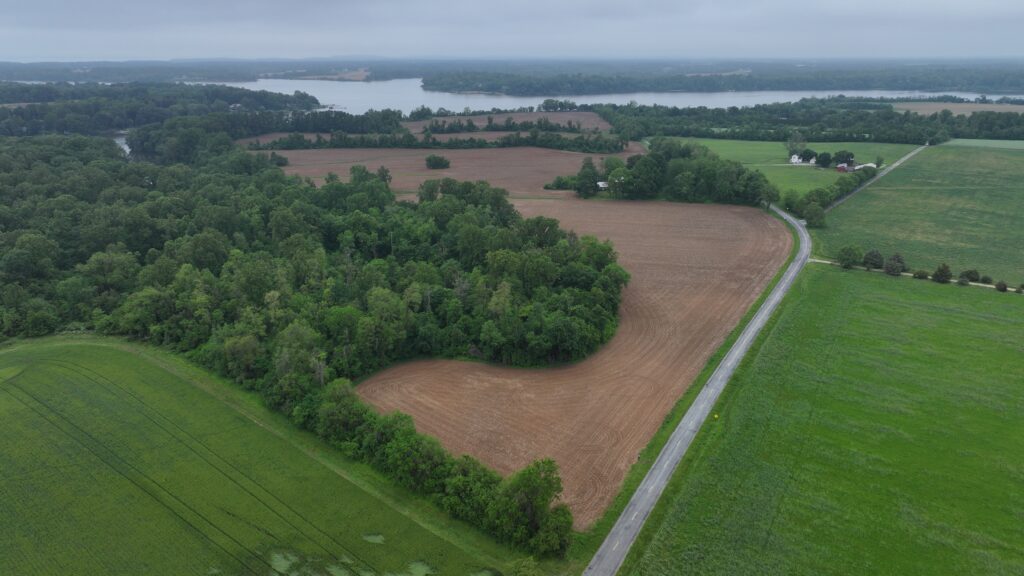
New ESLC easement completes 10,000-acre Kent County conservation corridor
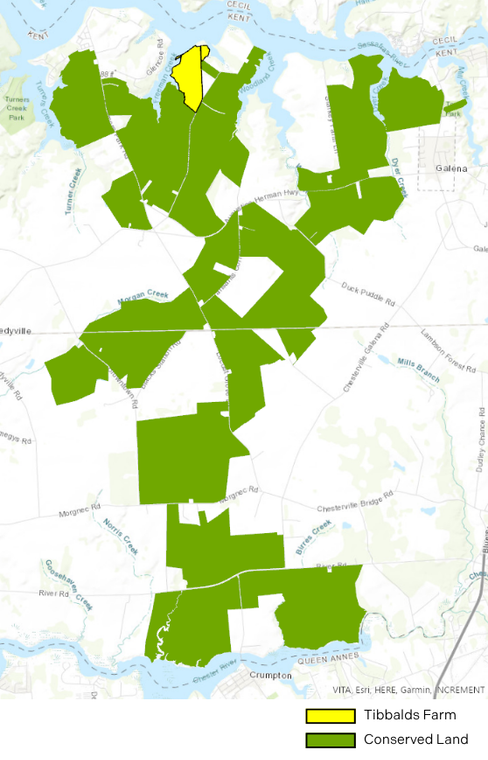 Stewarded by his family for three generations, William Troy Baisden II’s Tibbalds Farm is now protected by Eastern Shore Land Conservancy with a 164-acre conservation easement thanks to Maryland Department of Natural Resources’s Rural Legacy program (funded by Program Open Space) and the Army Compatible Use Buffer (ACUB) program. Located in Kent County on Shallcross Neck, the new easement joins a contiguous corridor of more than 10,000 acres of protected and connected land along with other properties protected by ESLC, the Maryland Environmental Trust (MET), and the Maryland Agricultural Land Preservation Foundation (MALPF).
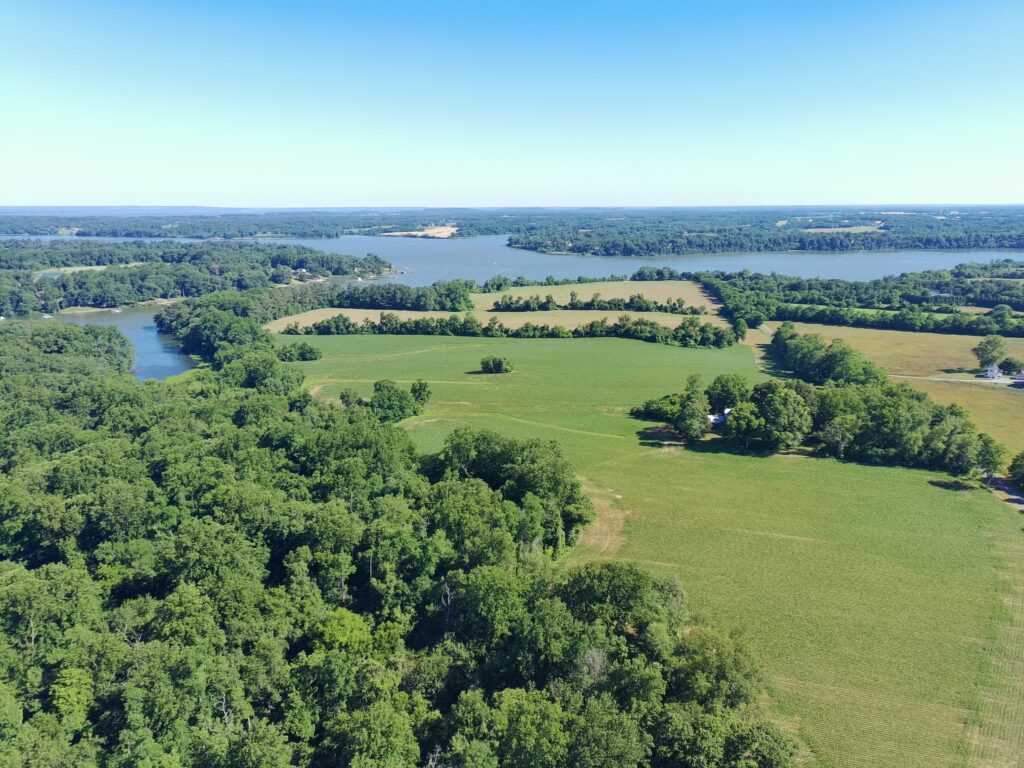
“Protecting a corridor of this size preserves a degree of conservation integrity essential to wildlife movement and biodiversity,” commented ESLC President & CEO Steve Kline. “Habitat fragmentation is an enormous threat to wildlife species of all kinds. In this part of Kent County, thanks to willing landowners and robust conservation funding, we’ve achieved conservation at a scale that will have truly meaningful impact. This is 10,000 acres of conserved habitat for wildlife, 10,000 acres of protection for aquifers and waterways, 10,000 acres where farmers may be kept in community, and 10,000 acres of preservation of what makes a place, a place.”
Baisden’s easement conserves 103 acres of prime farmland, considered “prime” not only for its optimal soil characteristics but also due to adequate water supply, low flood risk, and favorable growing conditions. 47 acres of conserved forest border the east and west, providing substantial habitat for Forest Interior Dwelling species of birds (FIDS) and helping to protect 5,500 linear feet of stream channels leading to Freeman Creek and the Sassafras River. The easement also protects four acres of wetlands, scenic shorelines, and a historic 18th-century Georgian farmhouse.
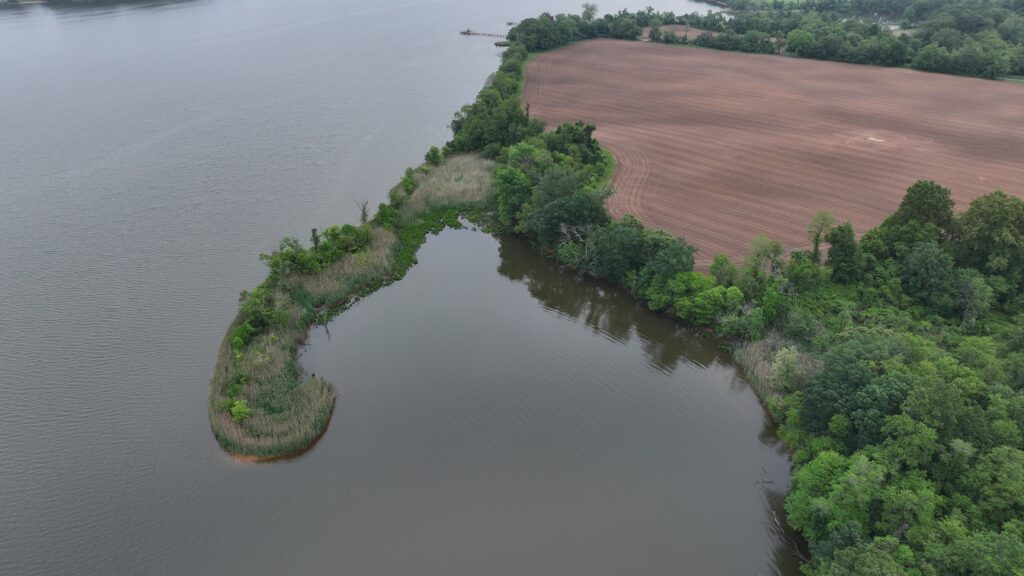
An avid sportsman, Baisden’s grandfather purchased the farm on Shallcross Neck in 1927, lured by the property’s waterfowl and waterfront. Baisden’s family has since spent generations enjoying the property’s rich nature and history from learning about the historic wharf used by Baltimore boats for farm commodities, to birdwatching herons, bald eagles, and osprey on the shoreline at sunset, to admiring towering tulip poplars almost four feet in diameter.
“It doesn’t make sense for me to look after the farm forever,” commented Baisden. “But a conservation easement is the best way for me to ensure what three generations of my family have cherished stays protected. I’m an environmental scientist and have had land with a conservation easement in New Zealand (where I split my time). Maryland’s system for land preservation, including the role of ESLC, sets a shining example of how to do land preservation really well. I love that I’ve been able to take part and tell the story.”