Eastern Shore Land Conservancy protects 350th conservation easement on Maryland’s Eastern Shore
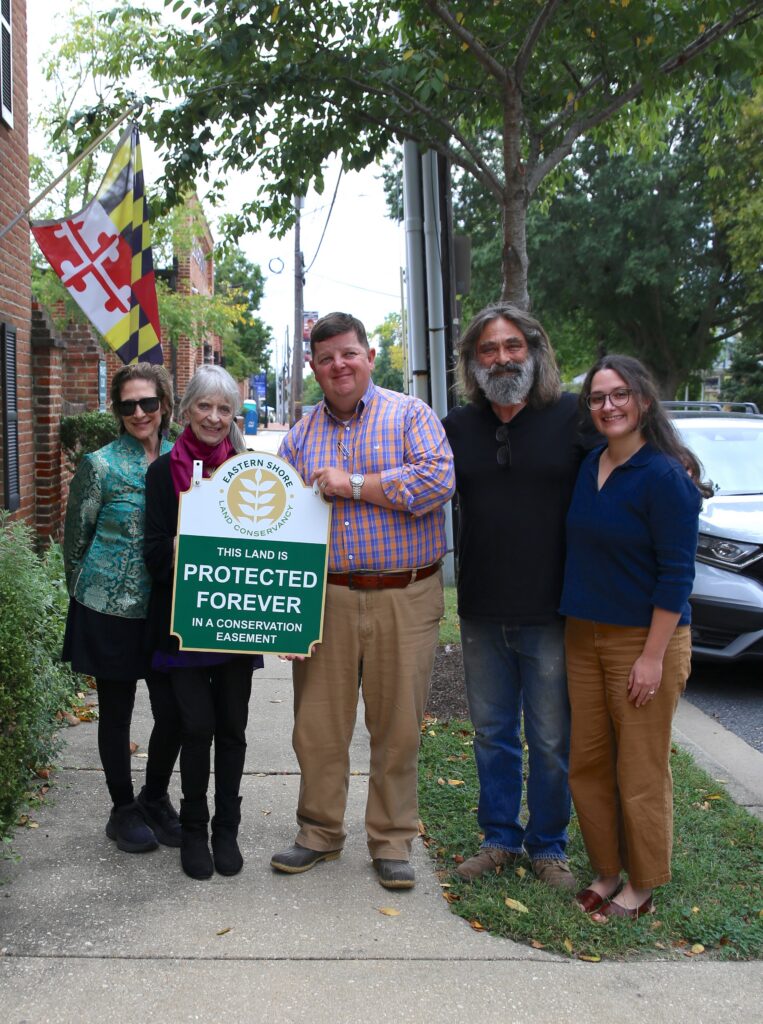
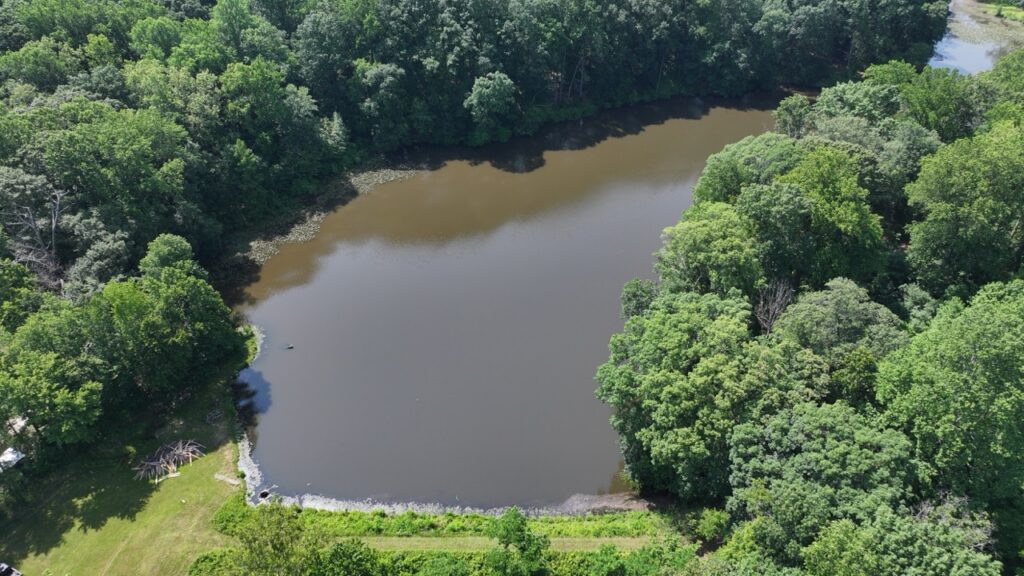
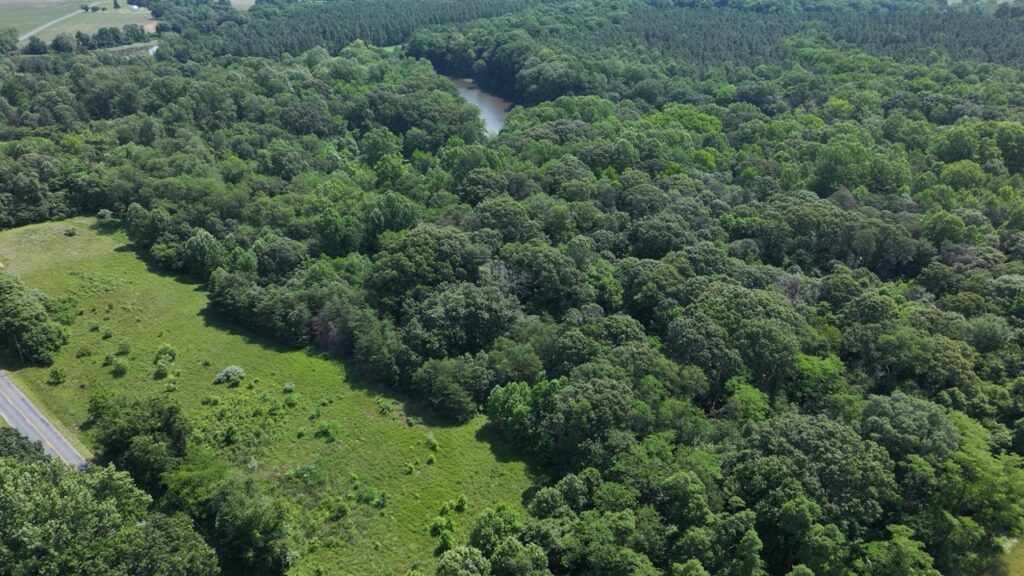
Eastern Shore Land Conservancy has permanently protected its 350th conservation easement; Leslie and Vincent M. Raimond’s 62-acre haven of forest, wetland, and grassland. “Our 350th easement functions as a critical keystone in a contiguous block of more than 1,200 protected acres in Kent County,” commented ESLC President & CEO Steve Kline. Home of historic Toad Hall, the property is primarily forest, providing extensive riparian habitat for wildlife (especially forest interior dwelling species of birds) and actively benefiting the water quality of Still Pond Creek. 100-foot forested buffer strips protect flooded beaver habitat, 2,200 linear feet of shoreline, a three-acre pond and seven acres of wetlands that support diverse plant and wildlife communities and perform critical ecological functions, including stormwater retention and nutrient cycling. More than 11 acres of the property are covered by grassland and shrubland, providing valuable open space for ground-nesting birds, turtles, rabbits, butterflies, numerous pollinator species, and, of course, toads.
A structural engineer, Vincent M. Raimond moved with his young family in 1954 from the Bronx to Chestertown, where (his family noted) “the Eastern Shore’s beauty and easy pace were a welcome change.” Soon after their arrival, the Raimonds purchased 62-acre Sandy Hill Farm, which at the time was a truck farm growing produce for local markets. Rather than continuing to work the depleted soil, the family planted trees, redefined meadows, and worked with neighbors to create a woodland park.
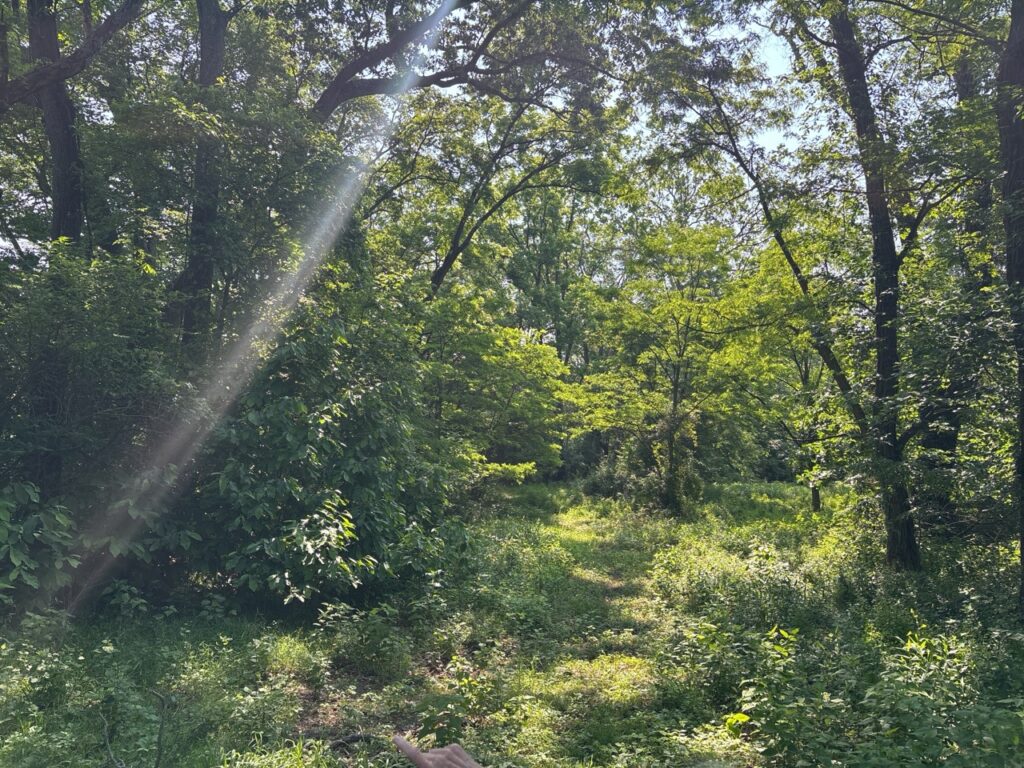
Original outdoor sculptures began to punctuate the property’s paths, and a collection of 18th century farmhouses was assembled into a sprawling manor house, Toad Hall, named after the fictional home of Mr. Toad in Kenneth Grahame’s 1908 novel The Wind in the Willows. “Vincent improved the land by letting it regenerate itself: the fields, waters, and woods were essentially left alone to heal naturally, welcoming many birds, fish, and creatures of all sorts,” reflected his wife Leslie. “Trails and meadows were cleared to facilitate walks and enjoyment of the place. We associated this story-book beauty with a favorite book from childhood, The Wind in the Willows.”
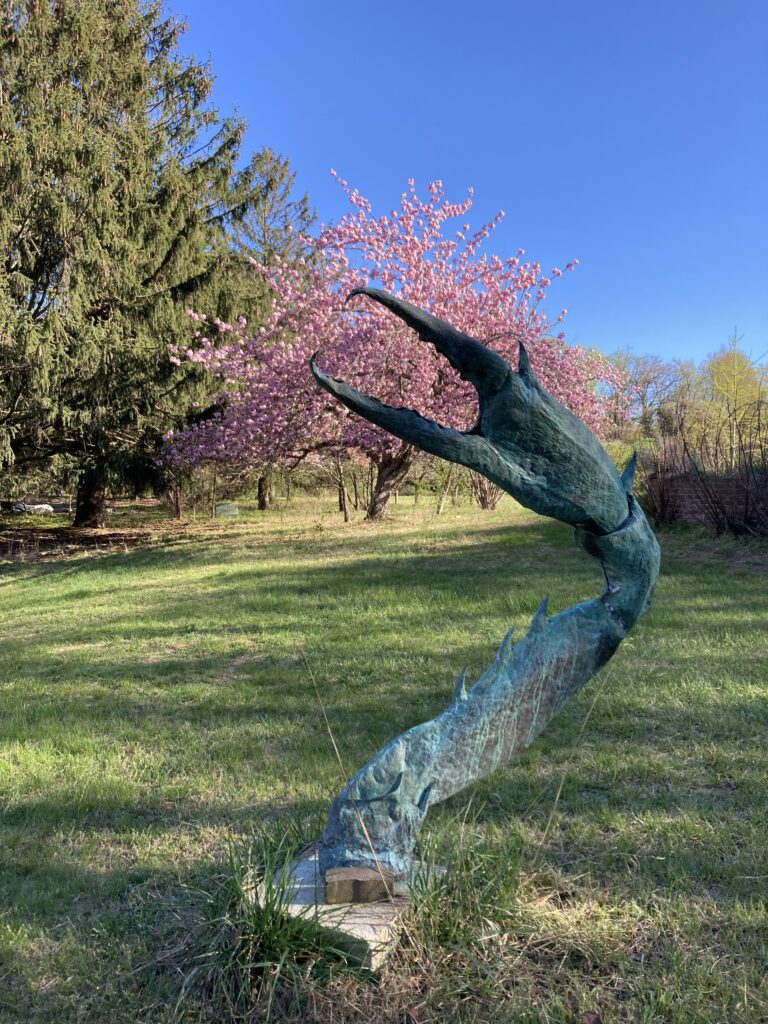
The property has since hosted jazz festivals, artists-in-residence, raku ceramic workshops, hunting parties, poetry readings, memorials, weddings, fundraisers, reunions, and community events. A blacksmithing forge, tennis court, reflecting pool, and smoke house were also slowly added to the property. The collection includes several artworks from family members, including a large copper crab claw sculpture titled “Feel the Pinch.”
The Raimond family is delighted to finally complete the conservation plans that Vincent first put forward in the 1990s. “Vincent’s emphasis on innovation and creativity has contributed to the present-day plans to continue supporting projects that celebrate arts, history, and the environment,” commented the Raimond family. “The beavers have resurged creating more clear water which has extended the home for wood ducks and all the other creatures who are in need. This is a place for basking in the beauty and health of nature that has been preserved.”