Third time’s the burn

ESLC and Tall Timbers host successful “learn and burn” in Chestertown
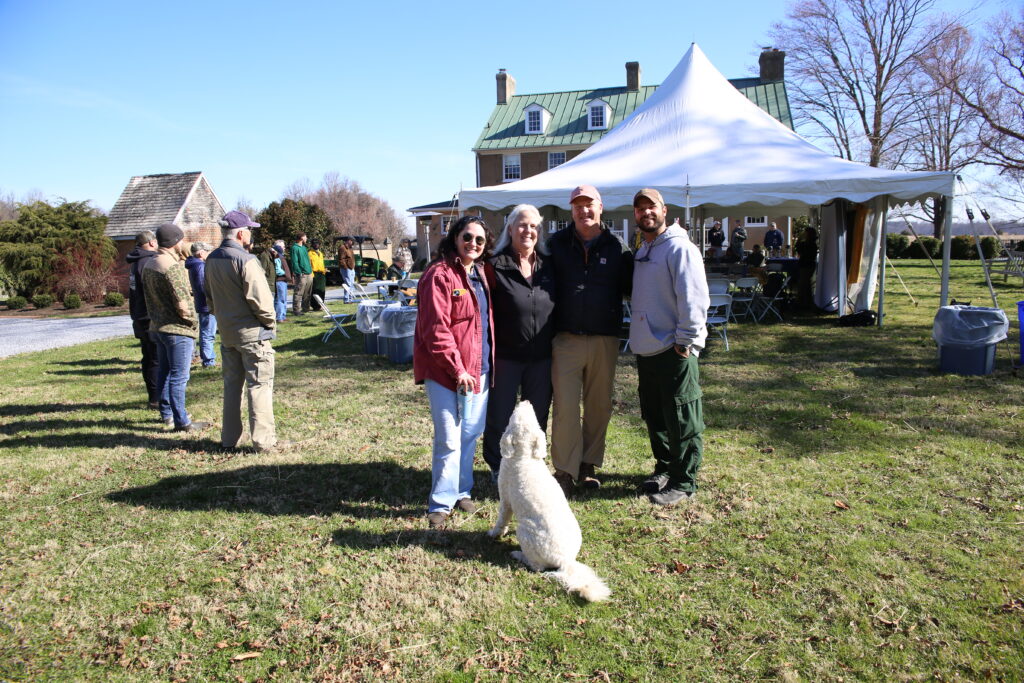
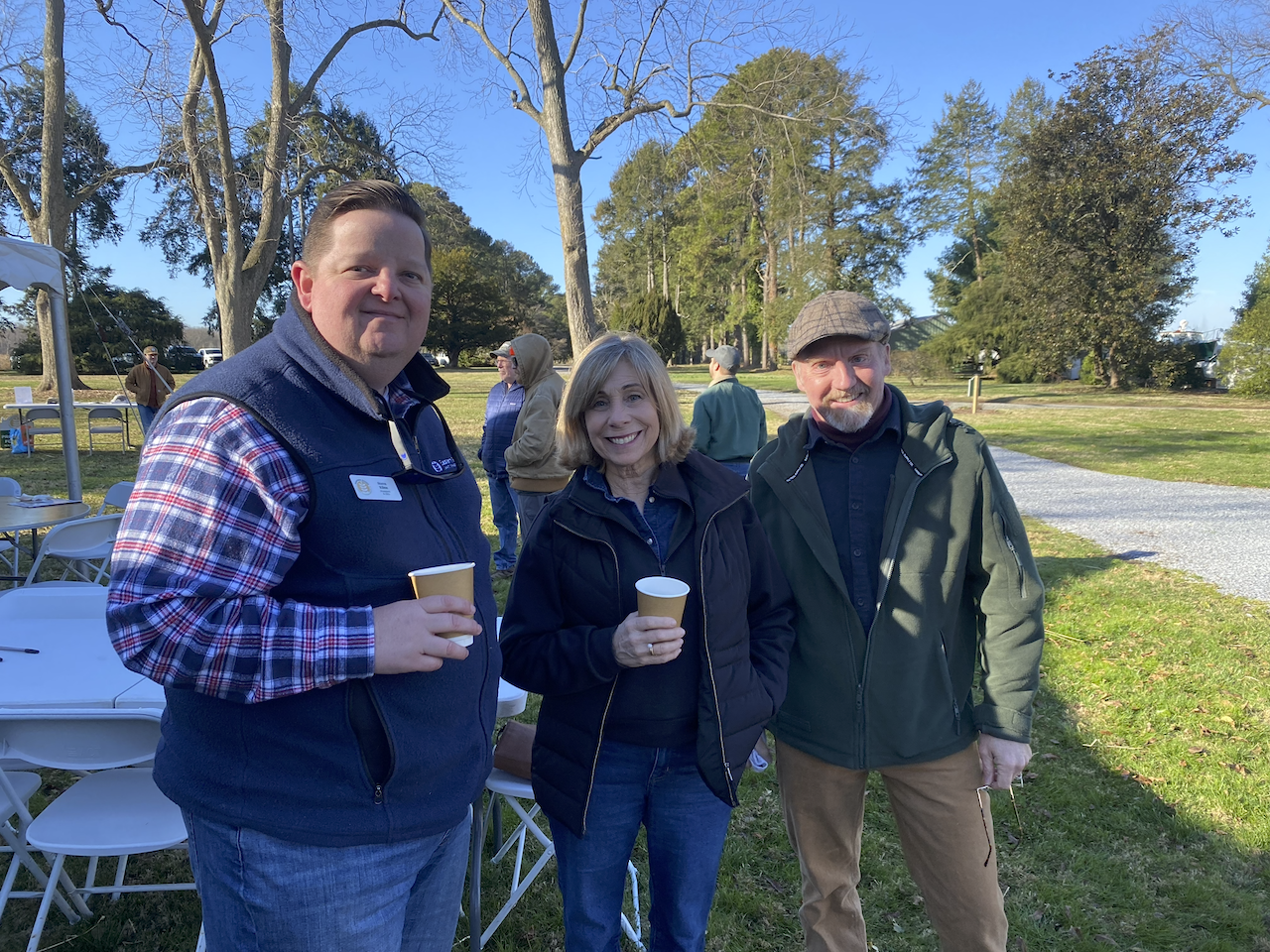
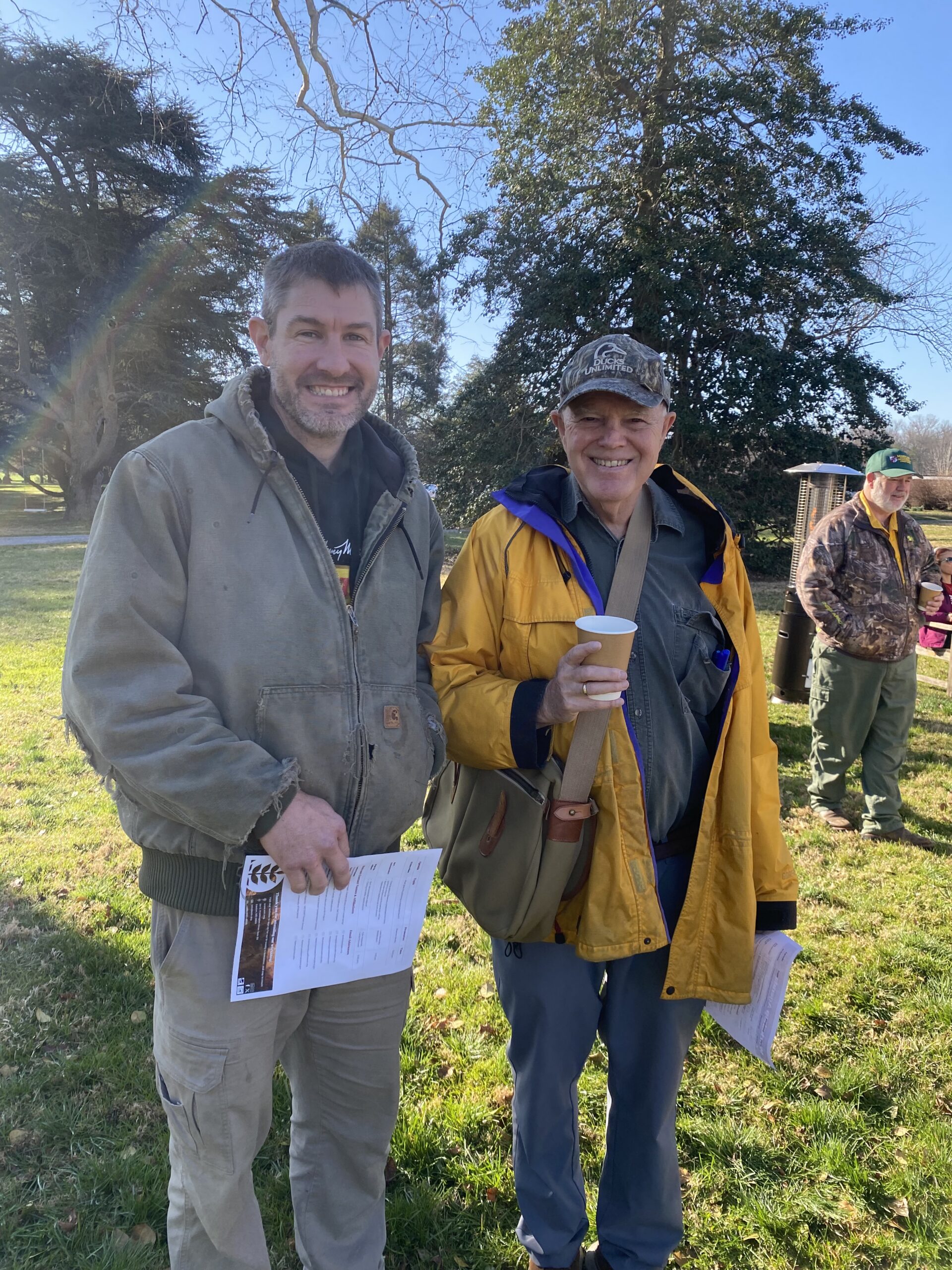
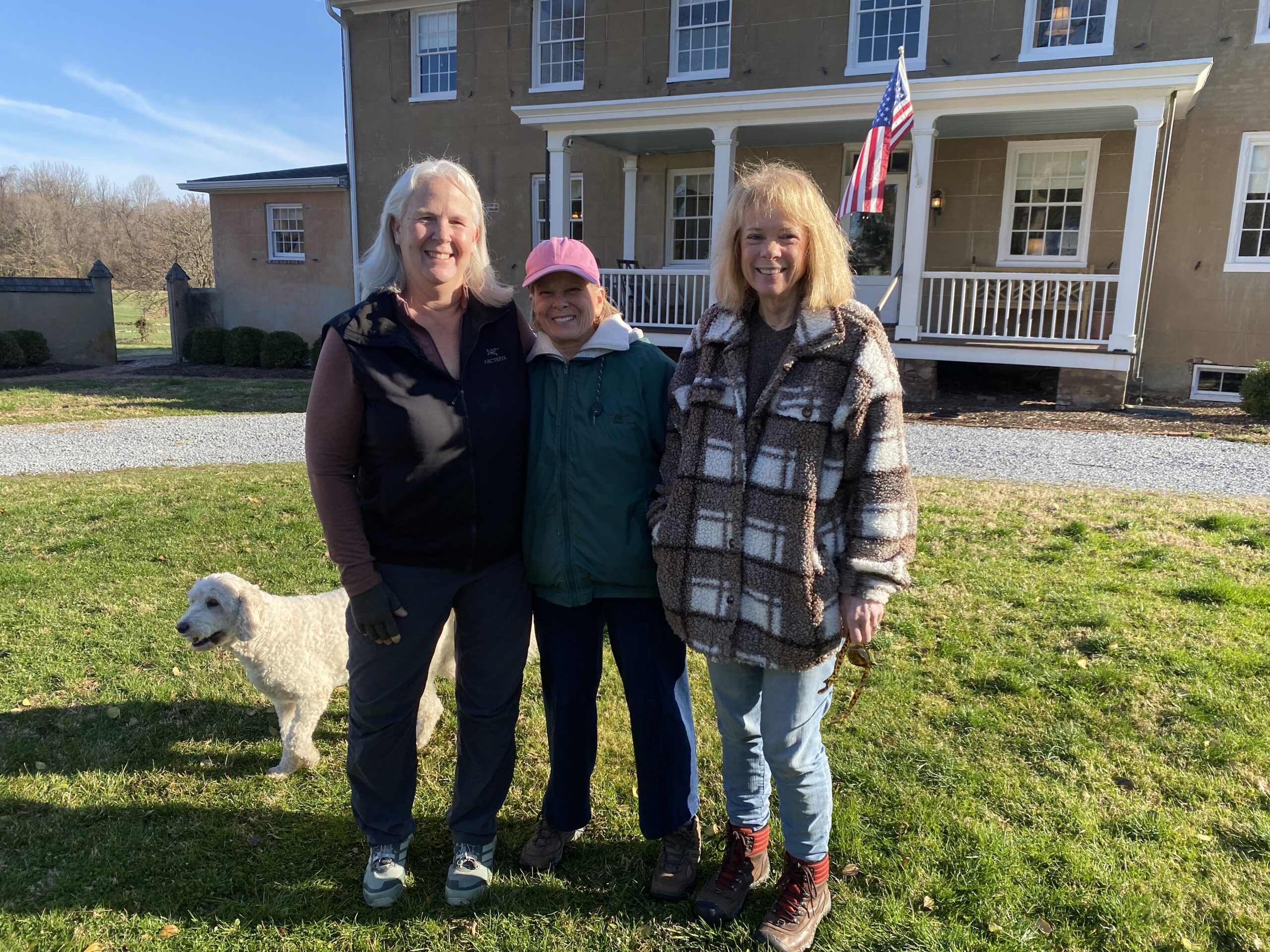
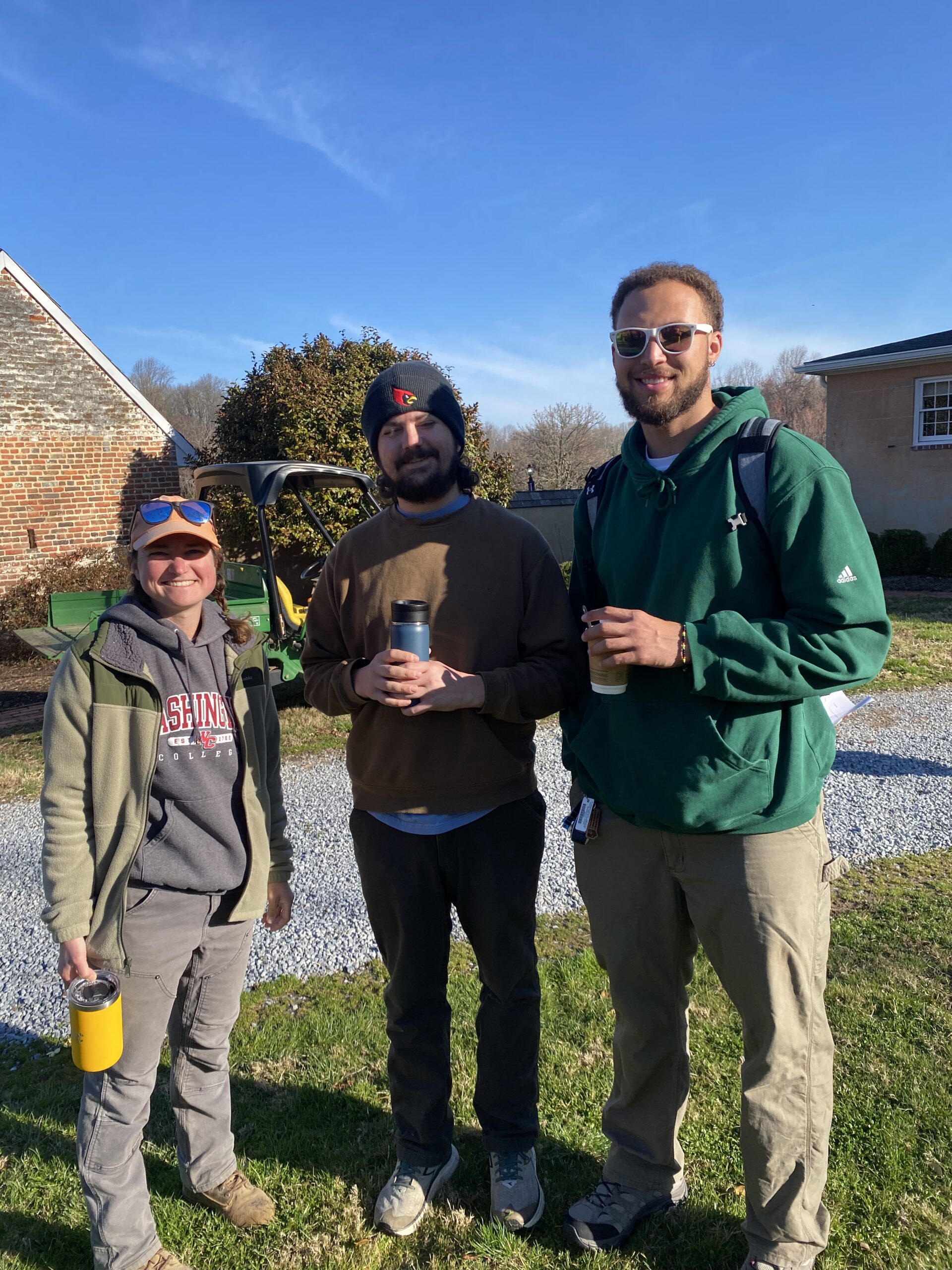
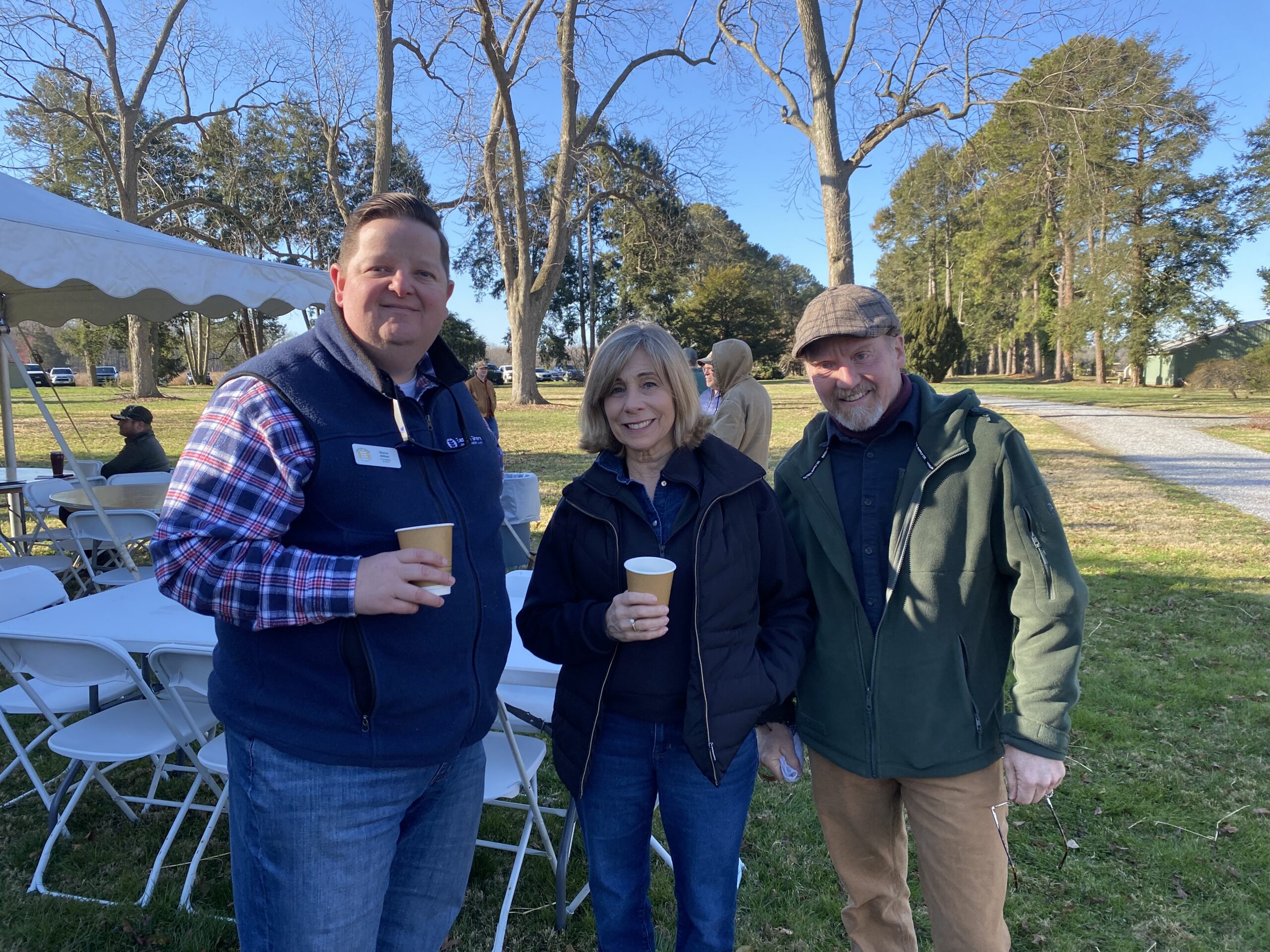
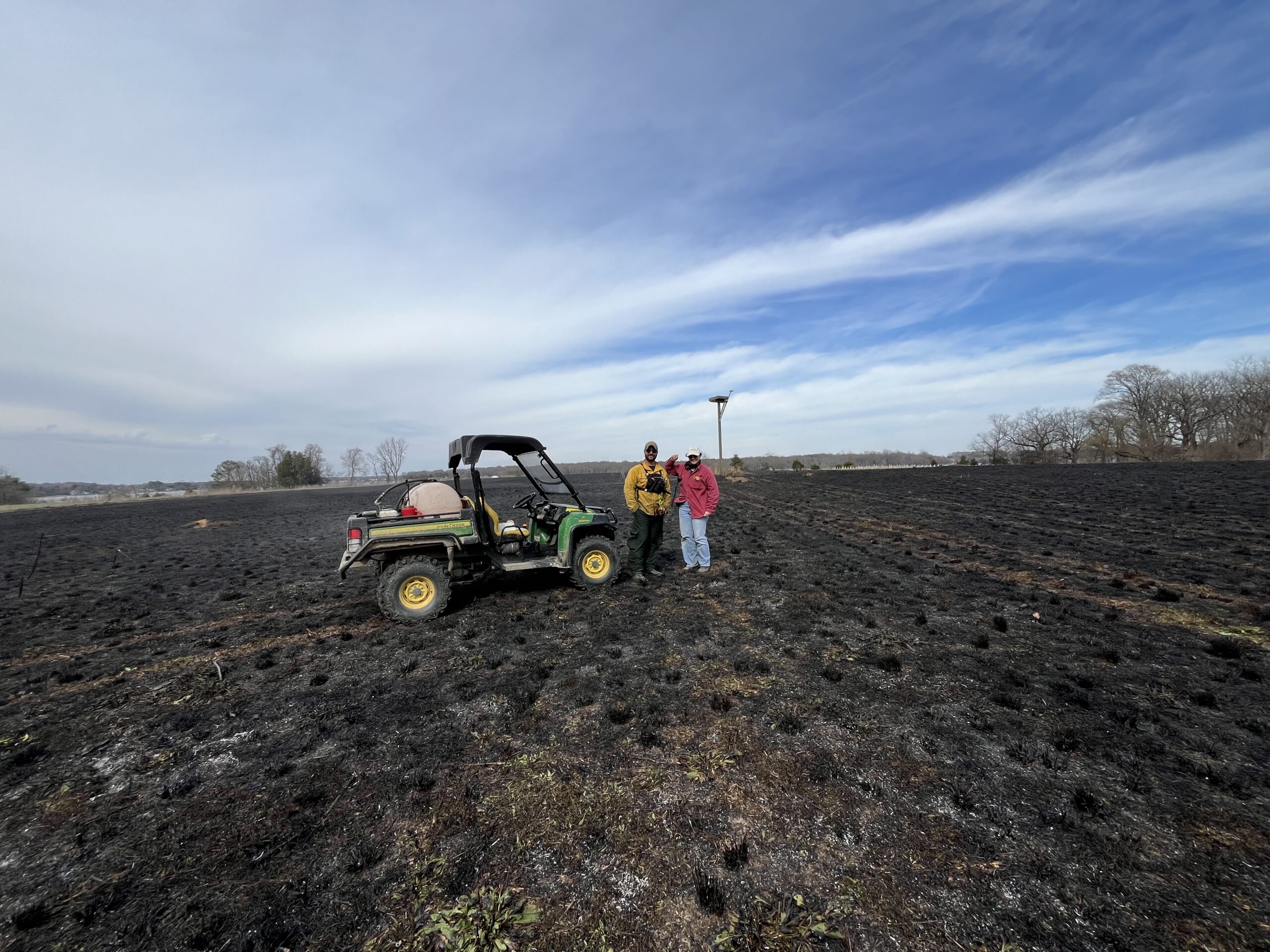
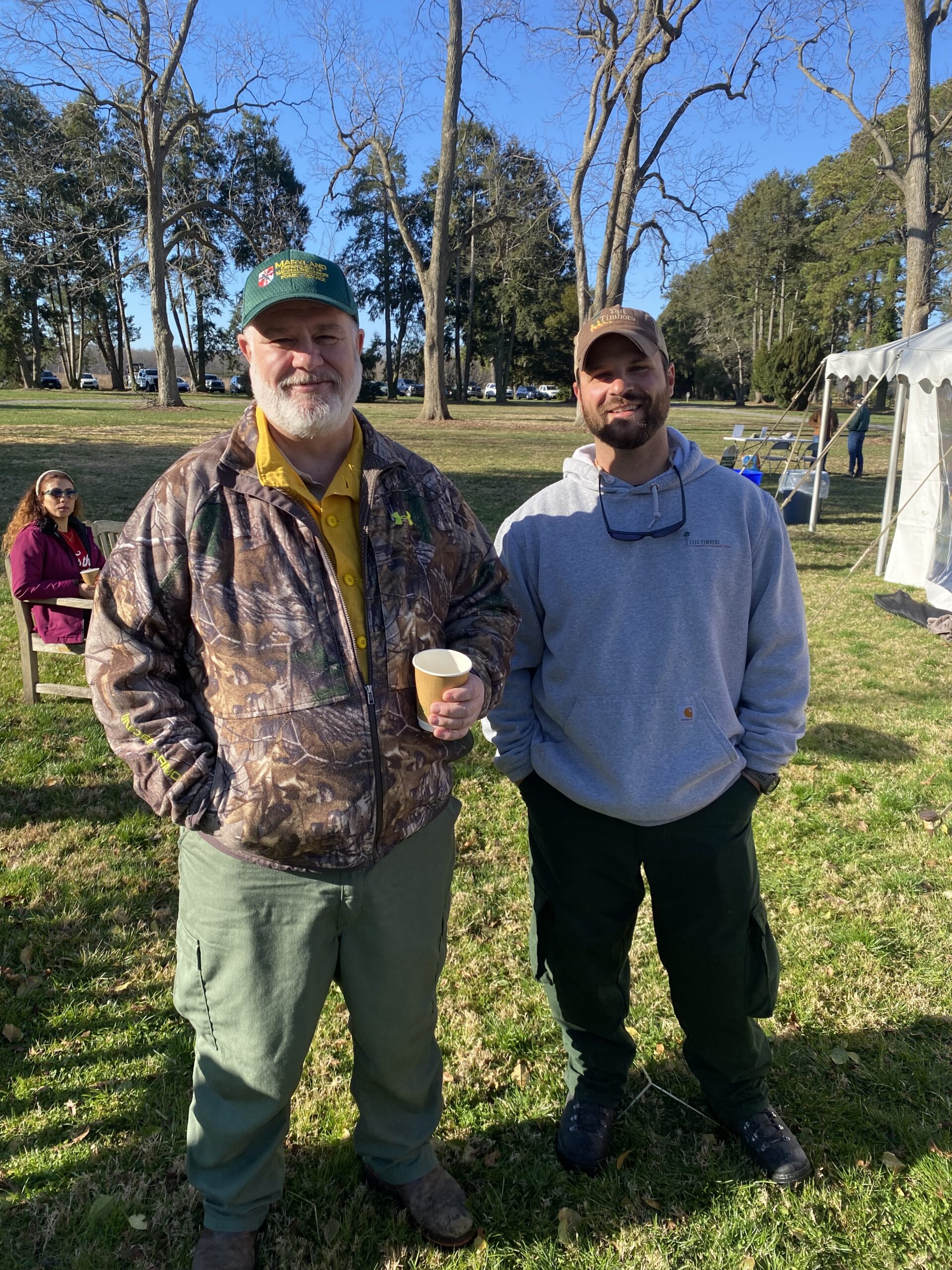
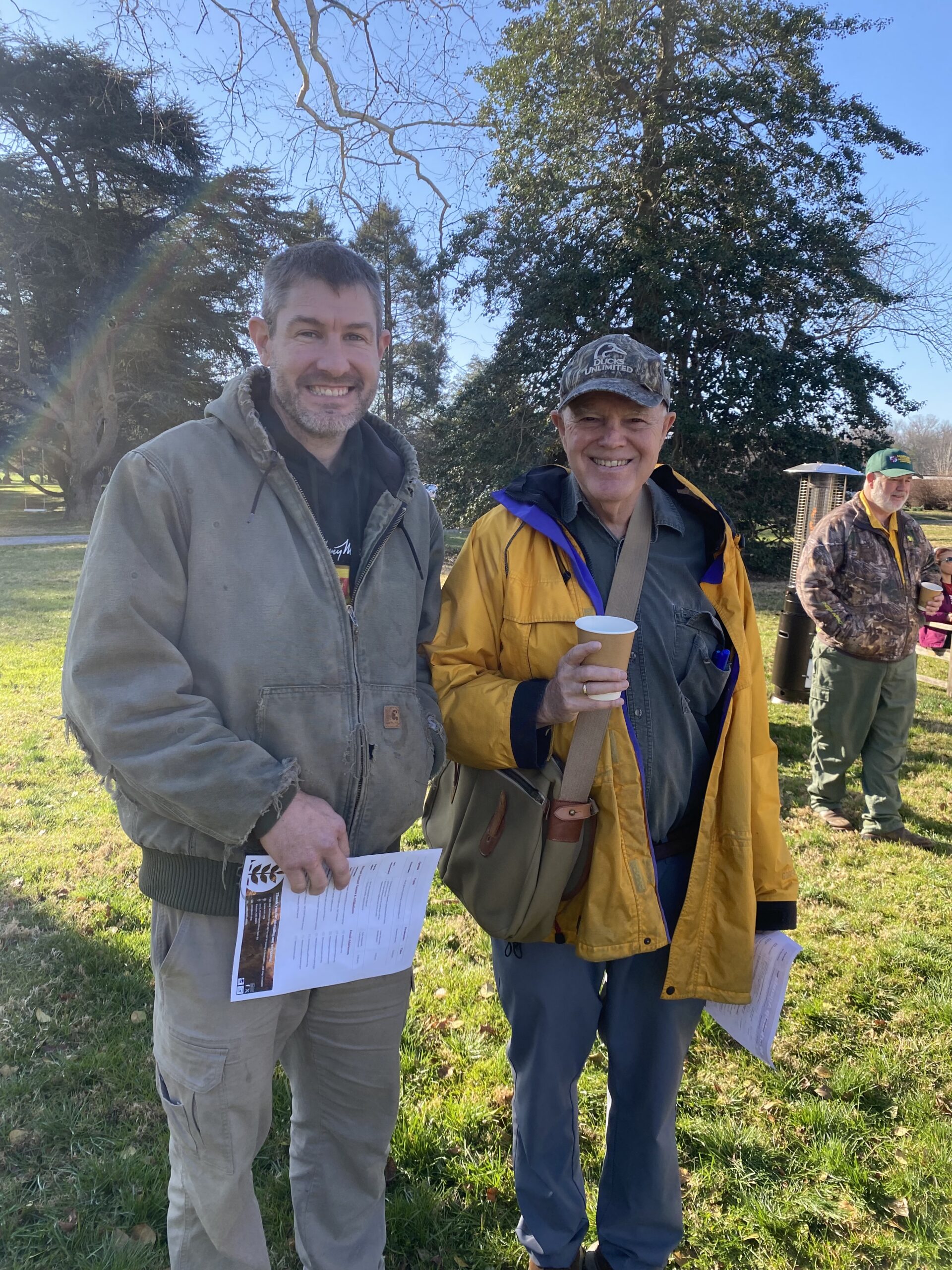
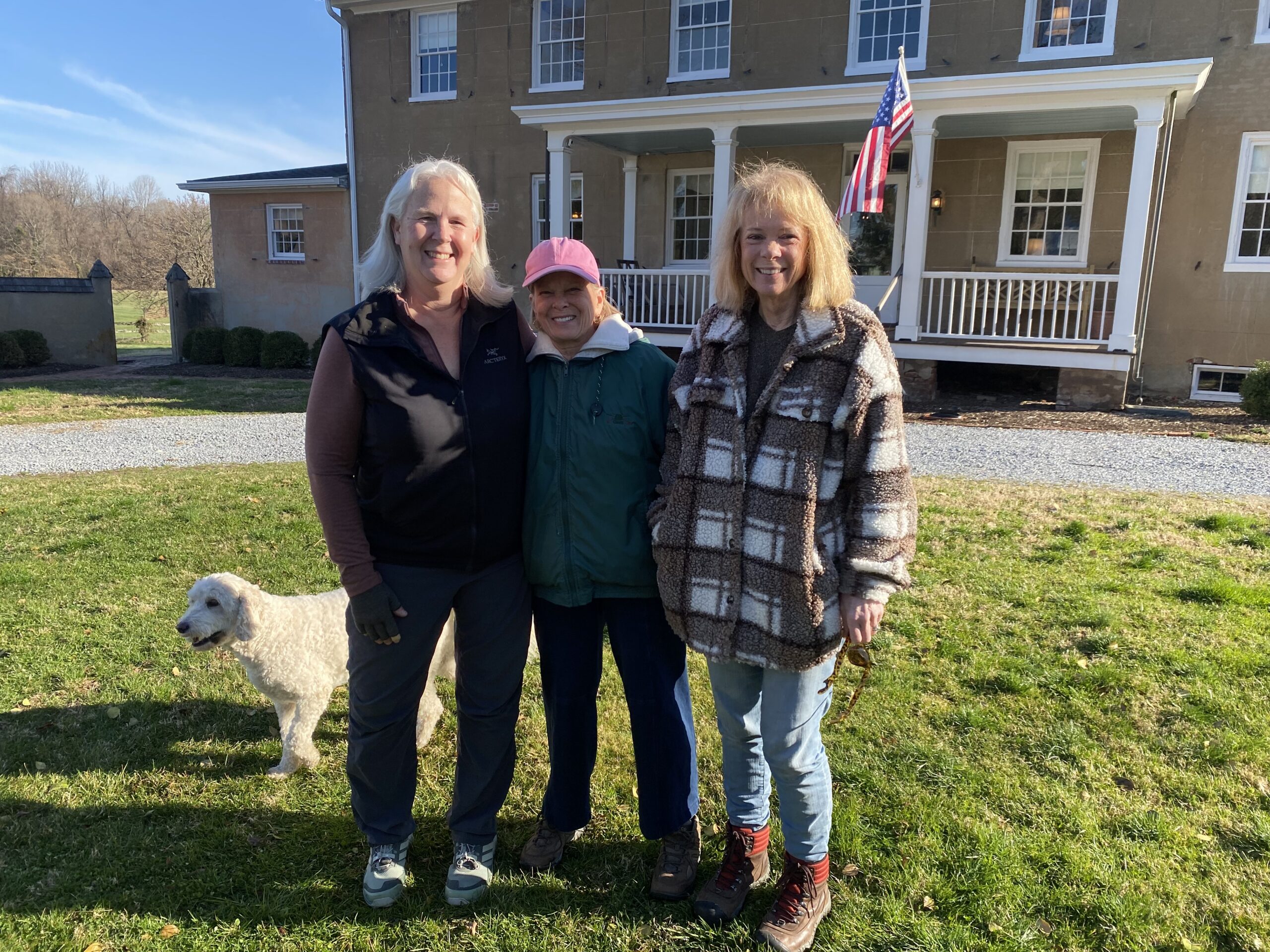
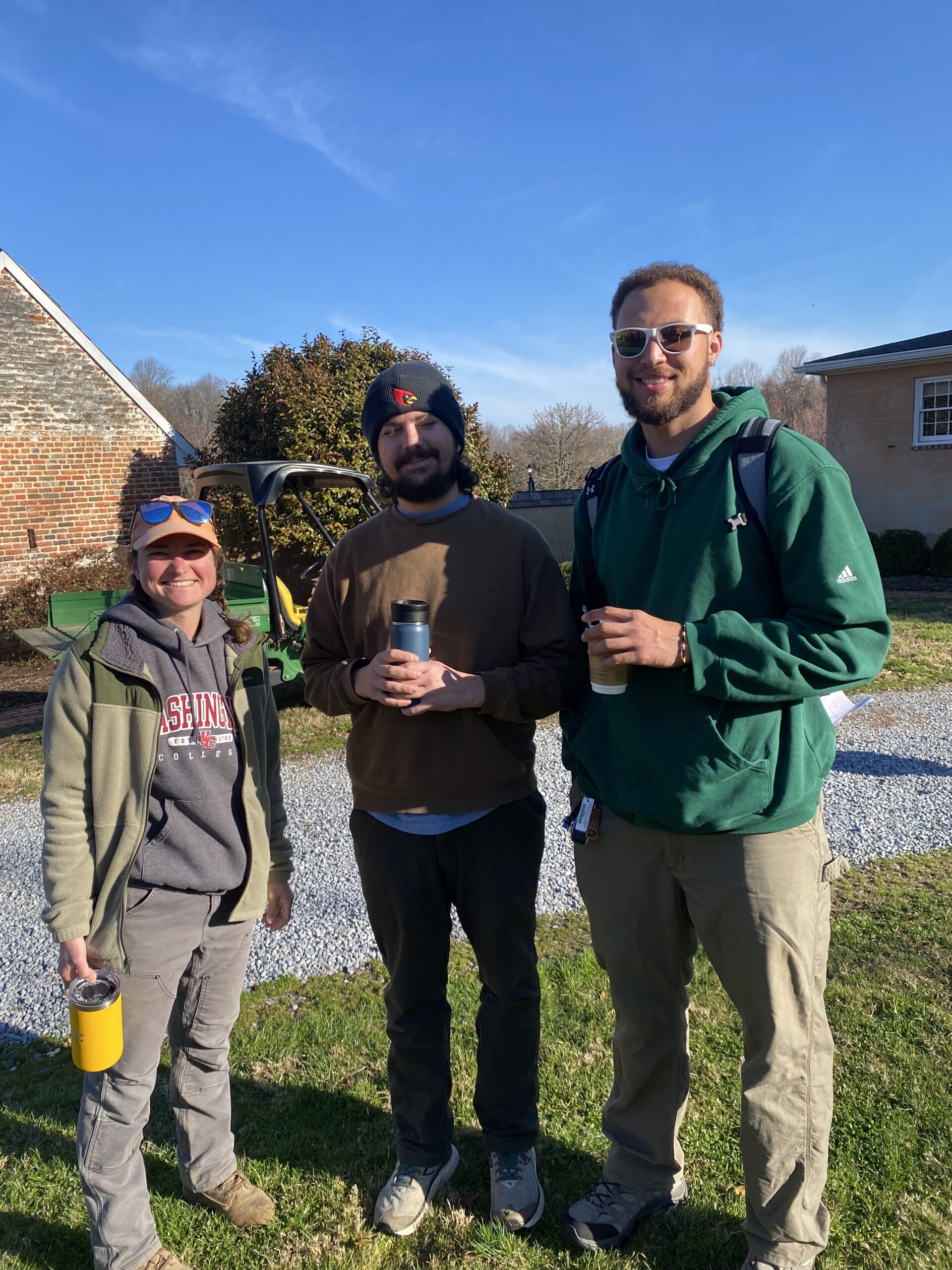
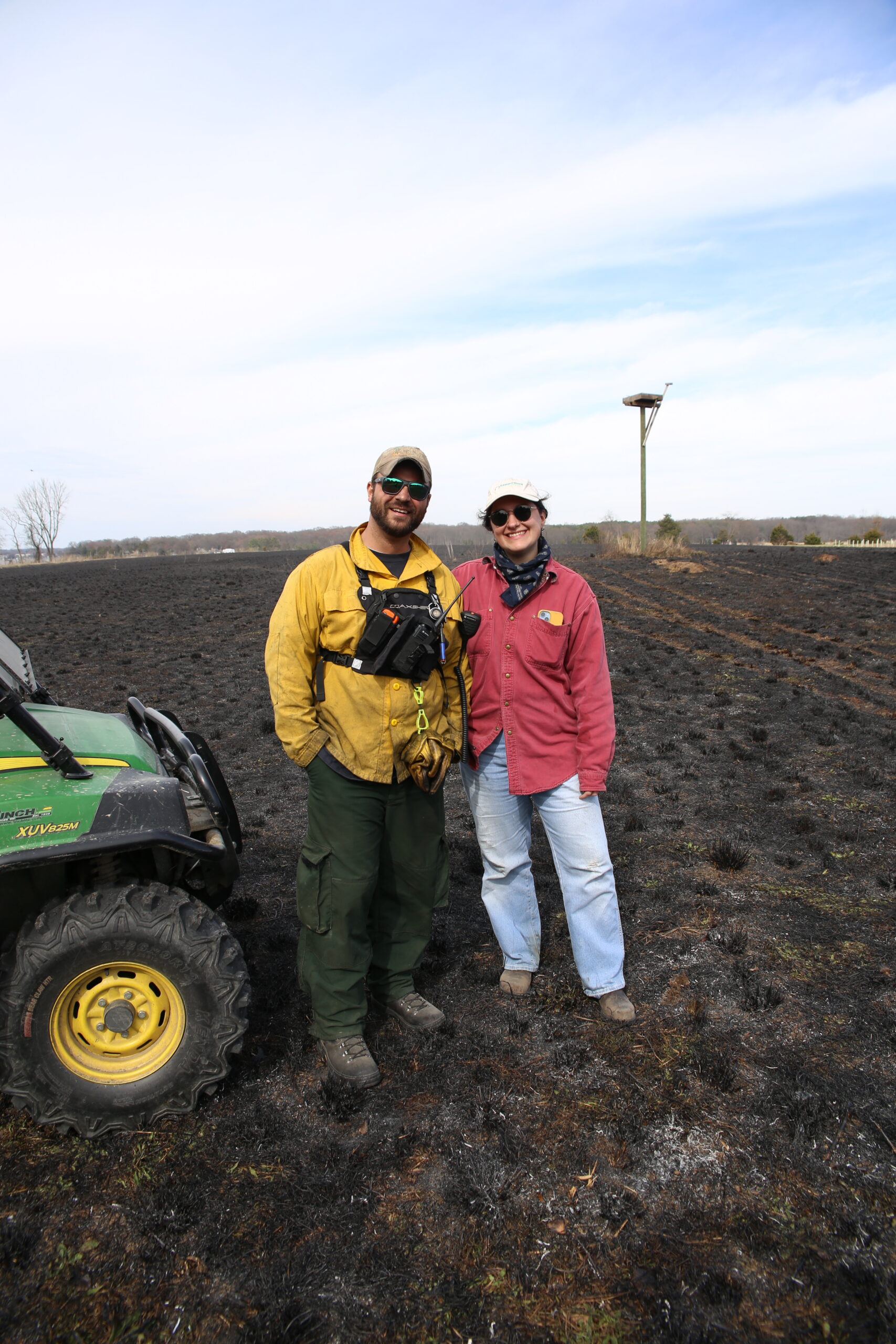
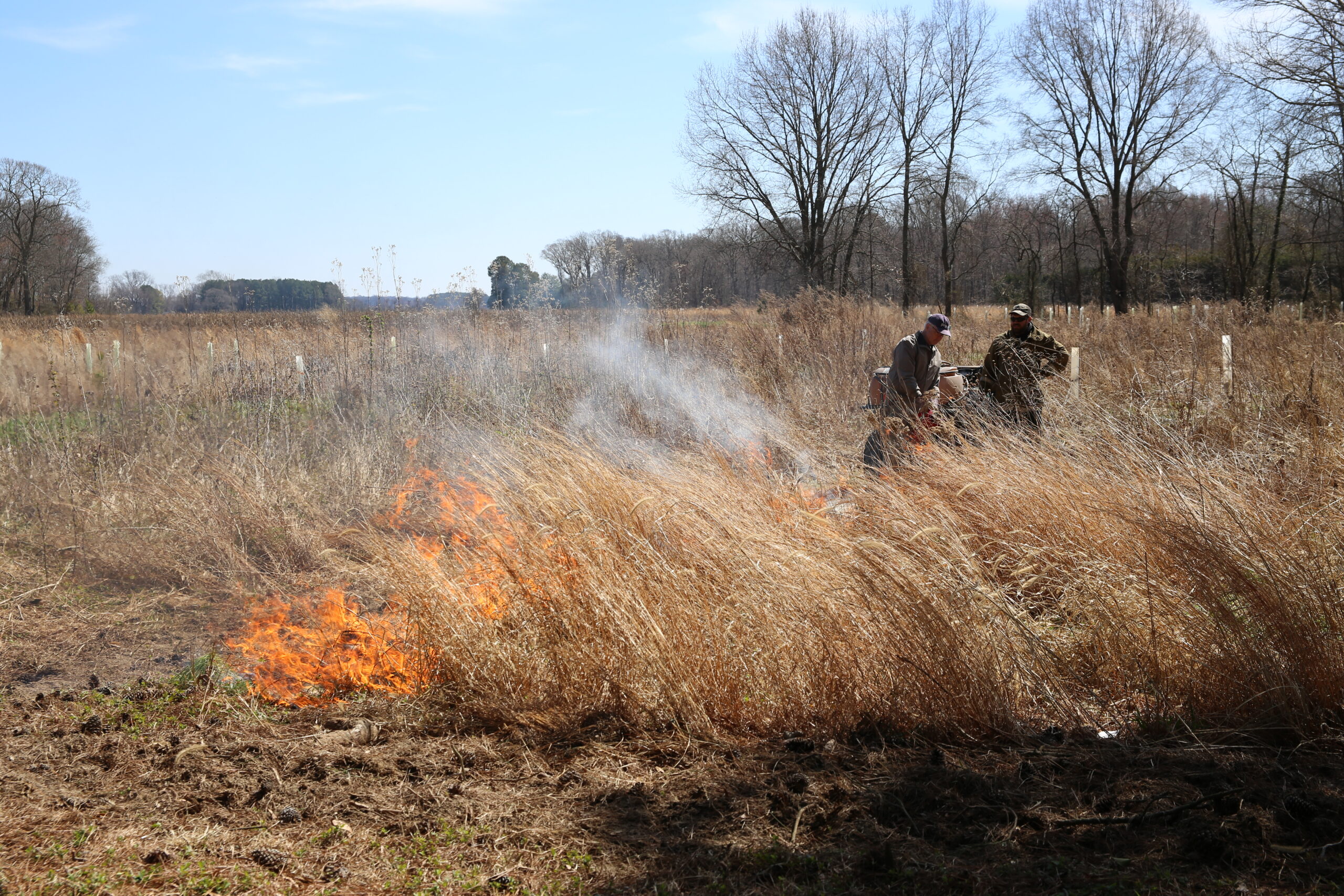
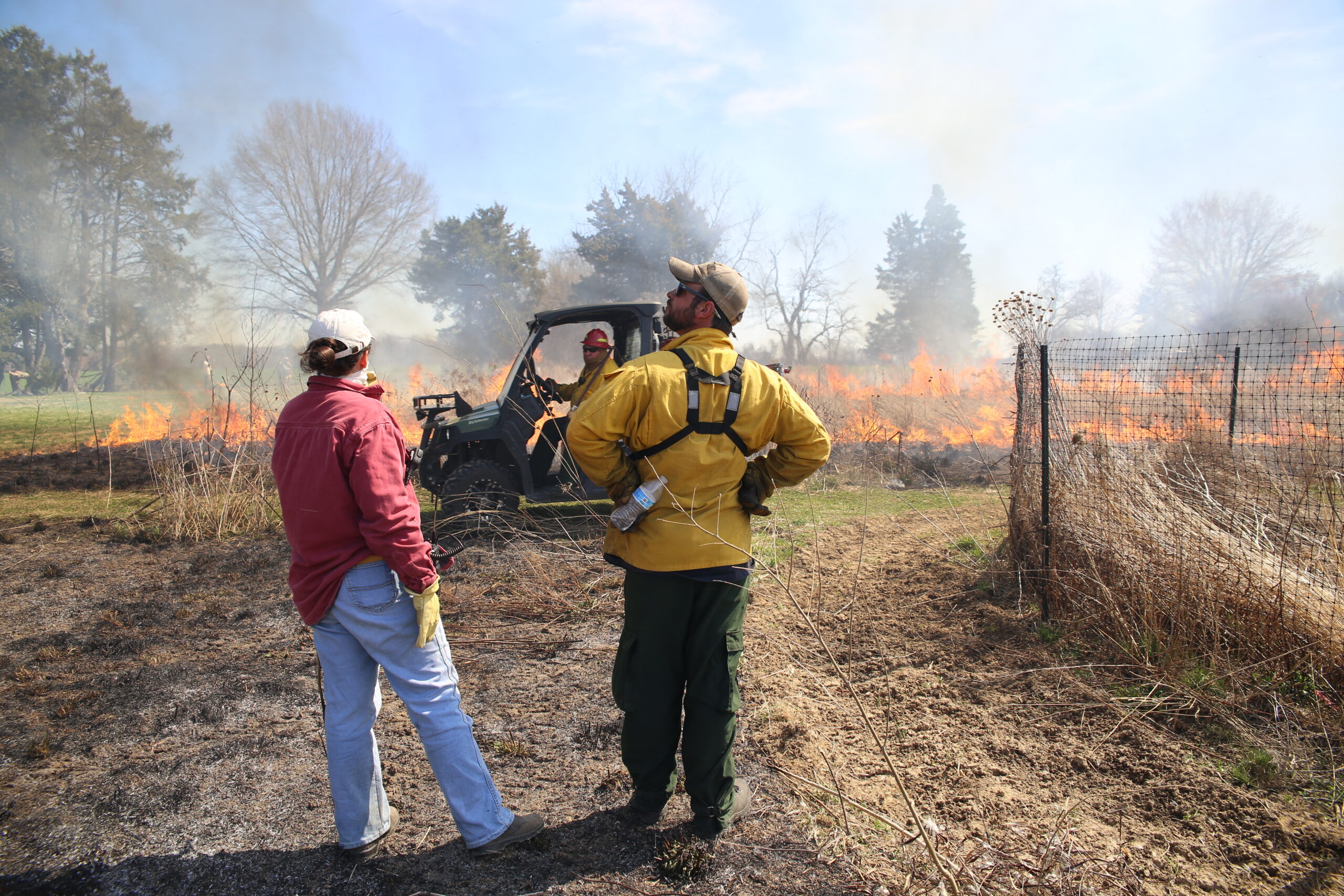
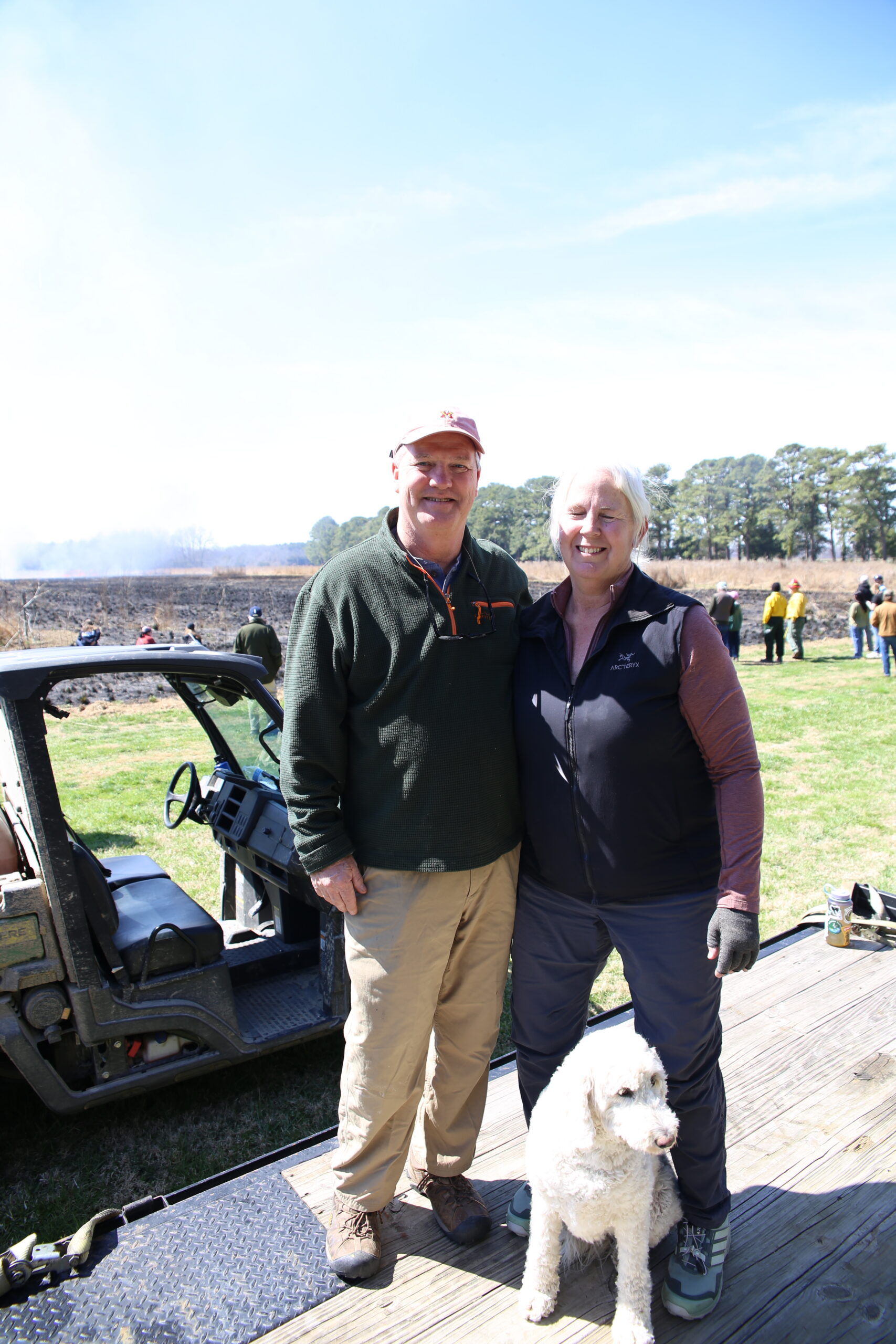
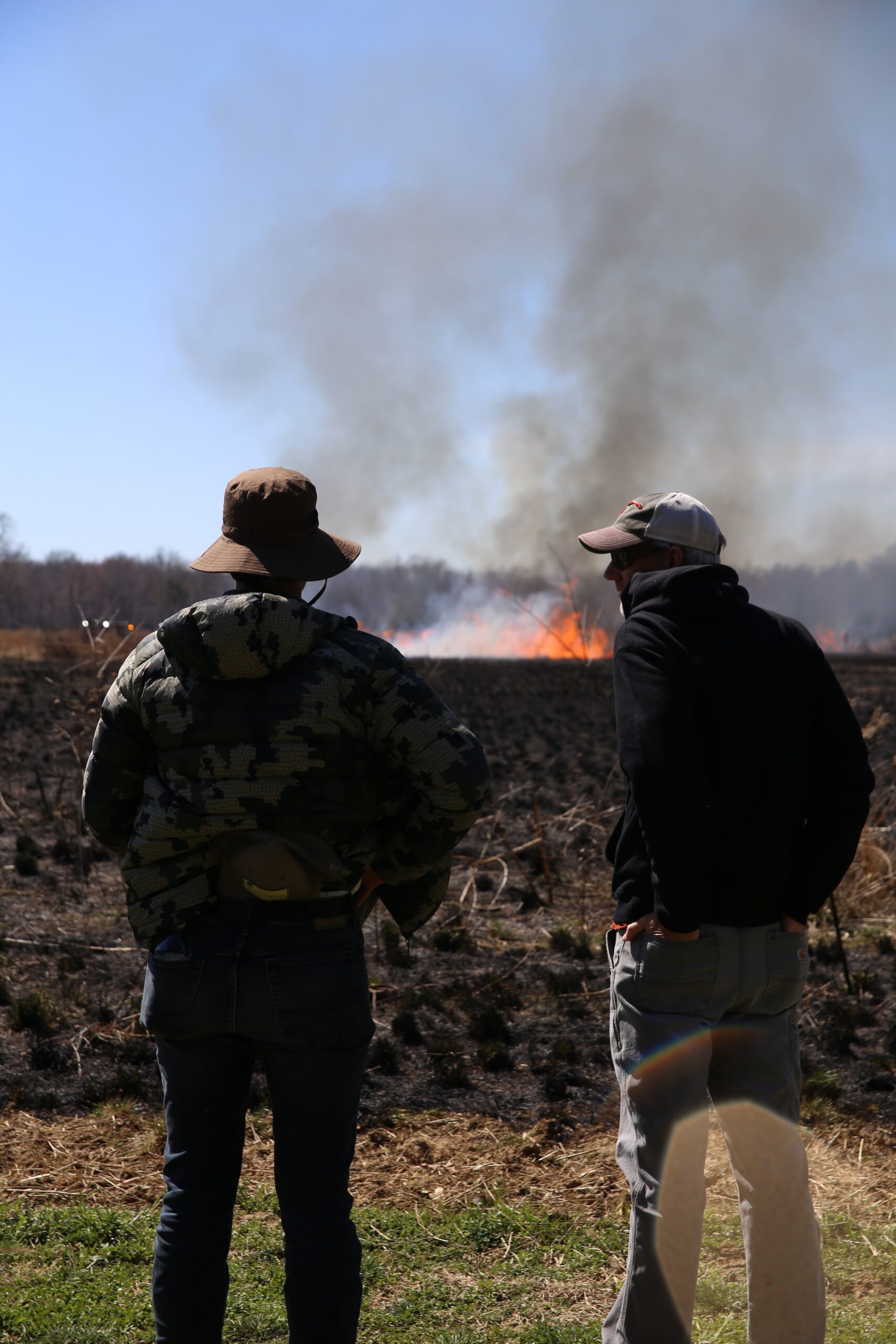
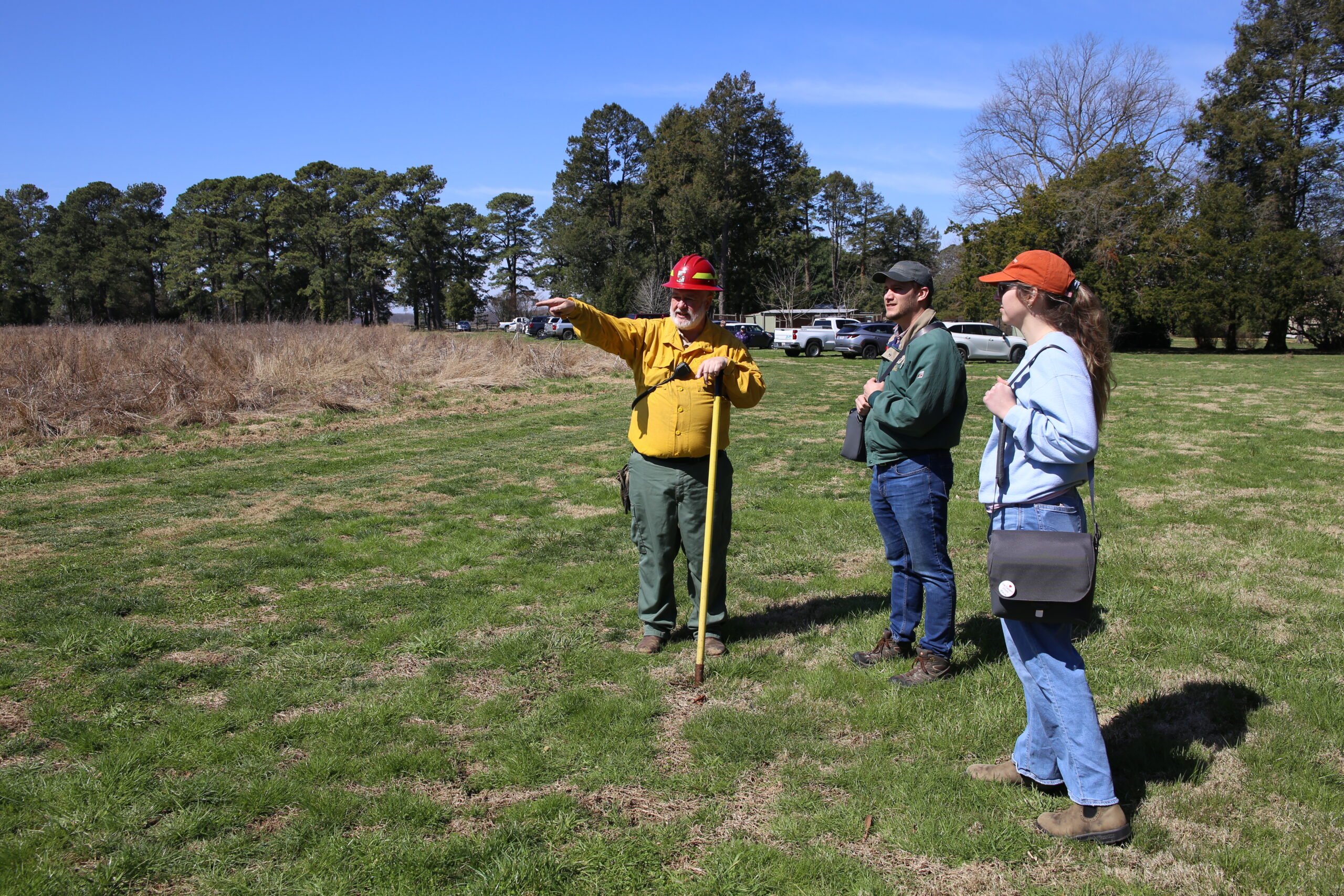
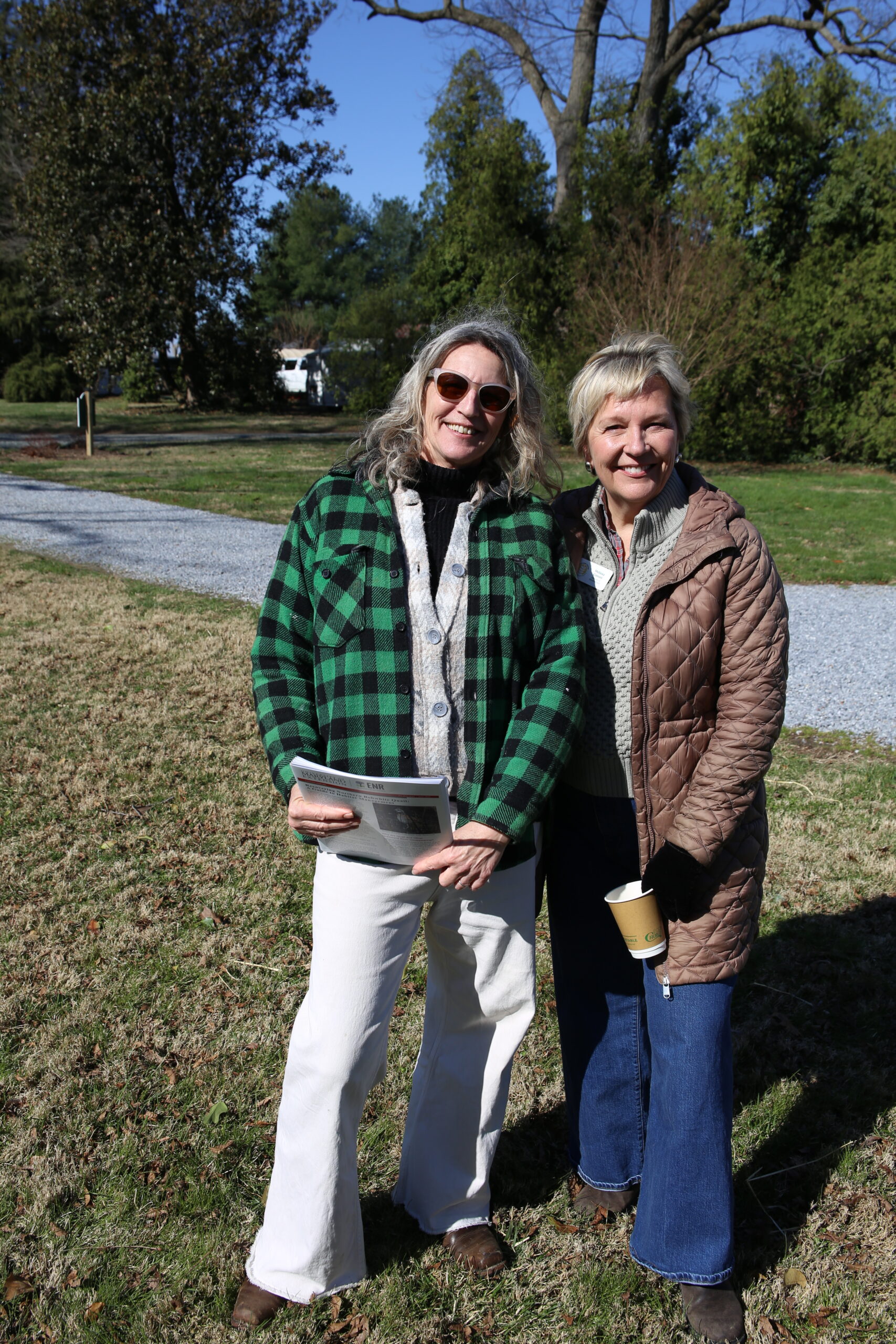
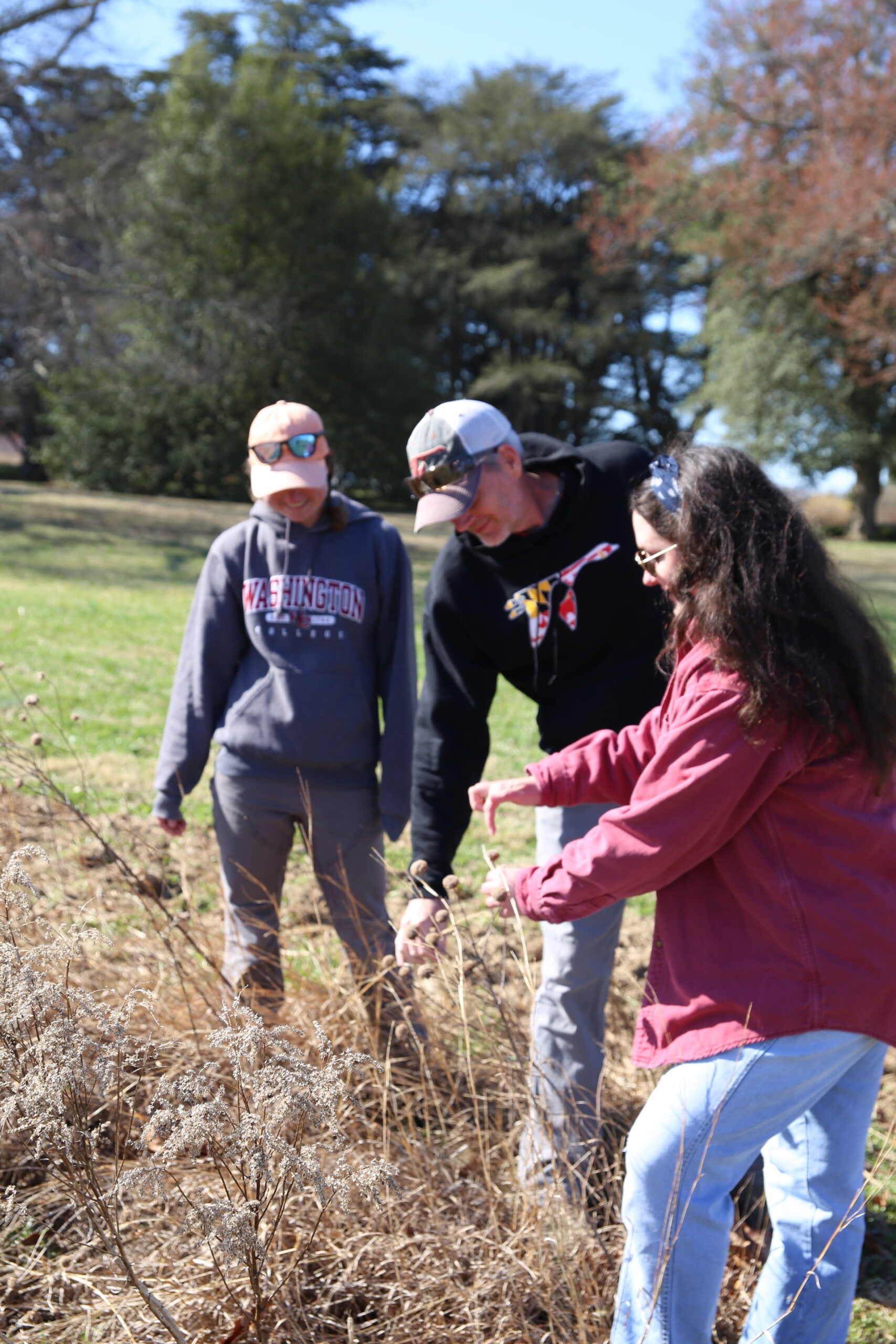
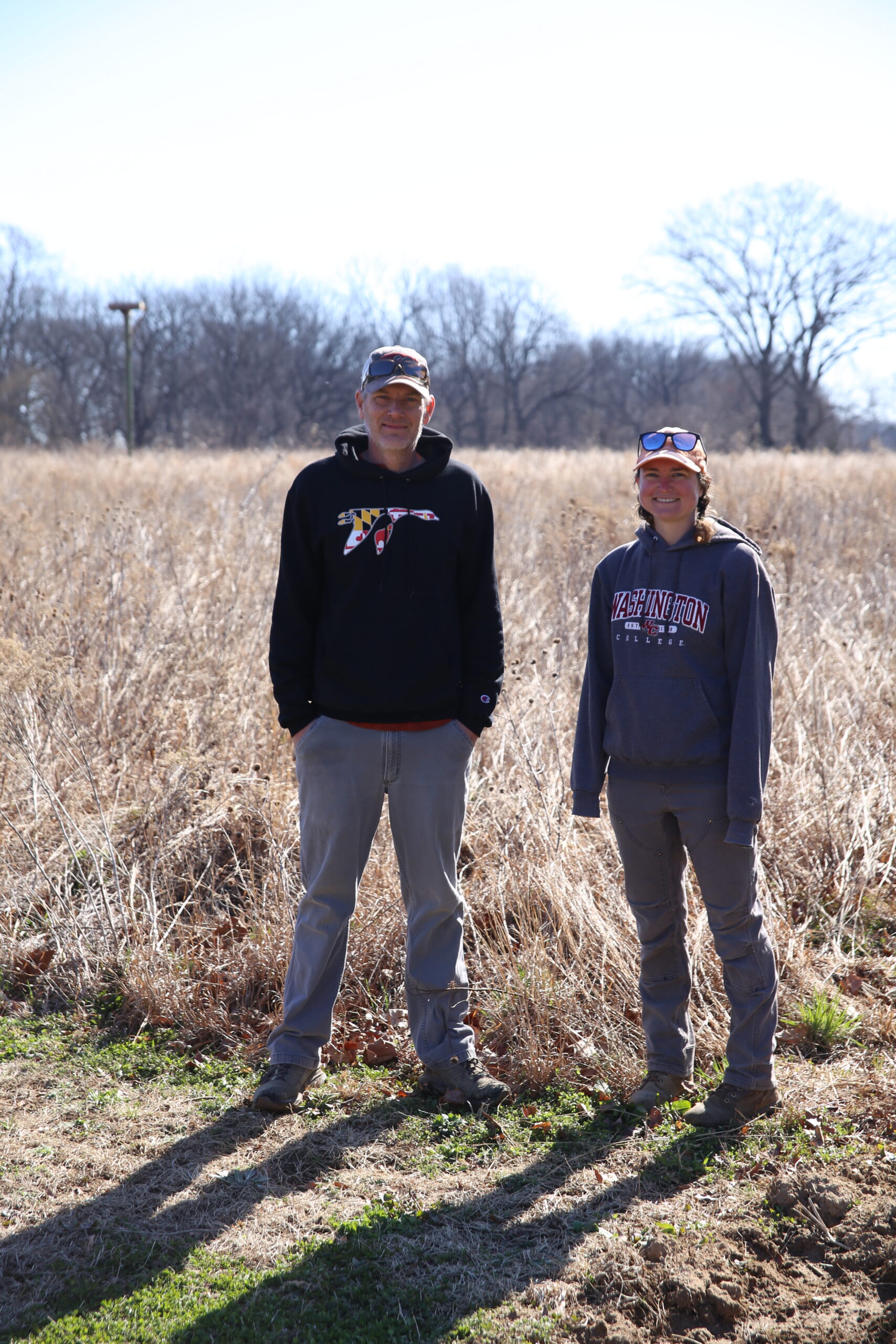
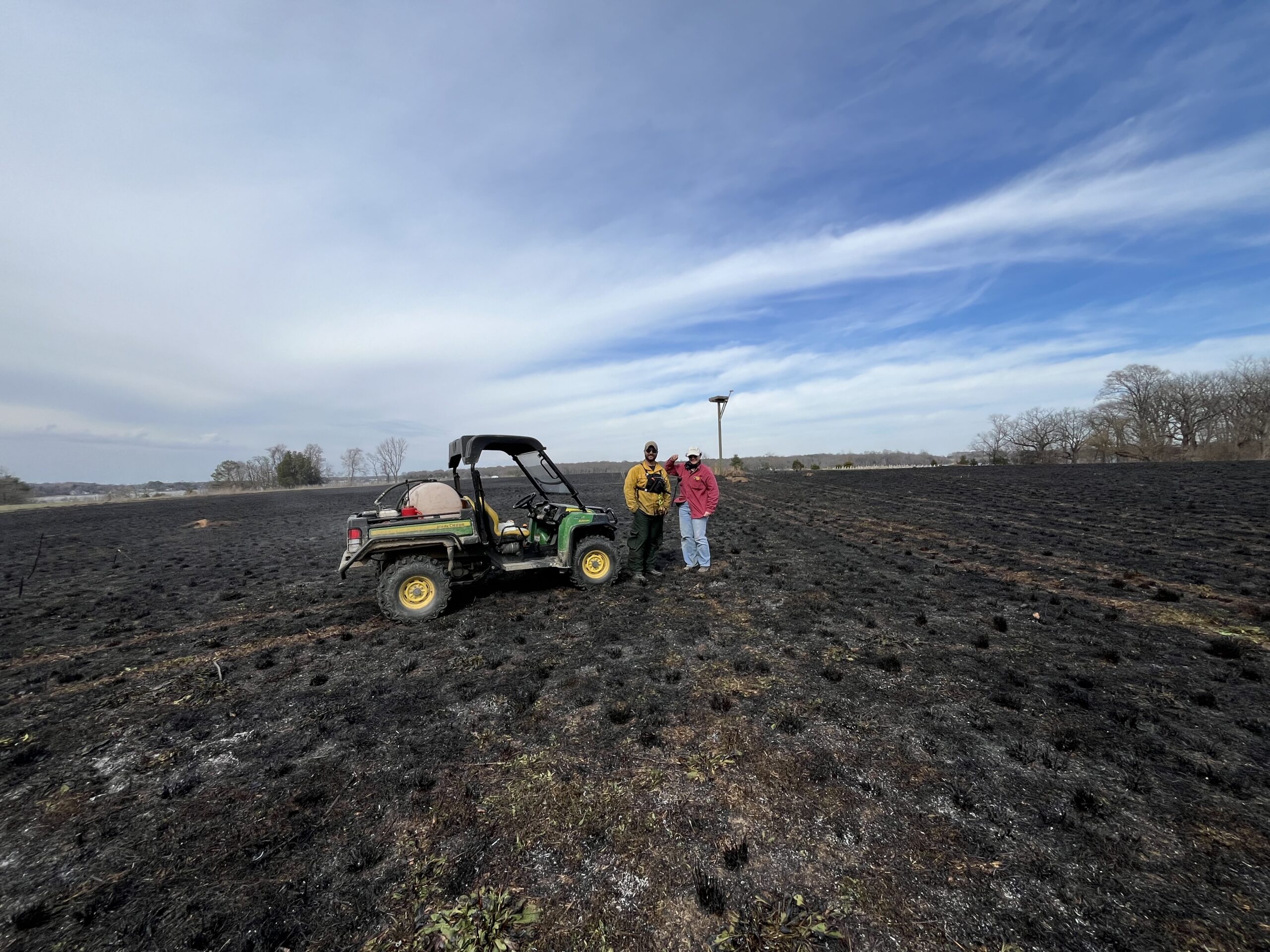
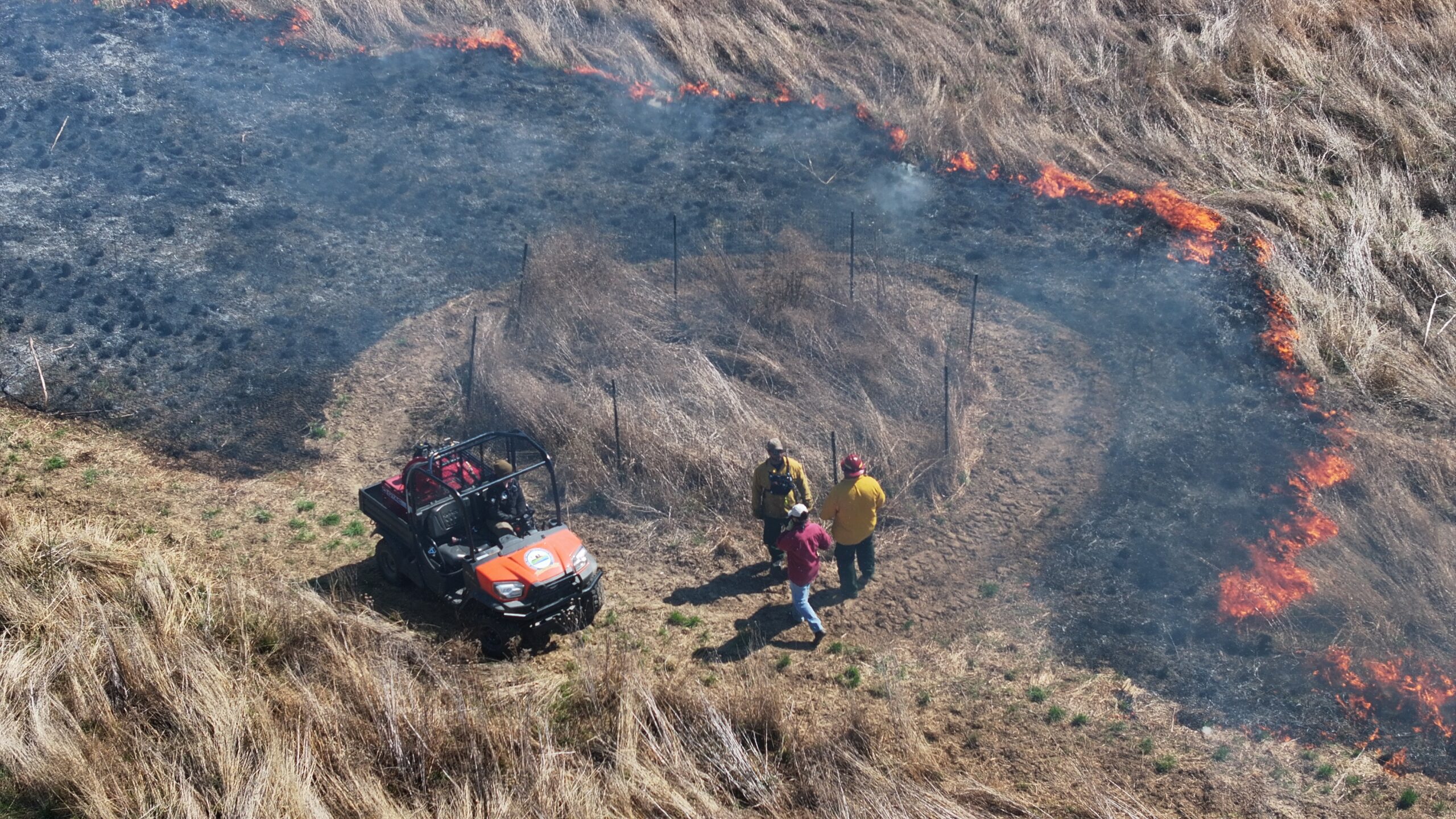
Larisa Prezioso, Jennifer Lieber, Chip Lieber, and Kyle Madgziuk at the Burning for Birds learn-and-burn at Piney Grove Estate.


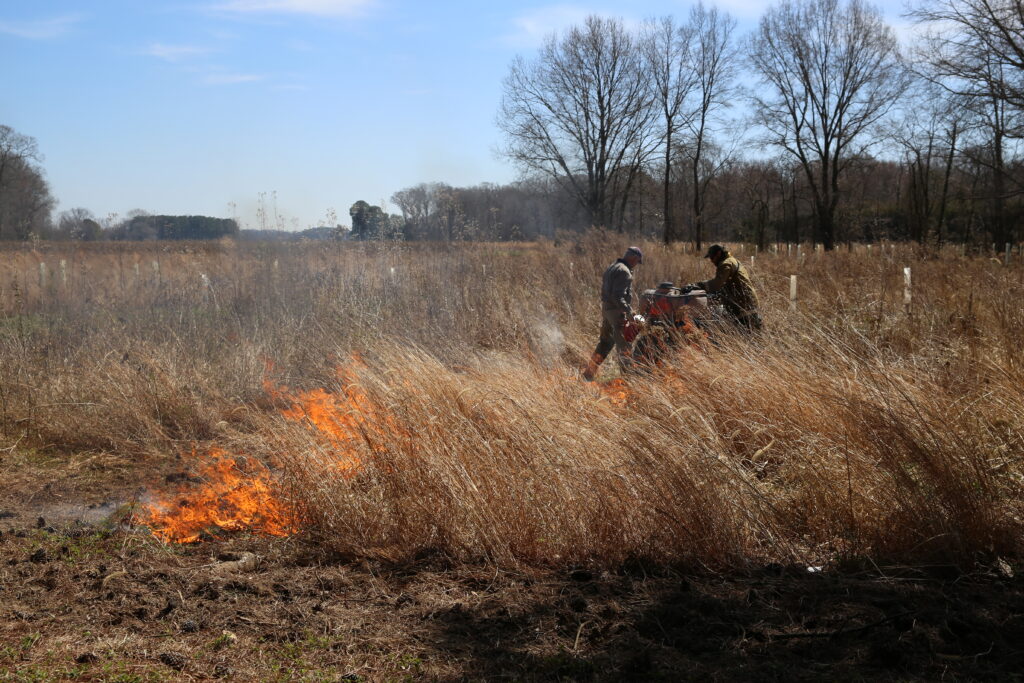
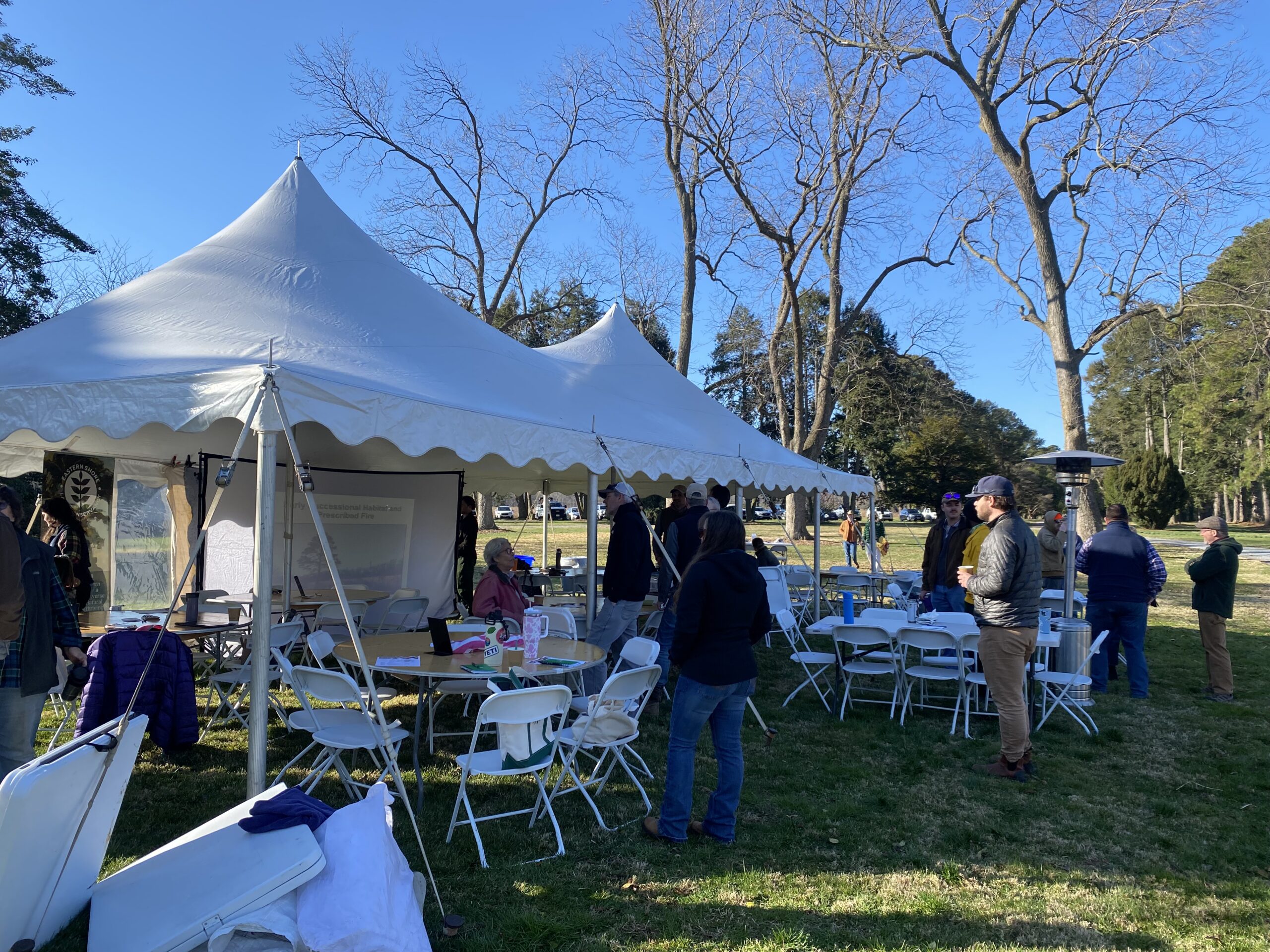
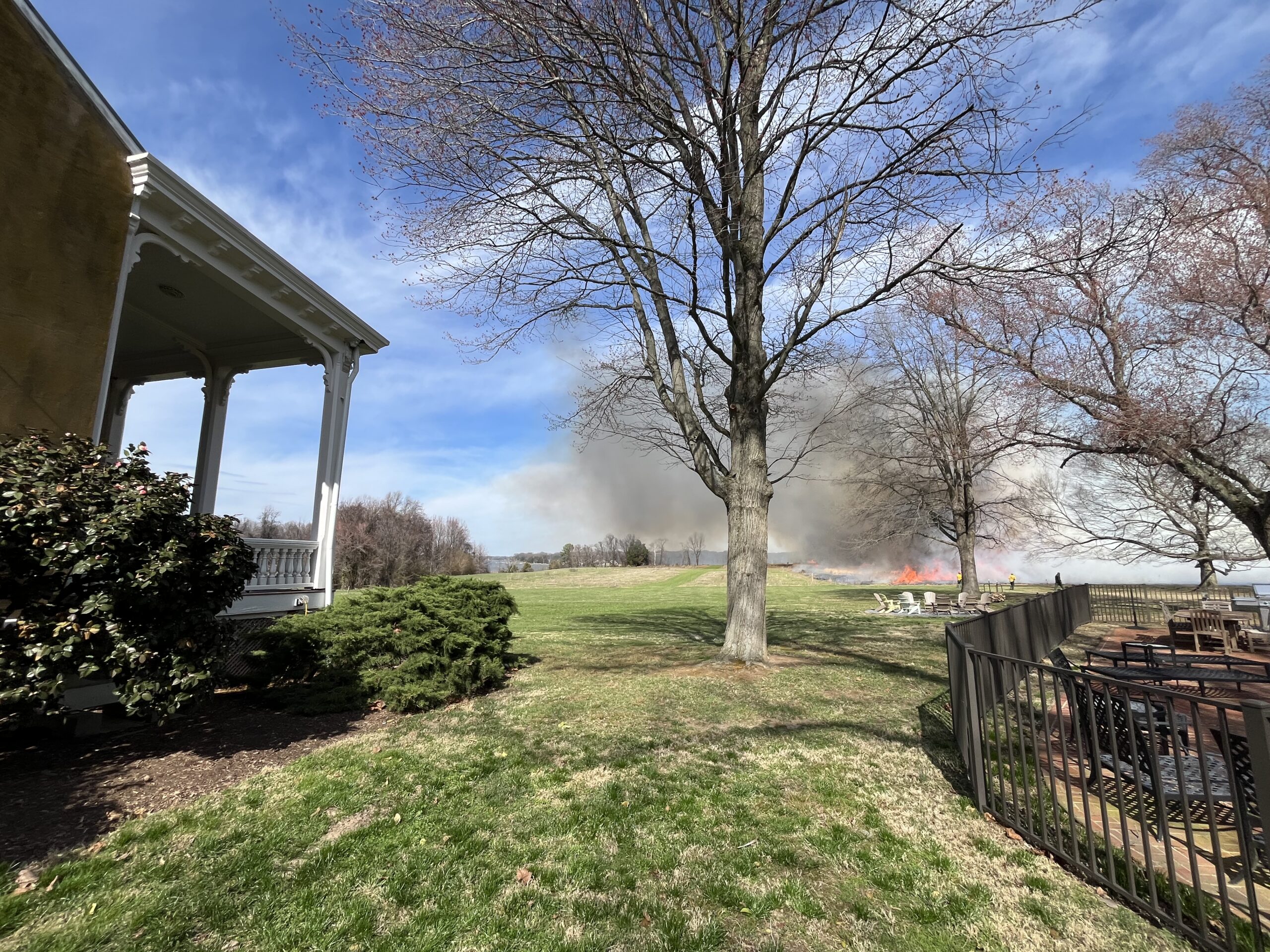
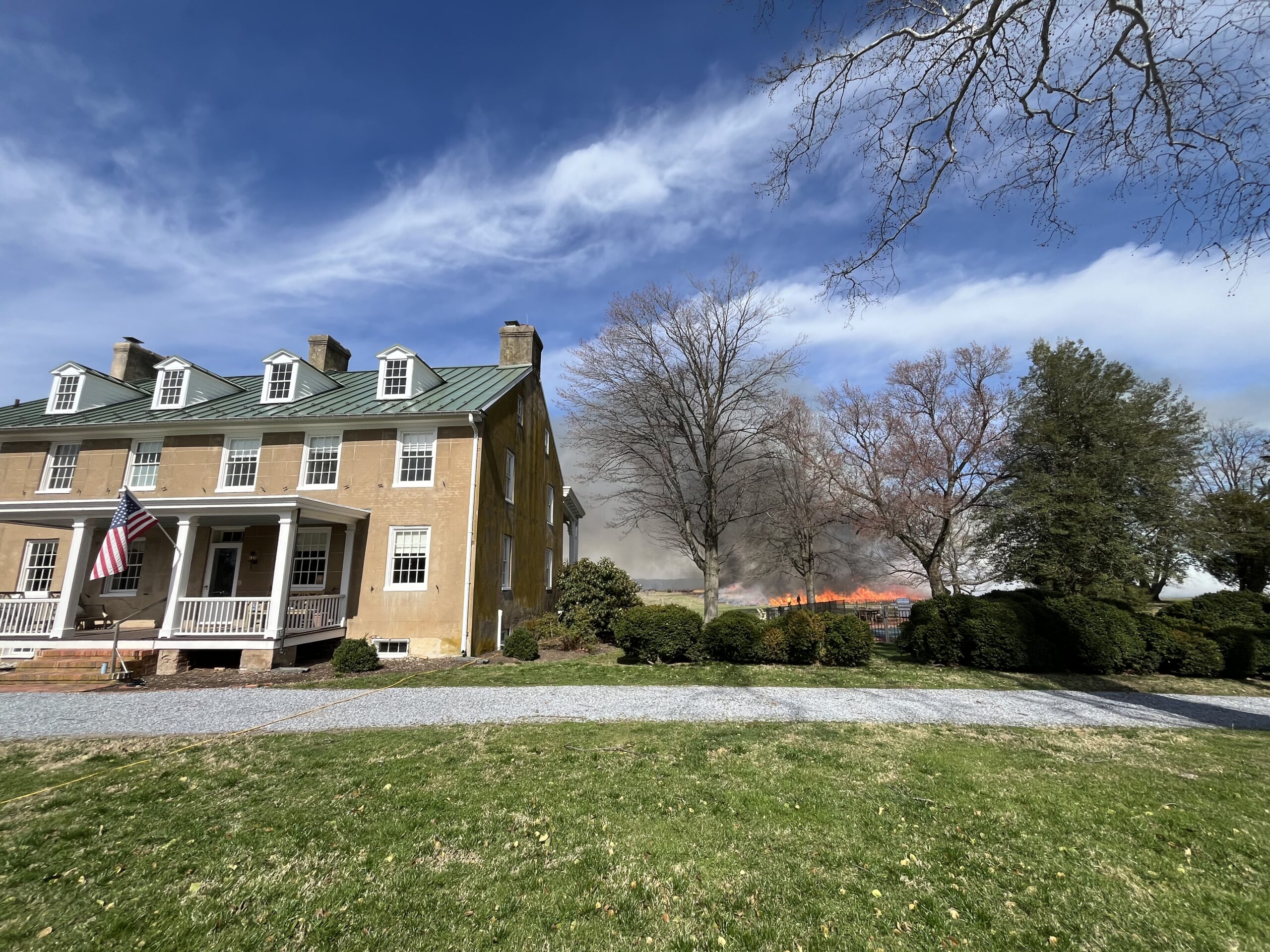
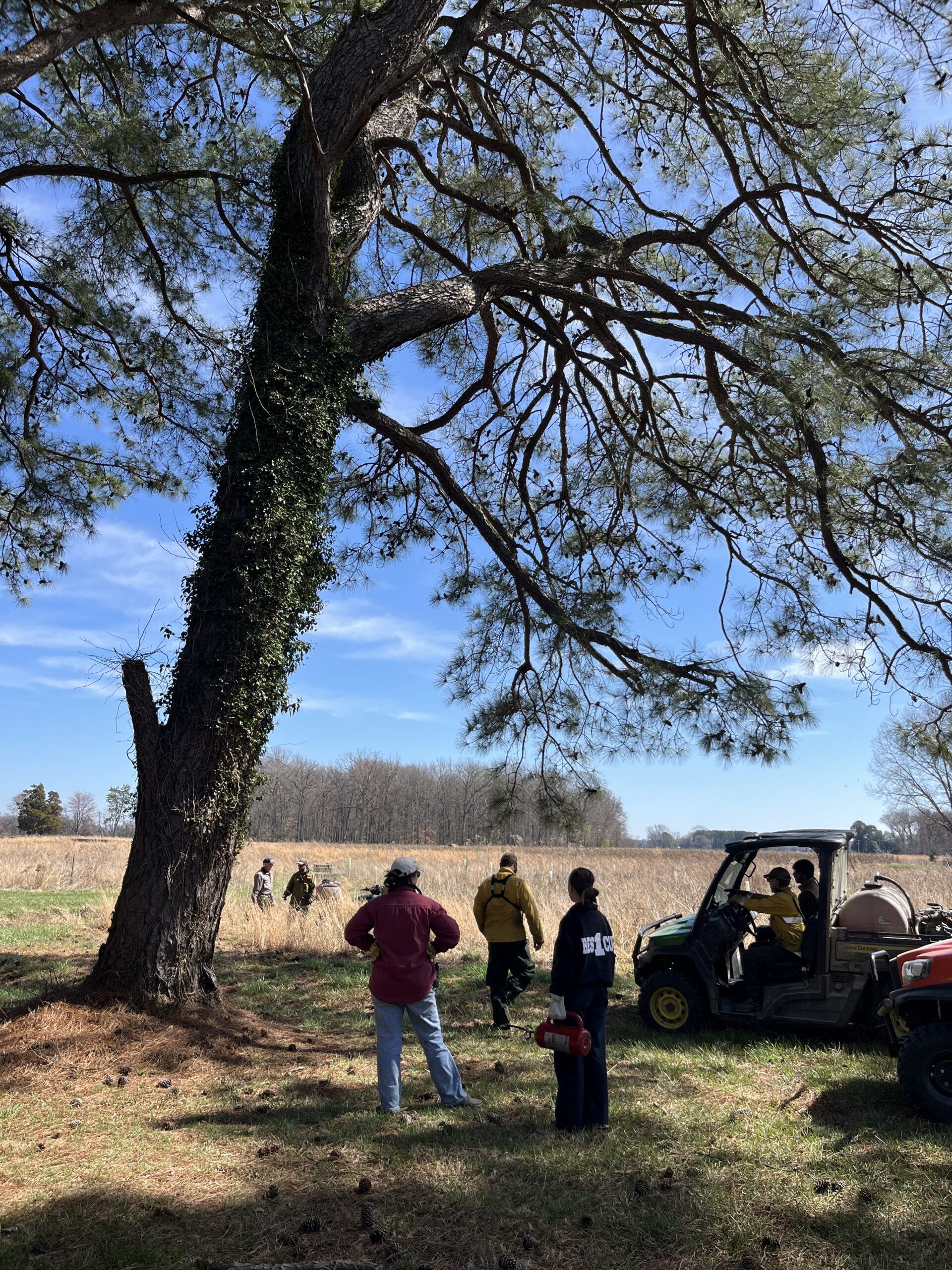
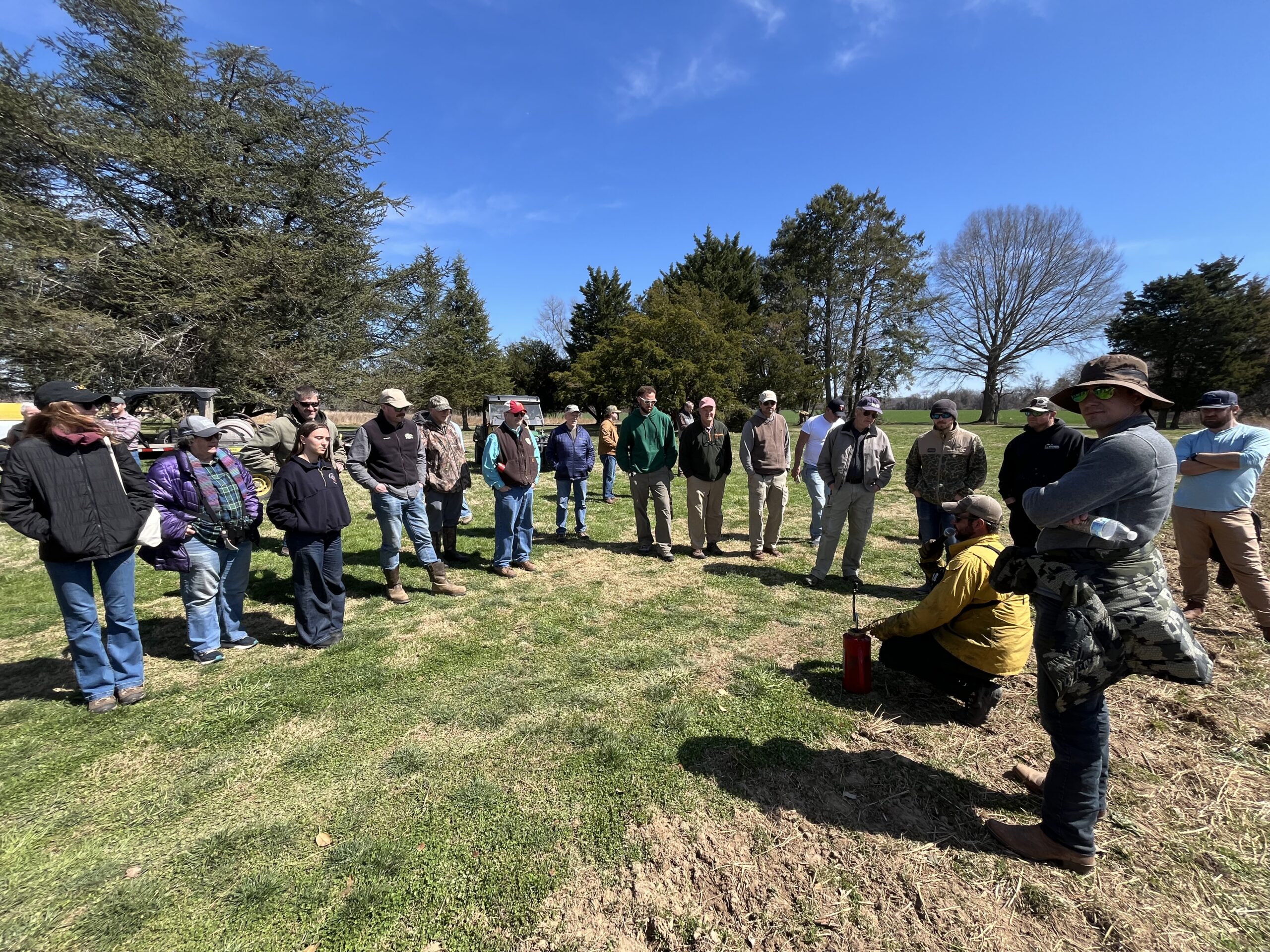
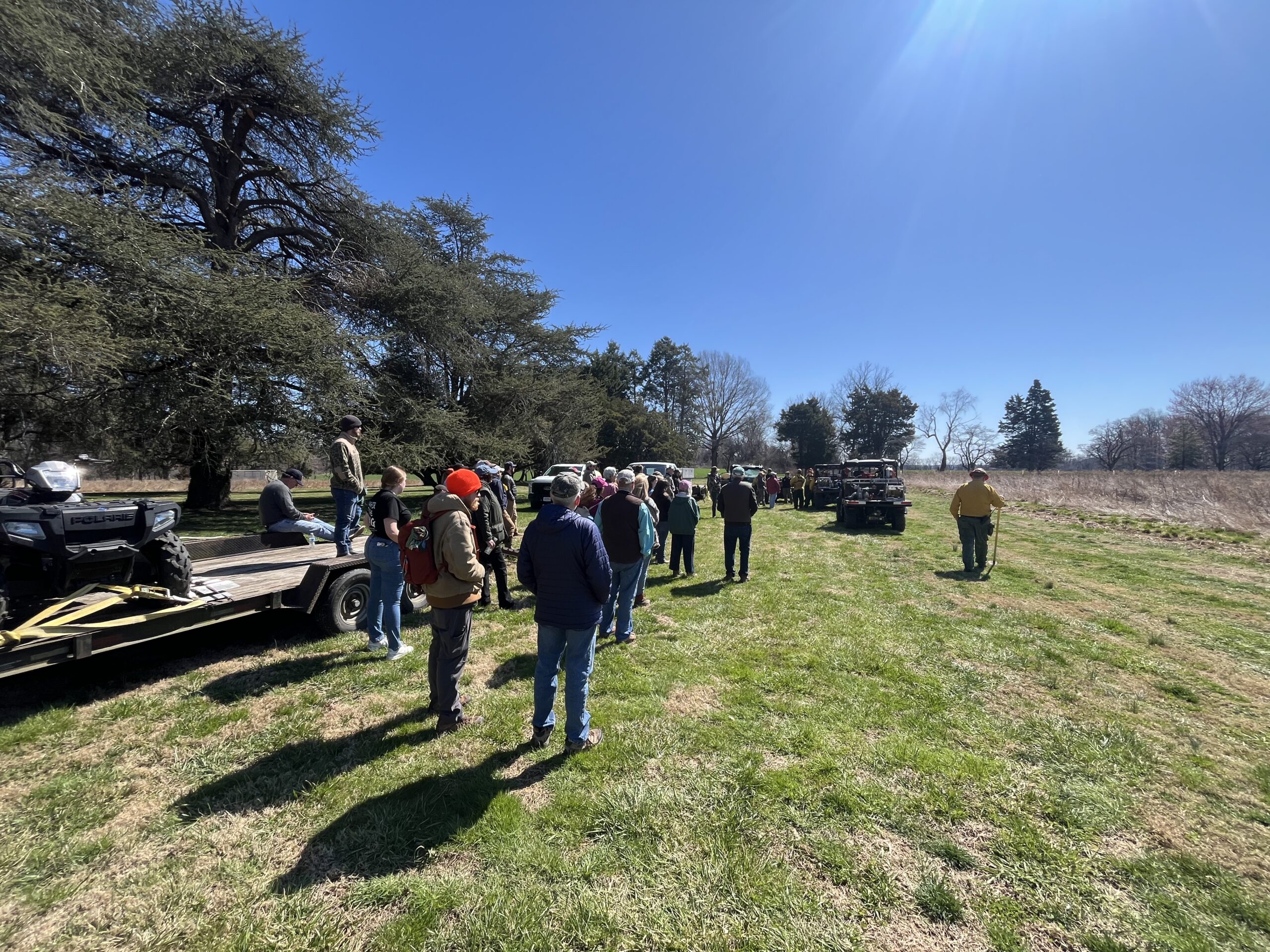
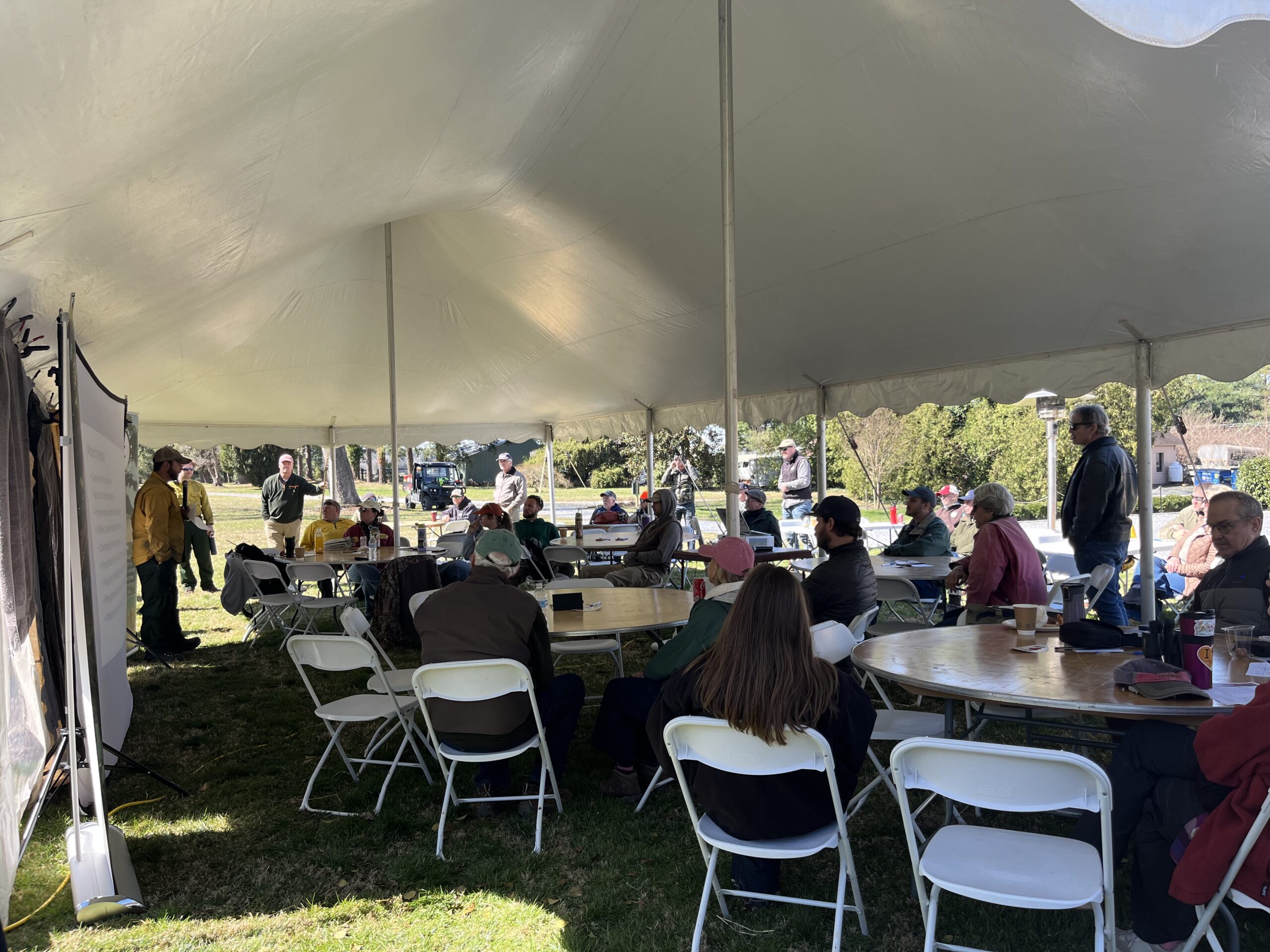
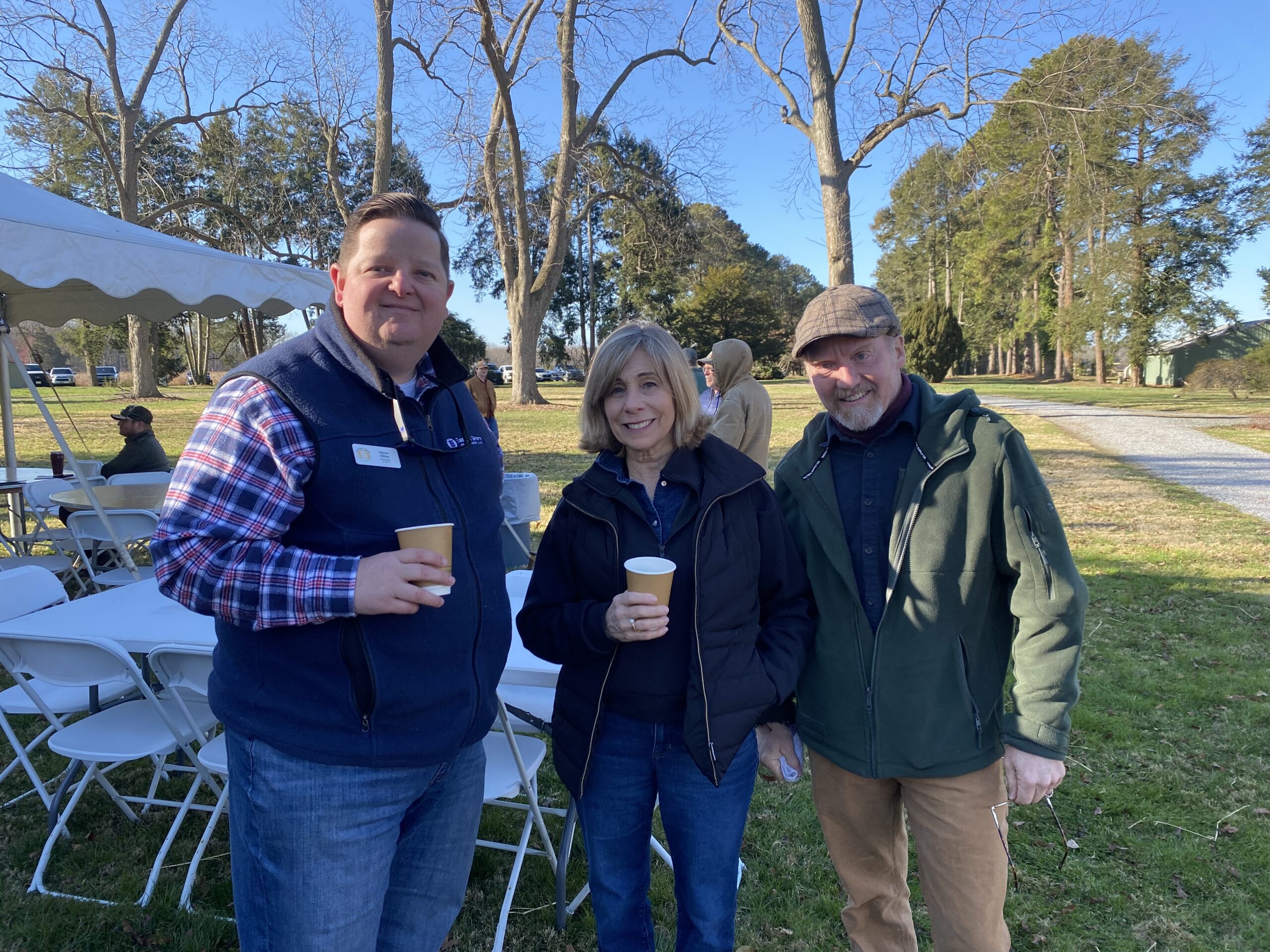
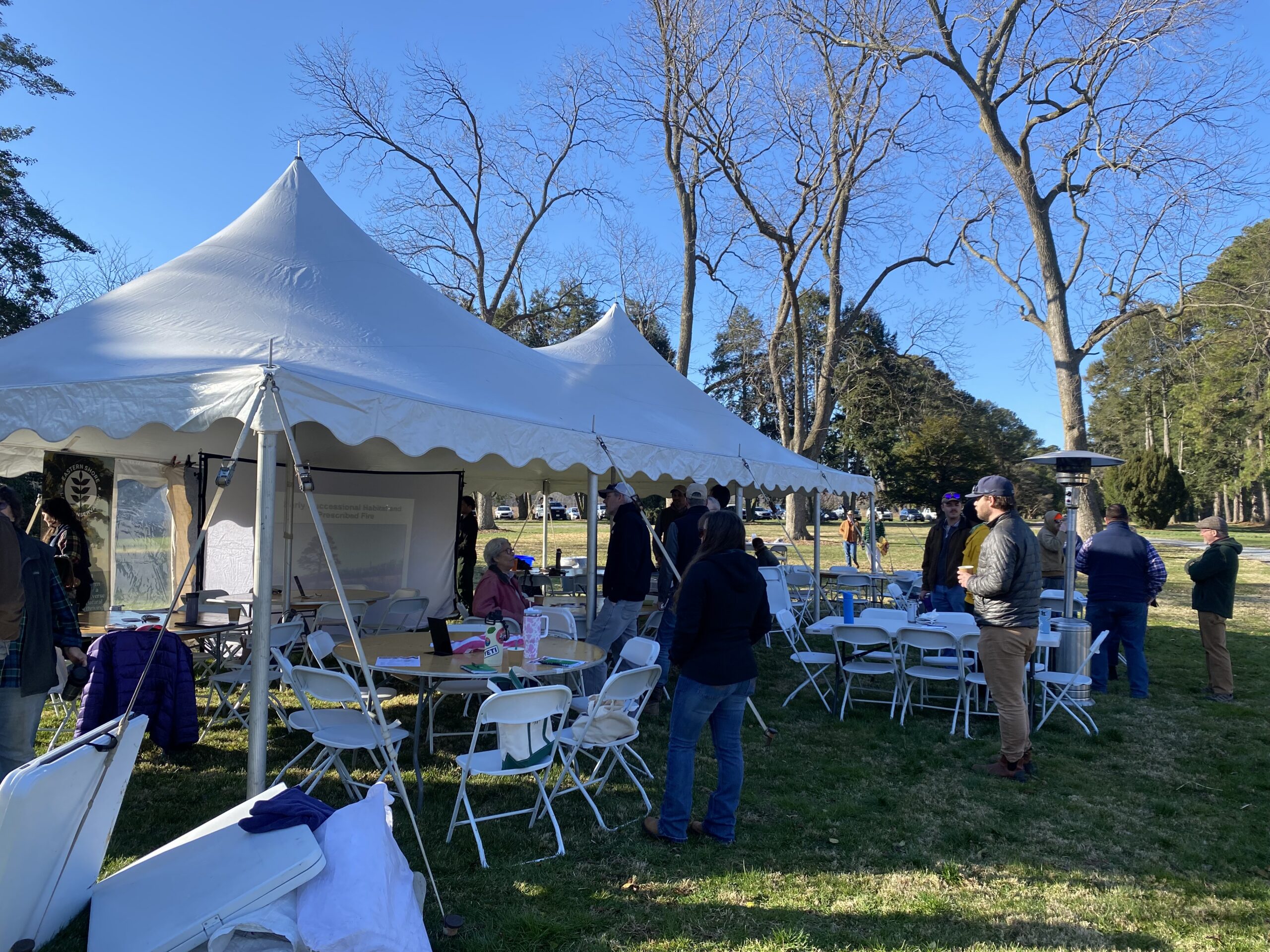
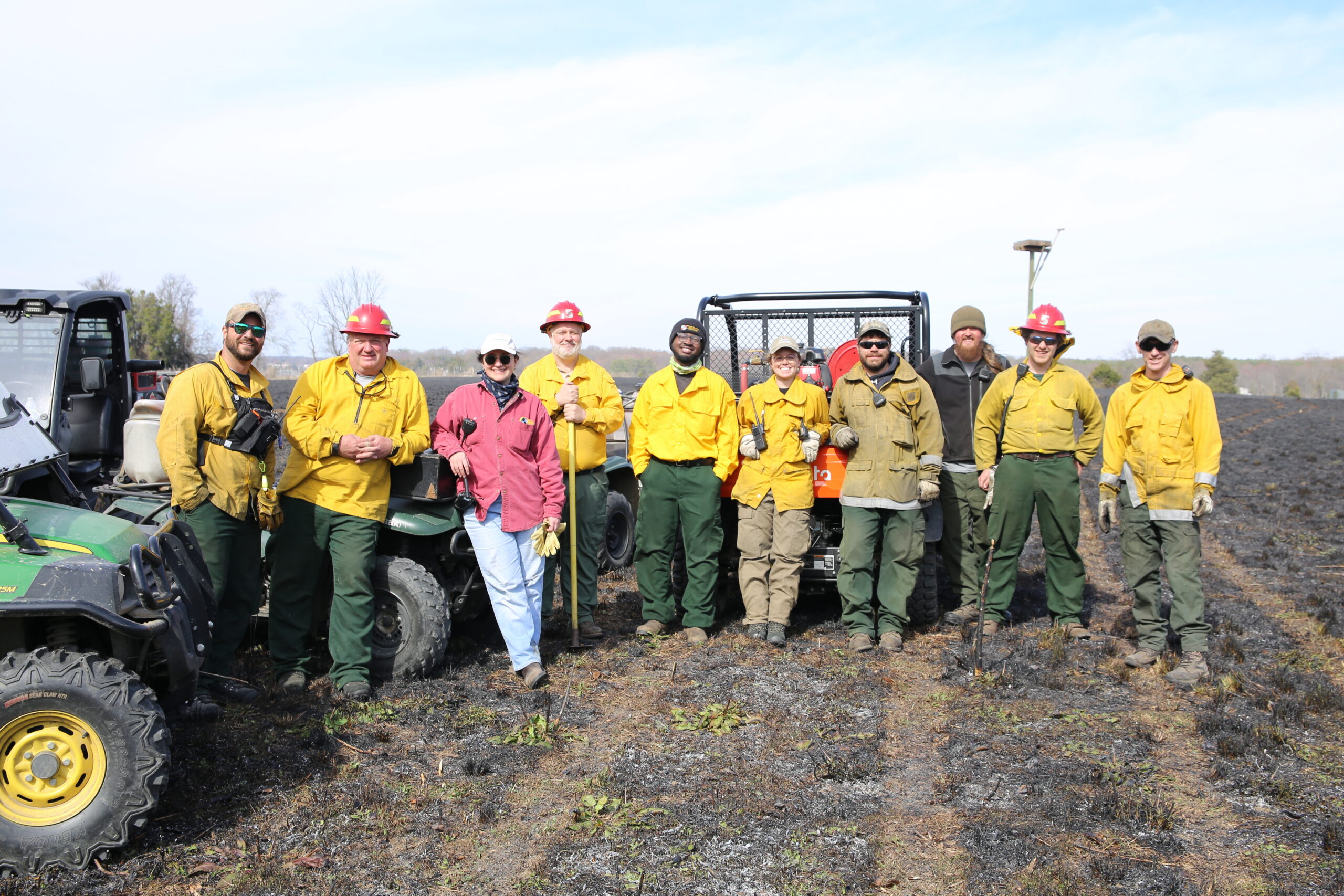
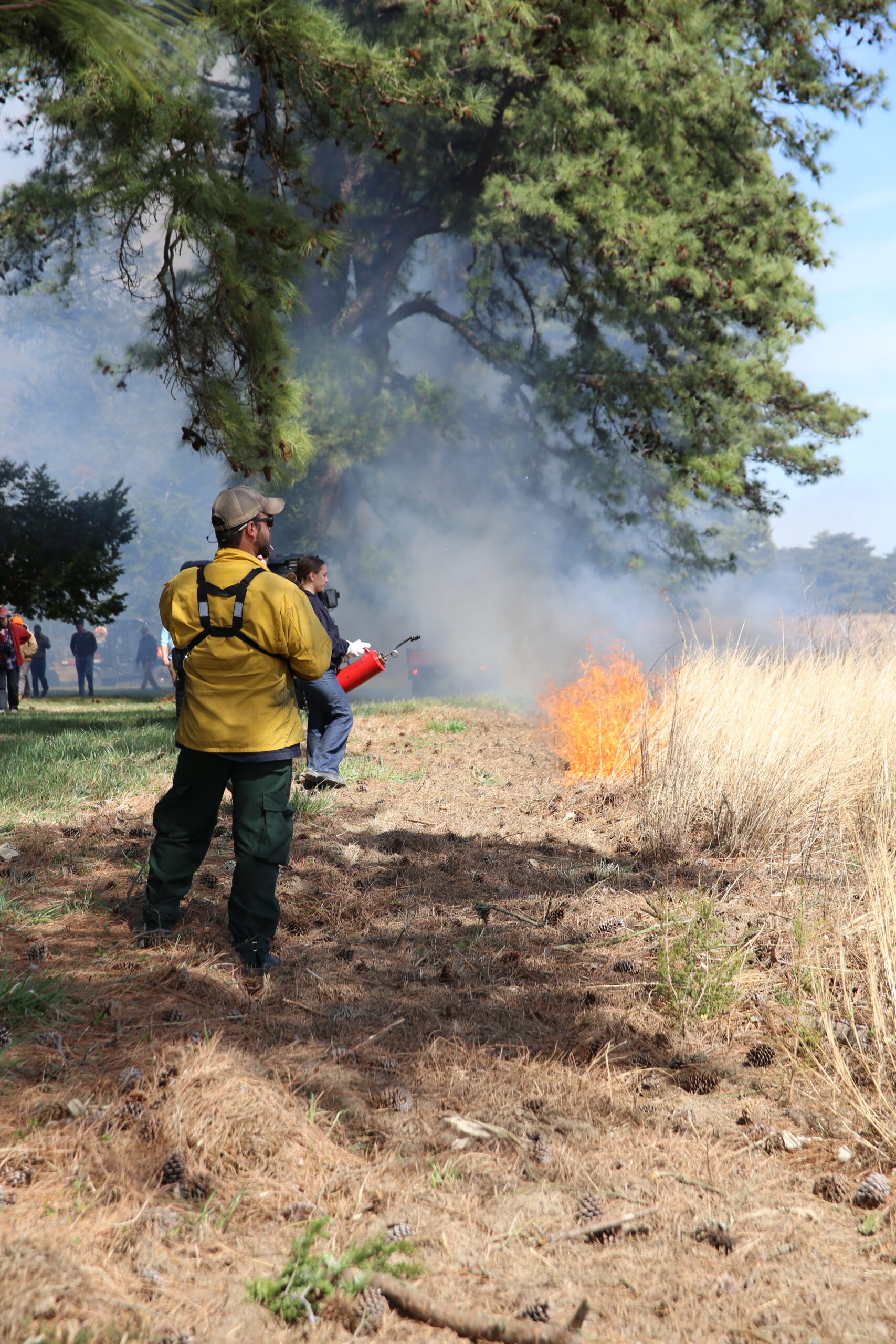
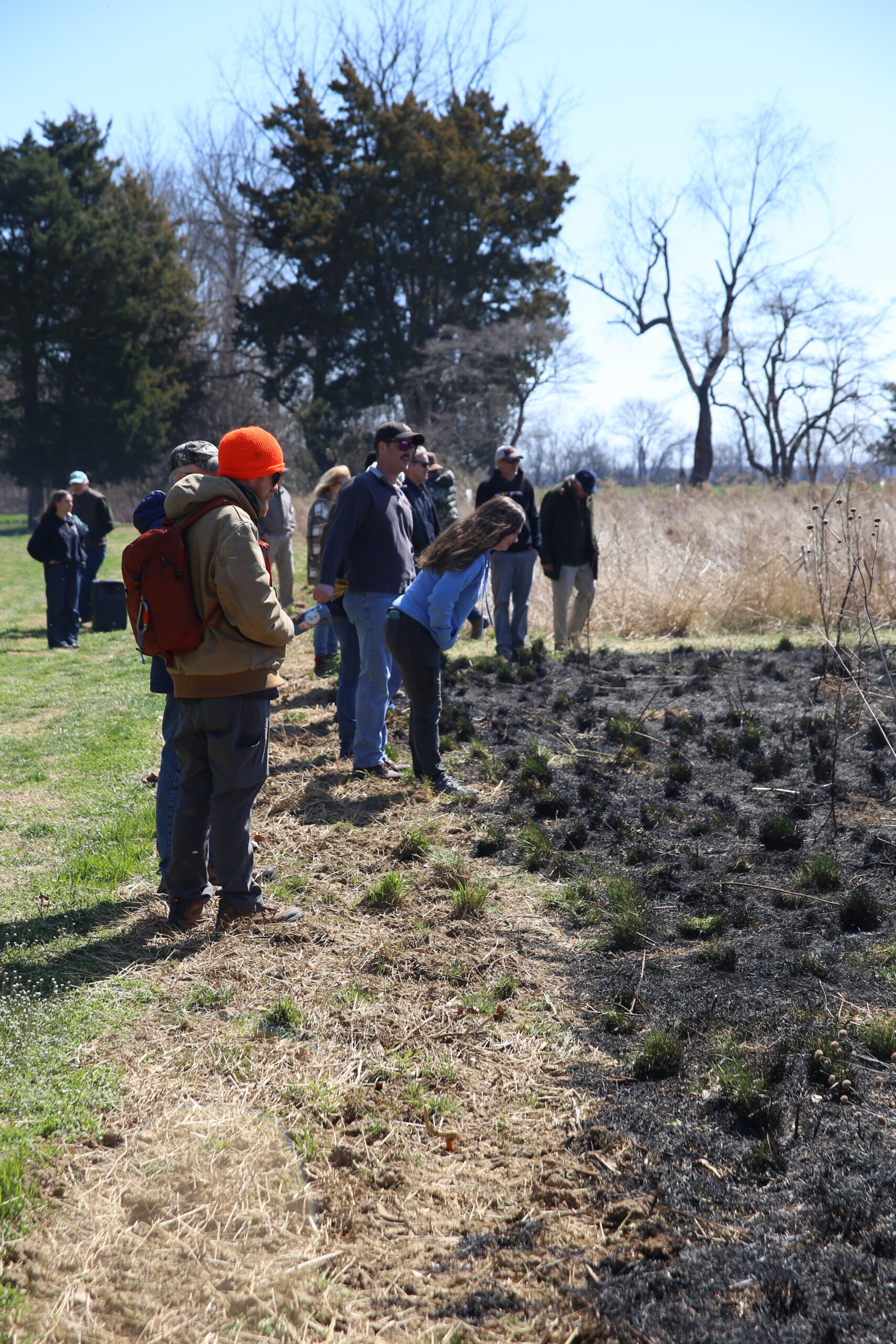
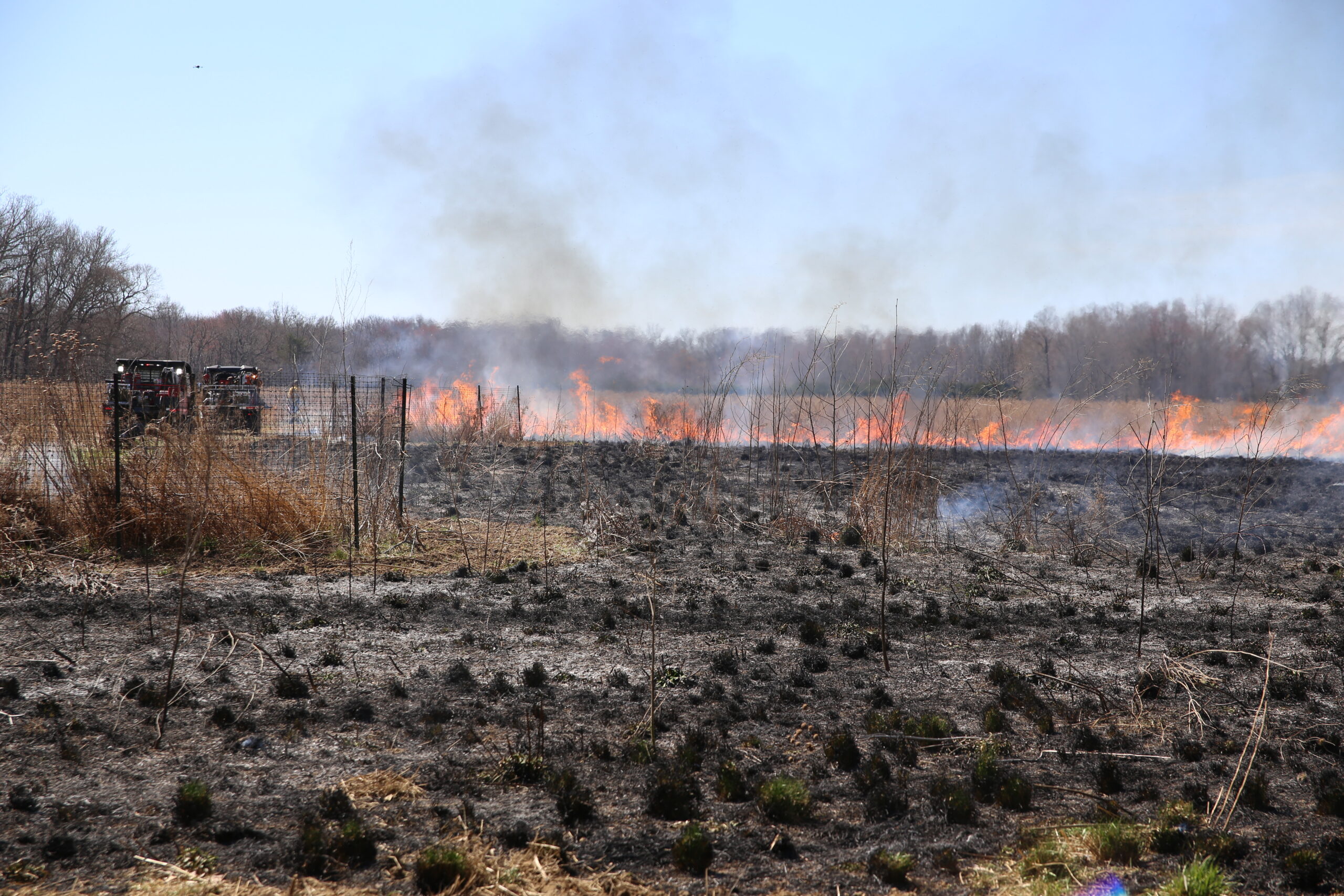
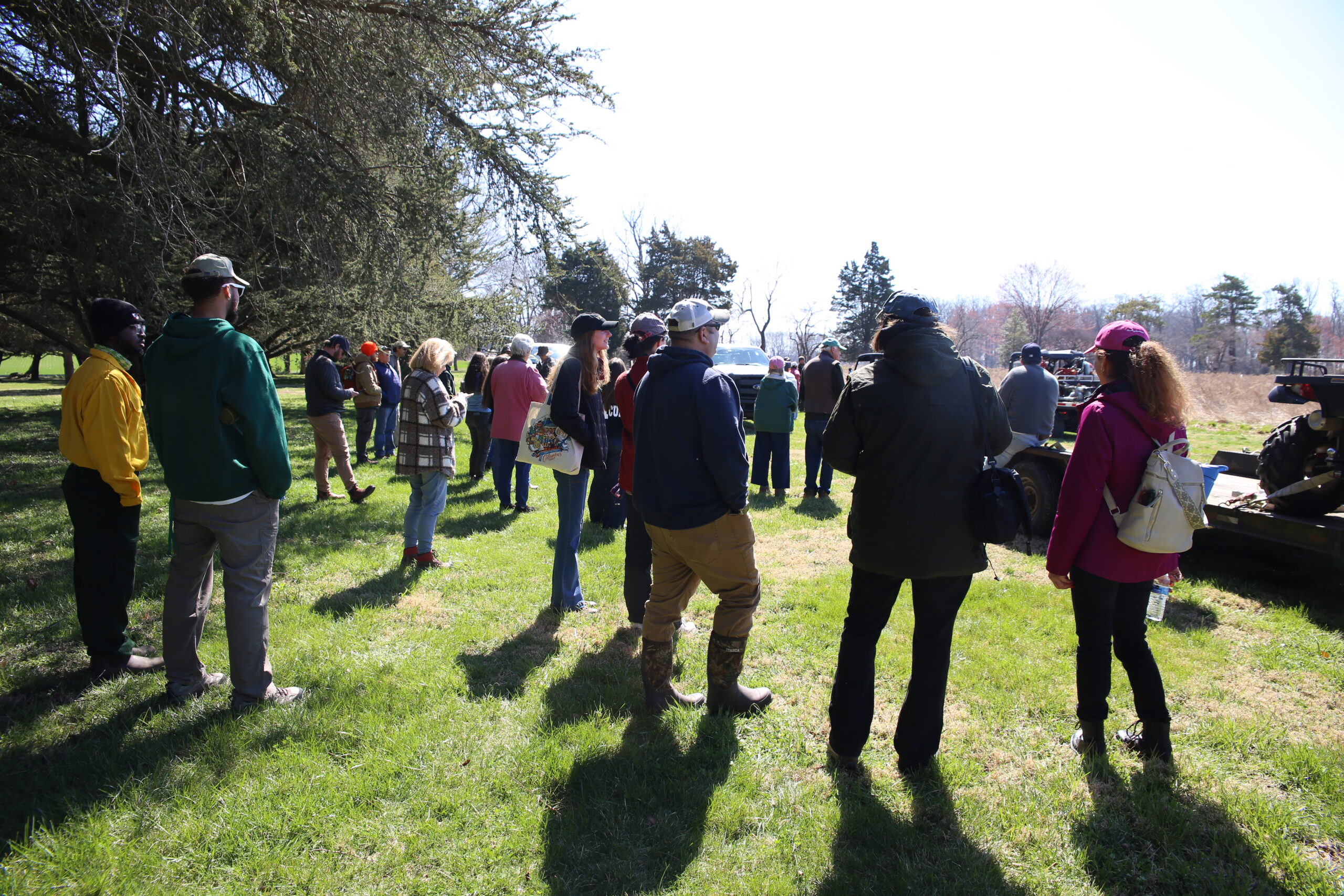
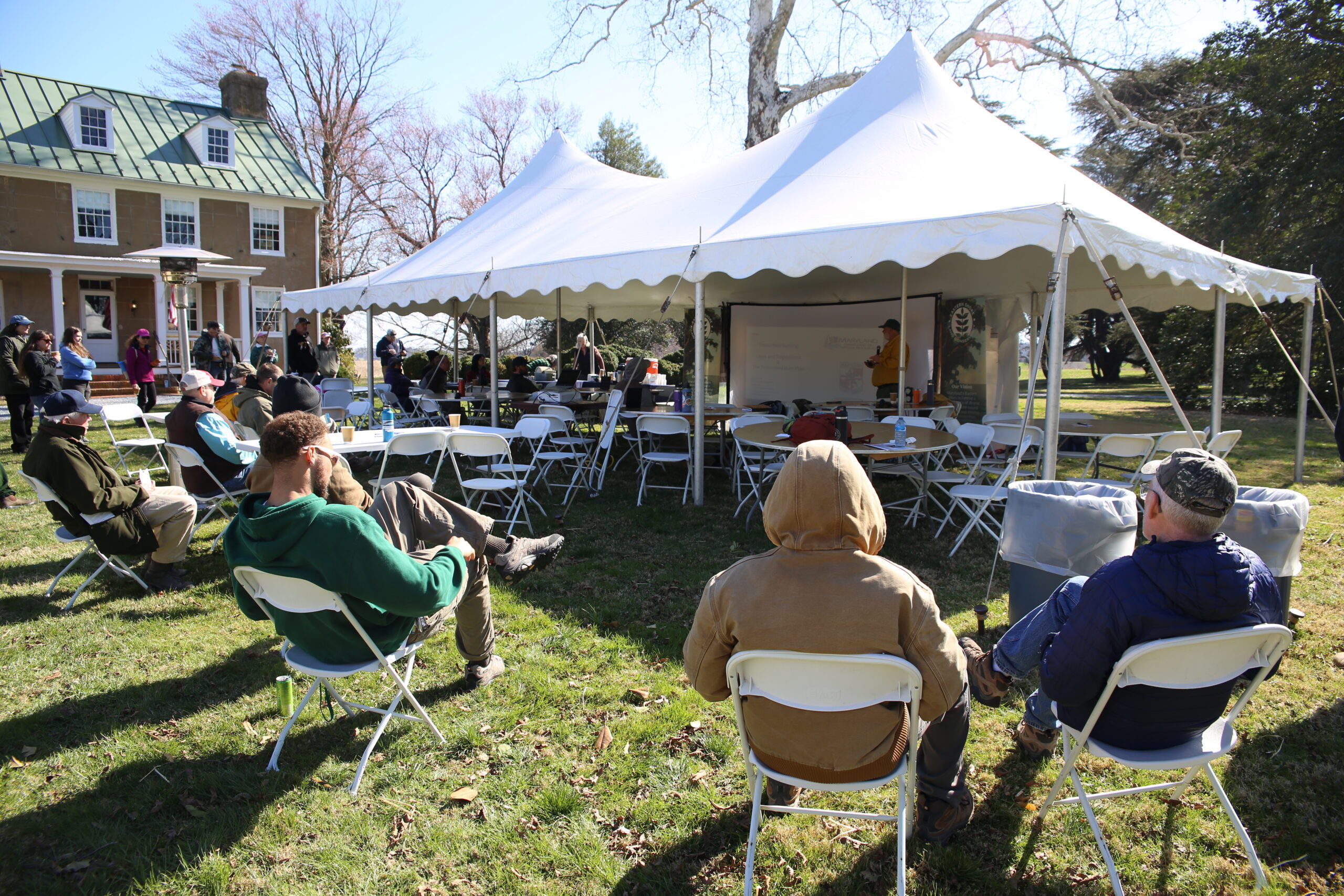
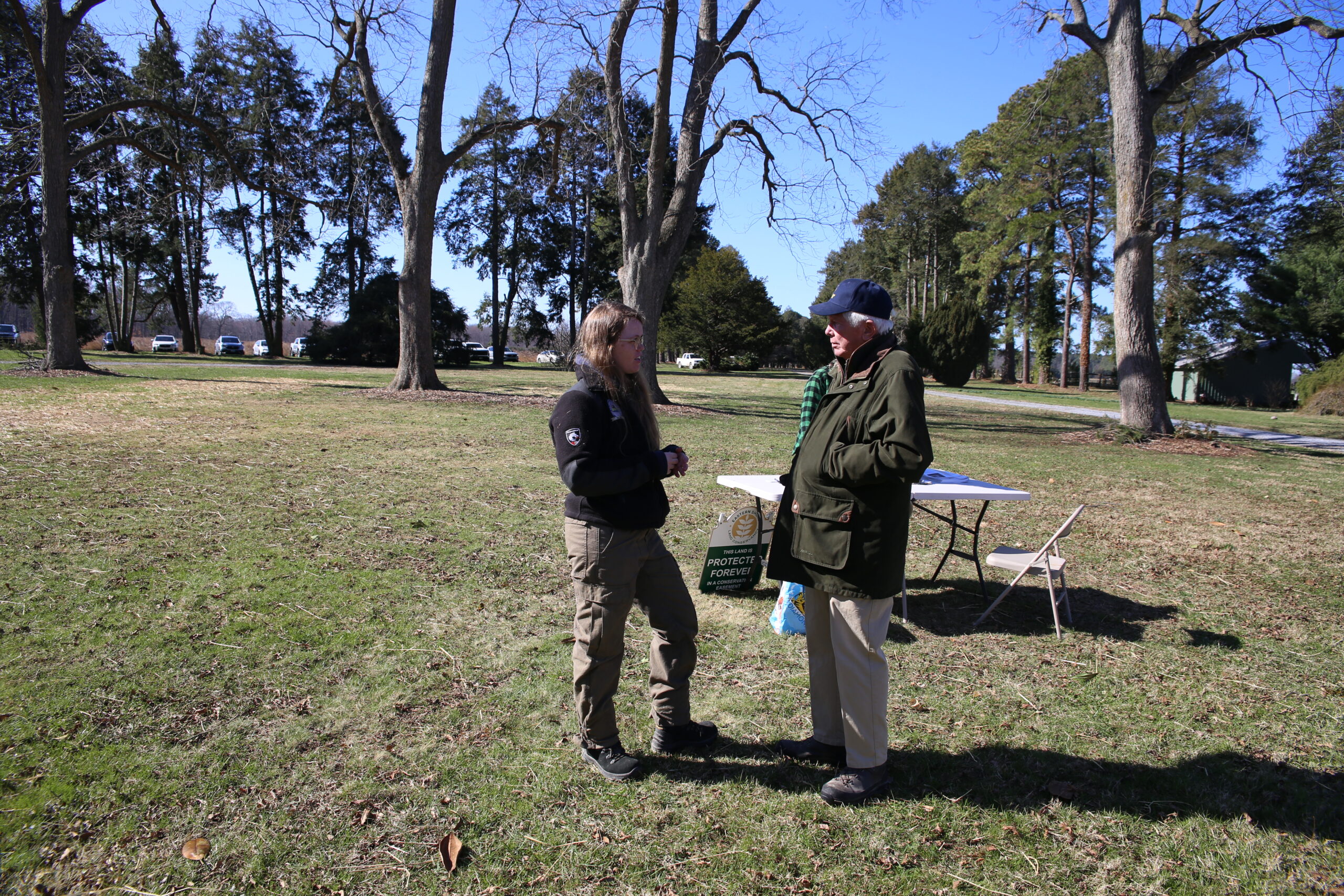
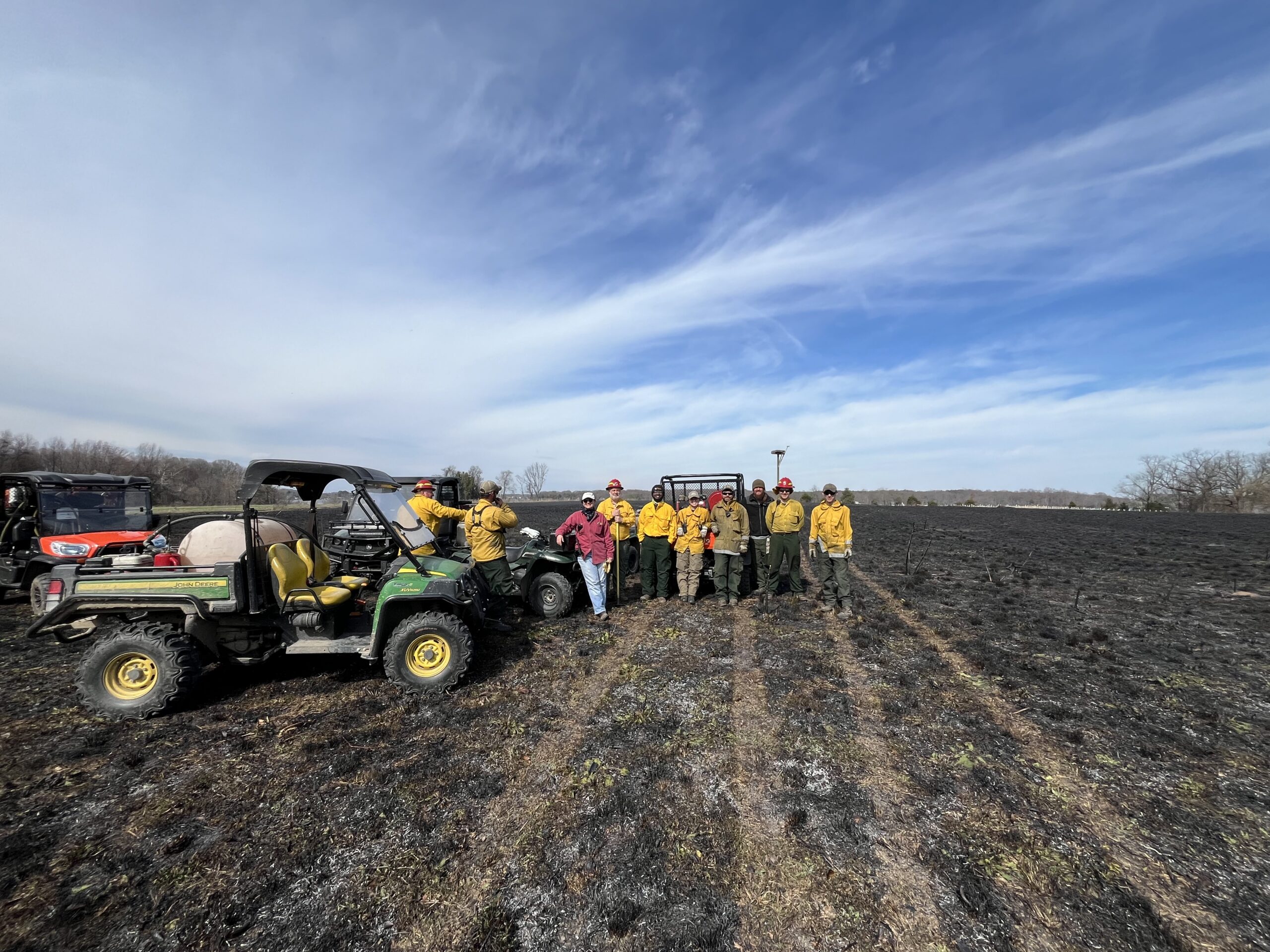
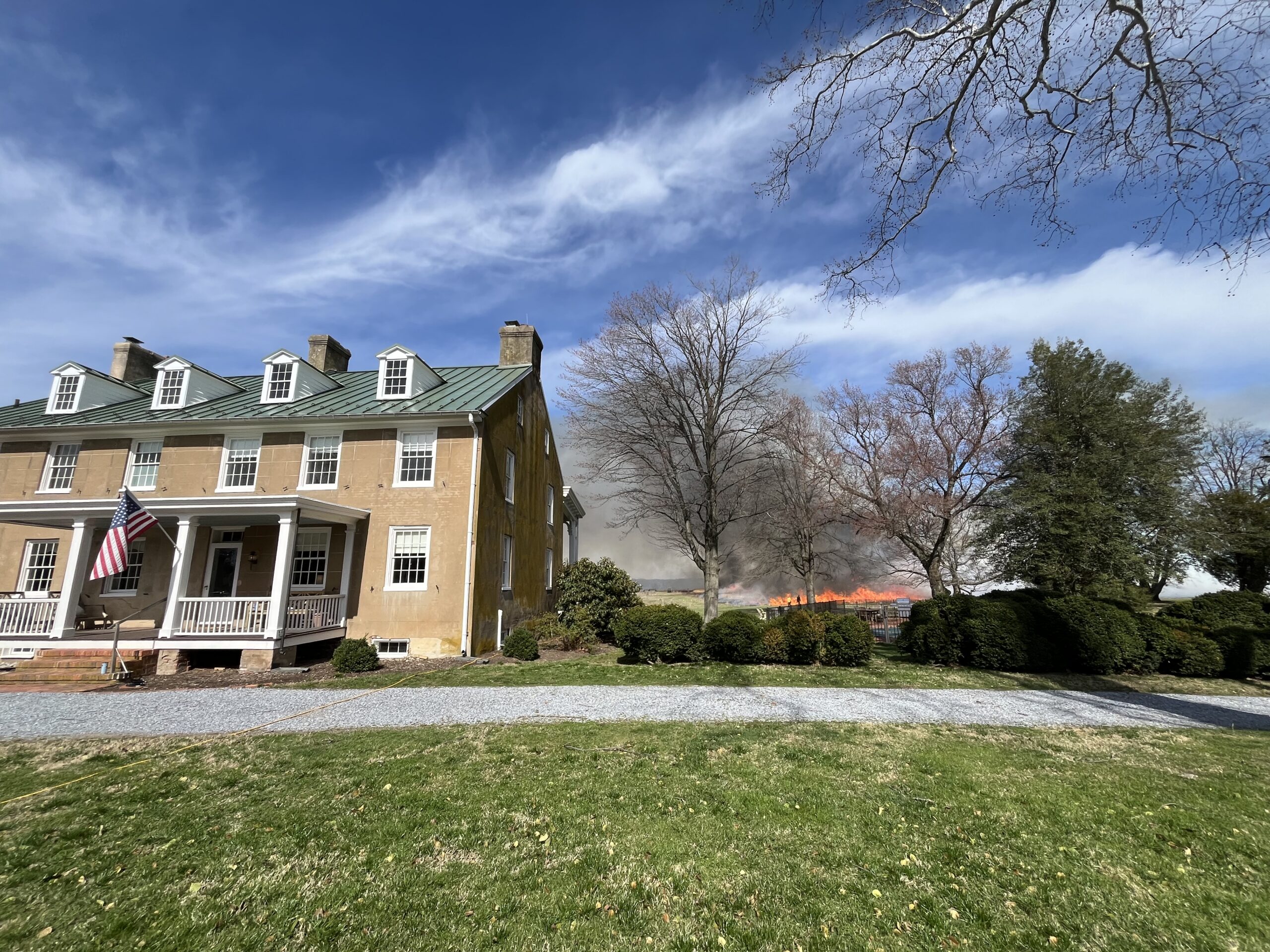
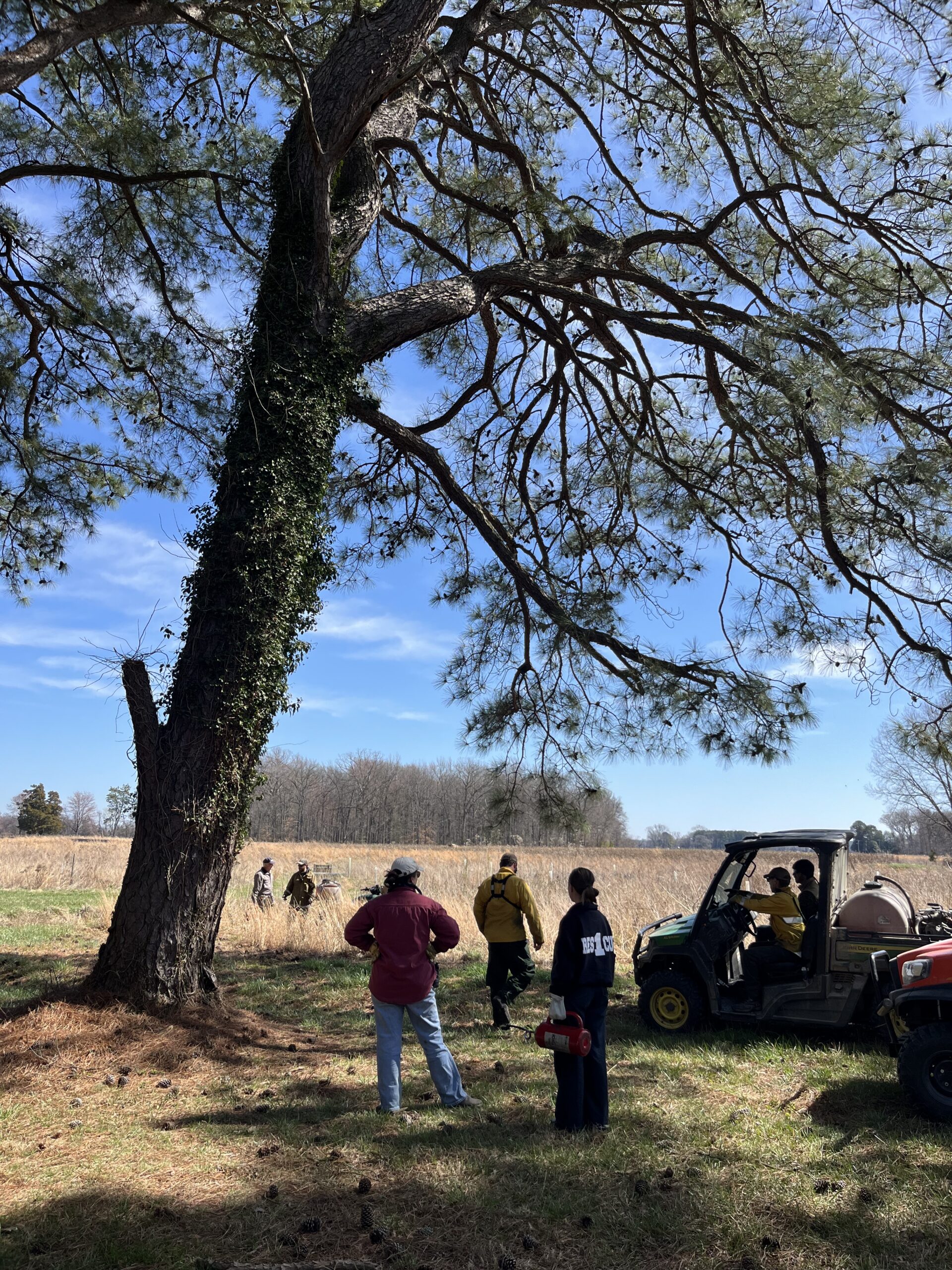
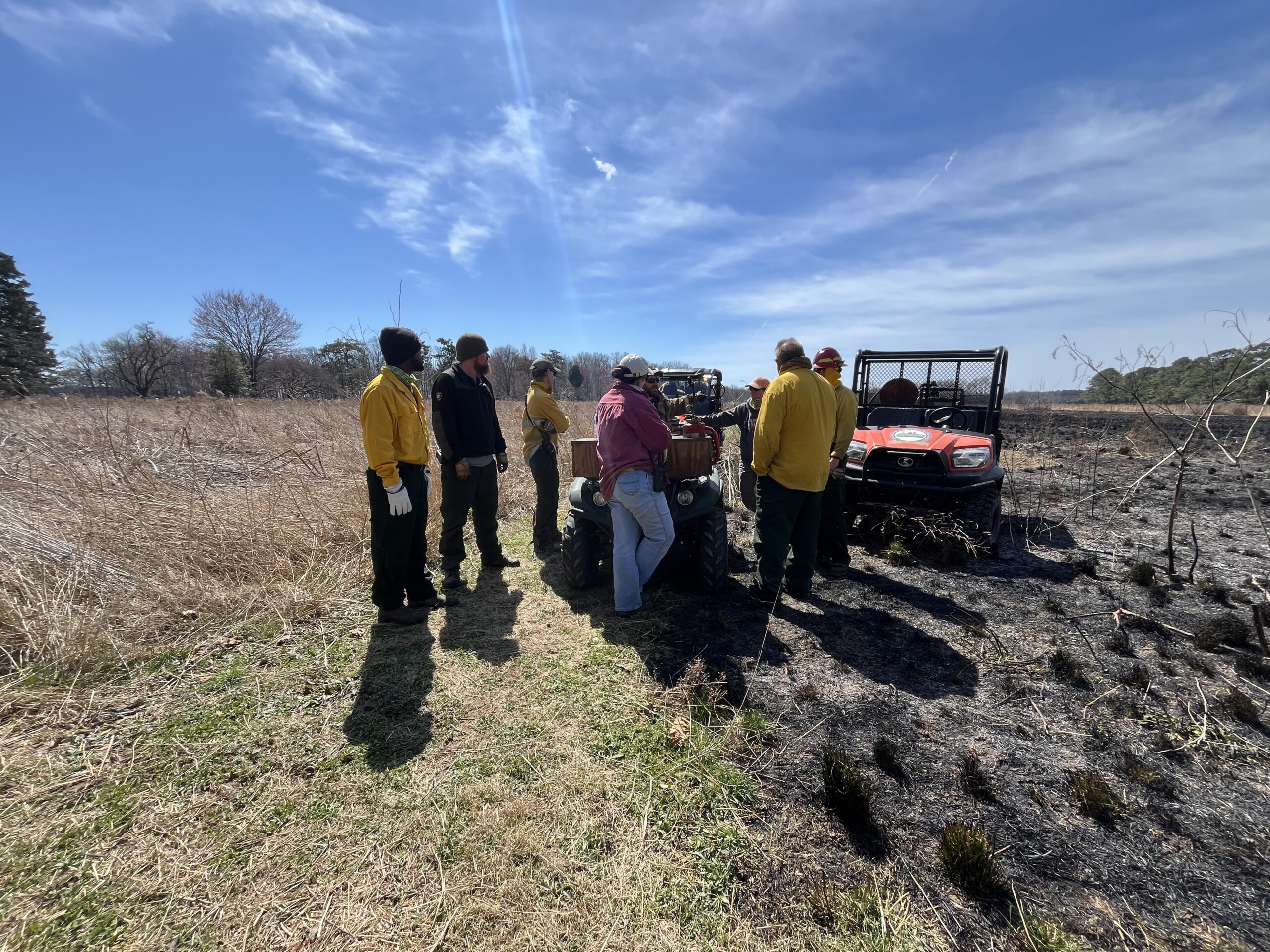
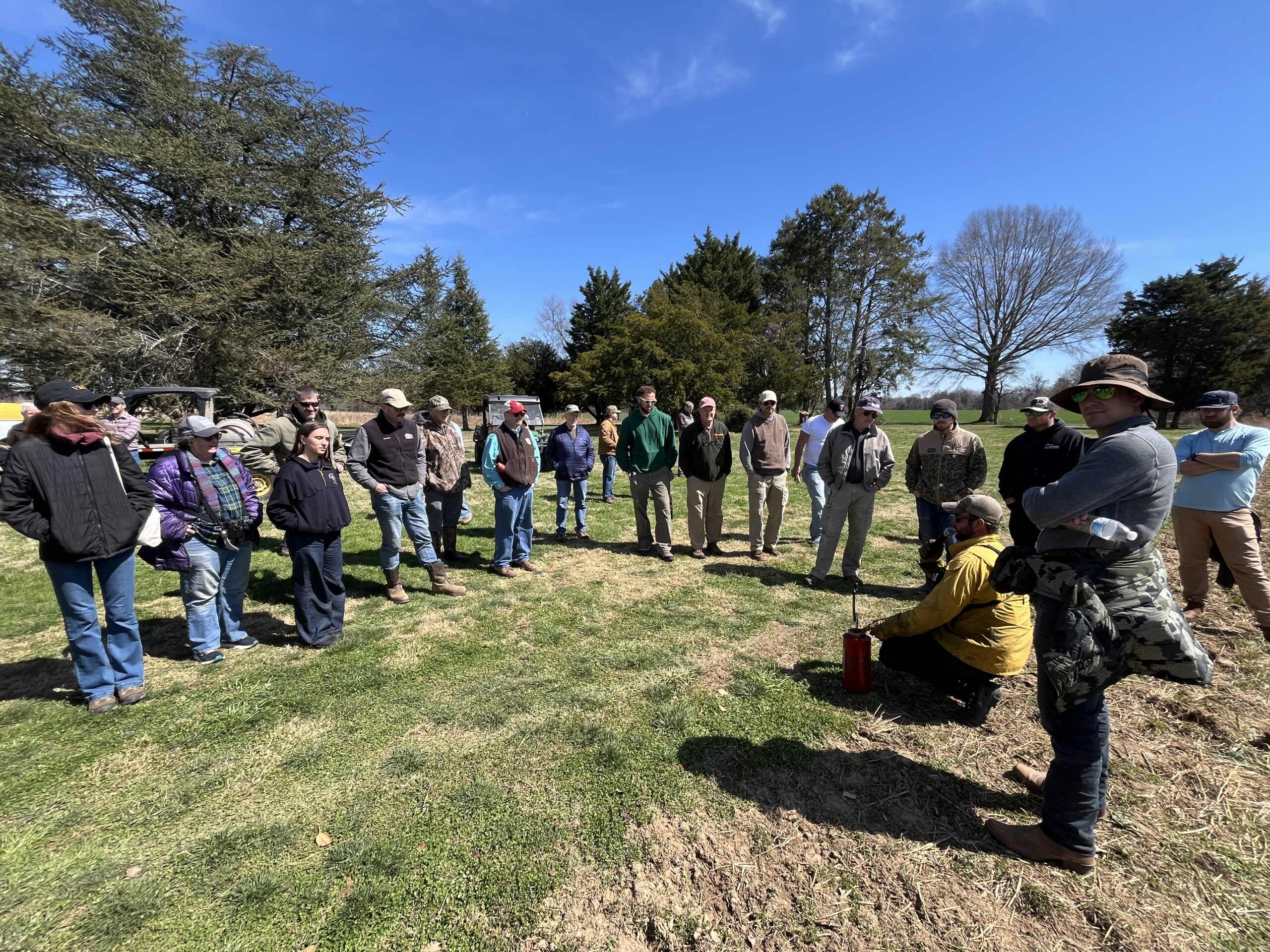
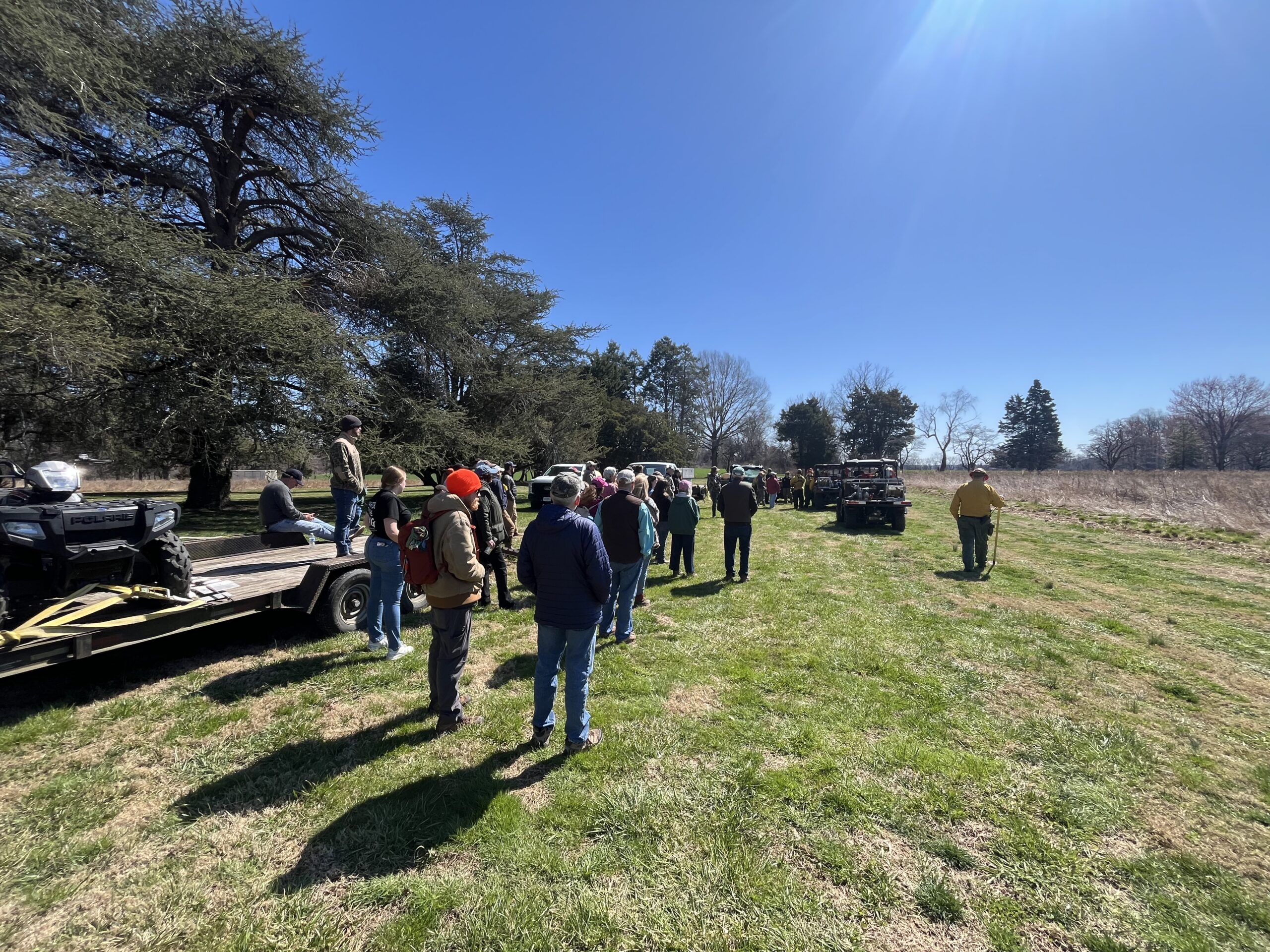
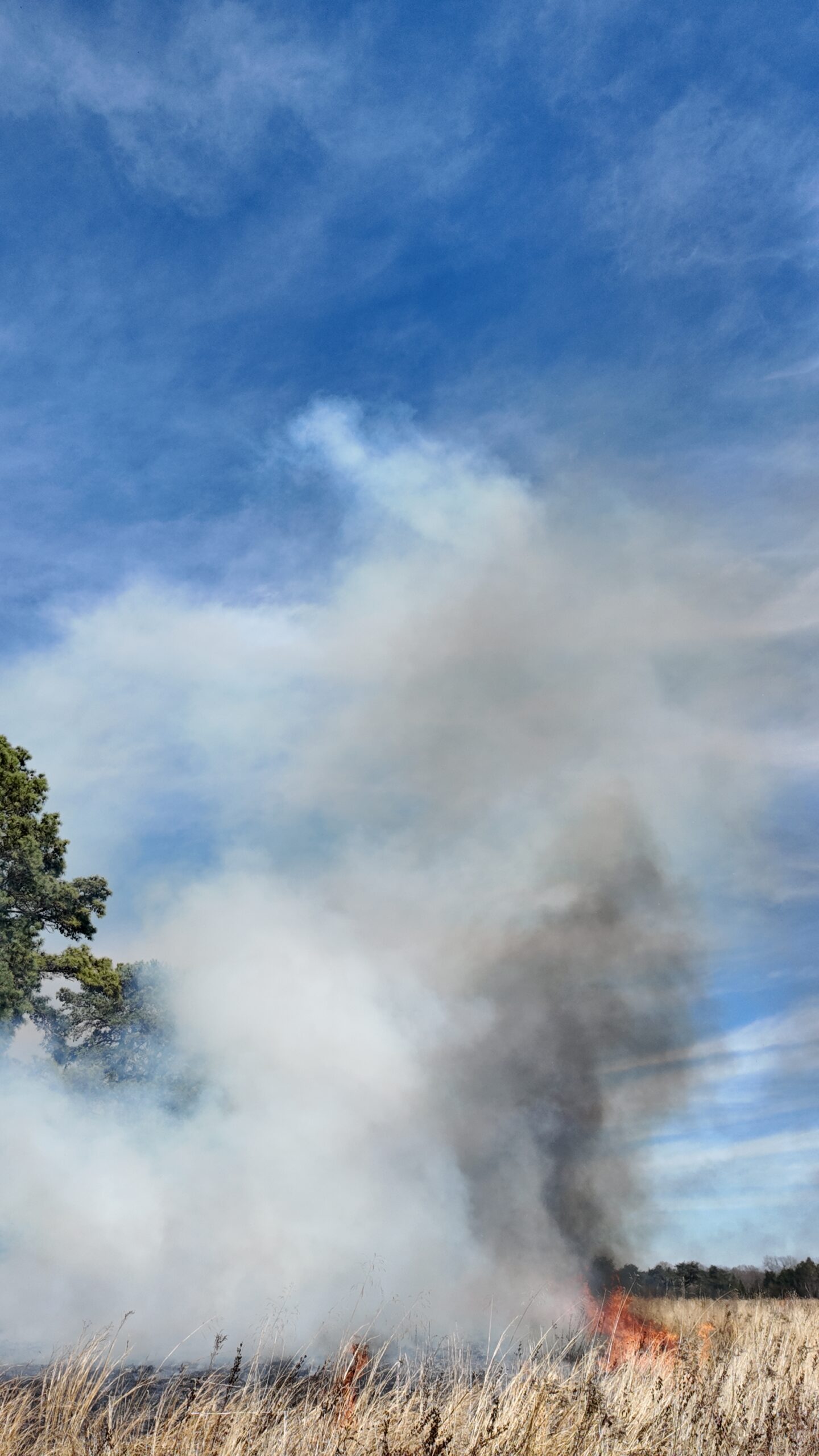
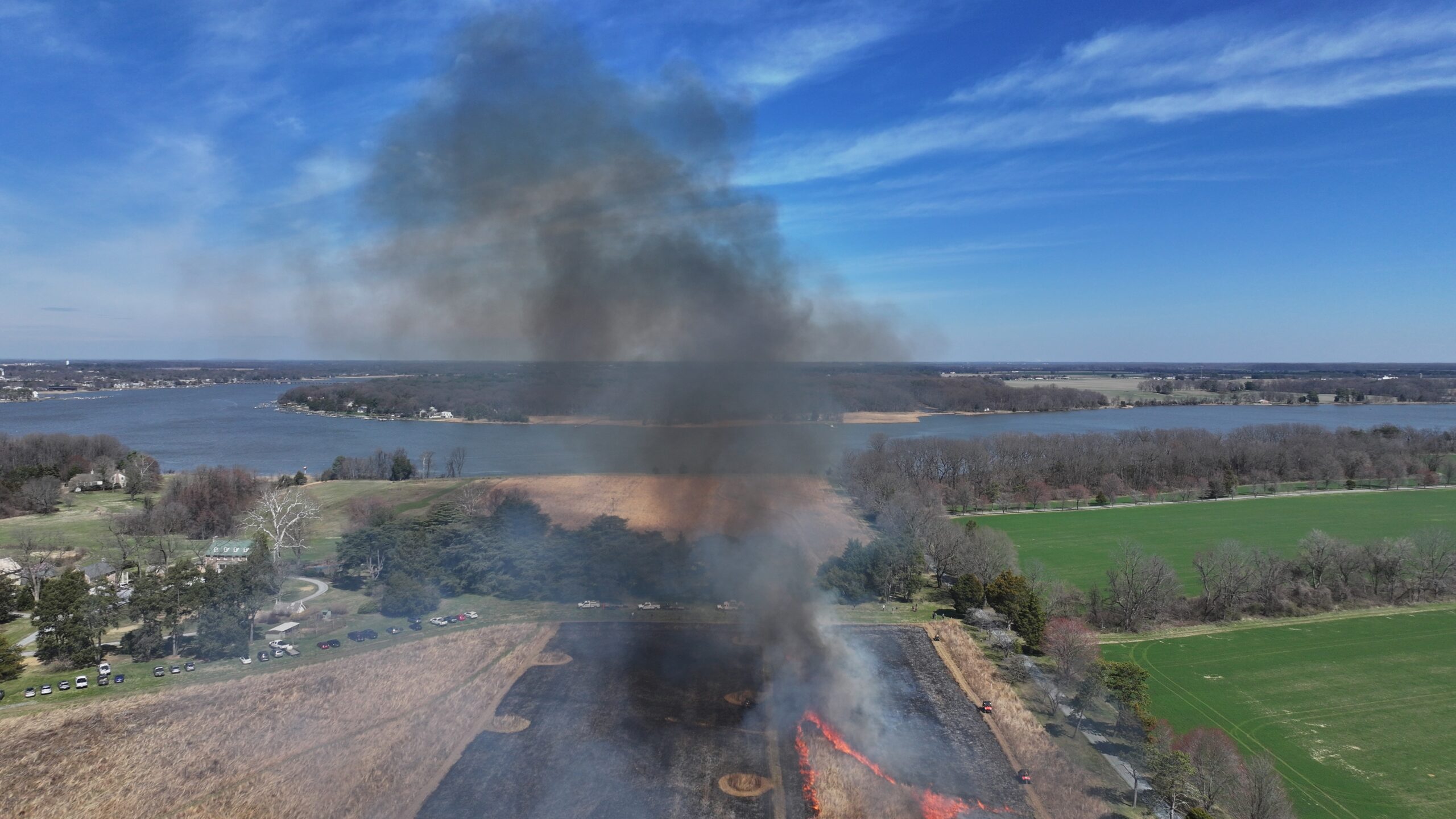
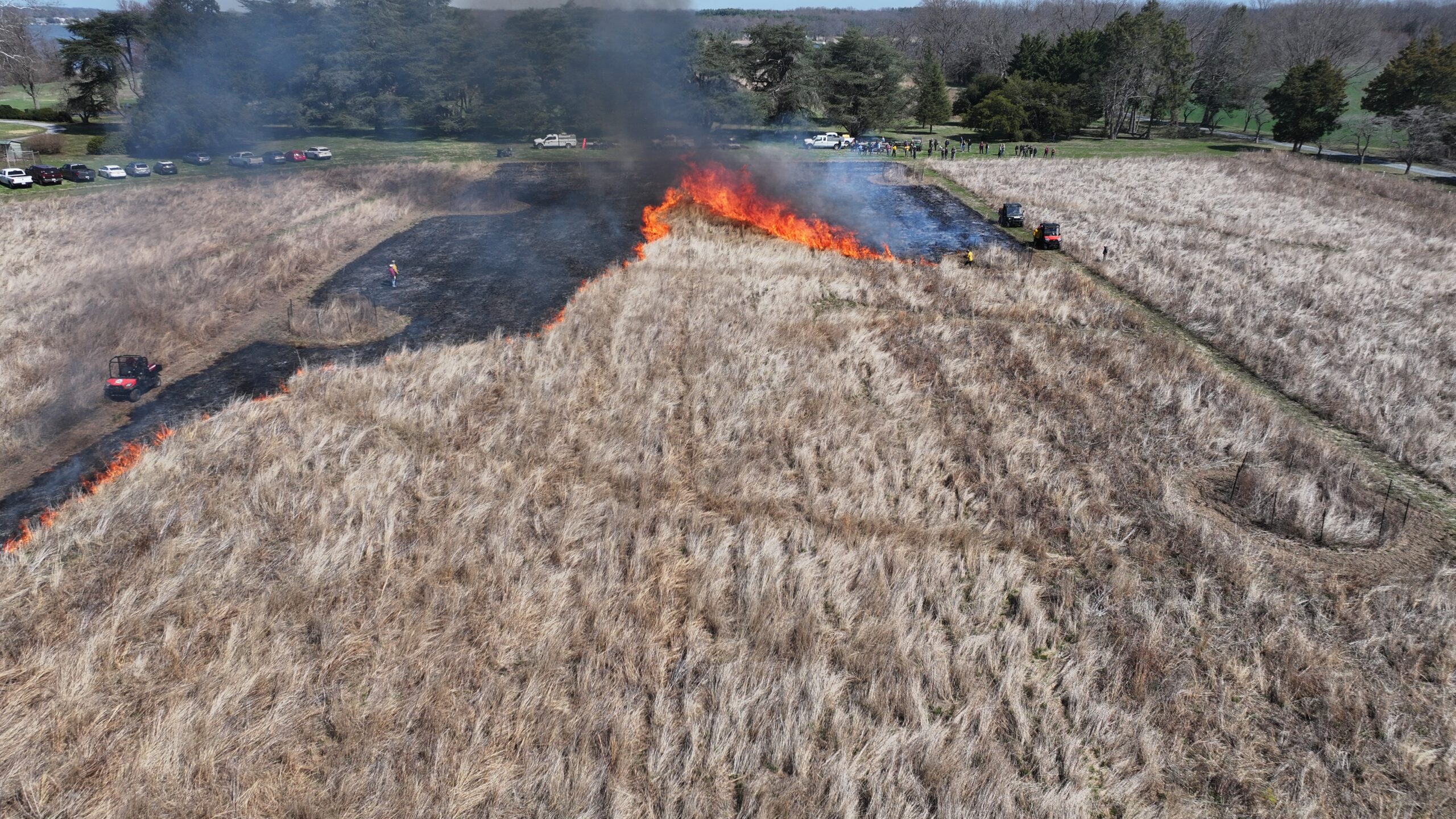
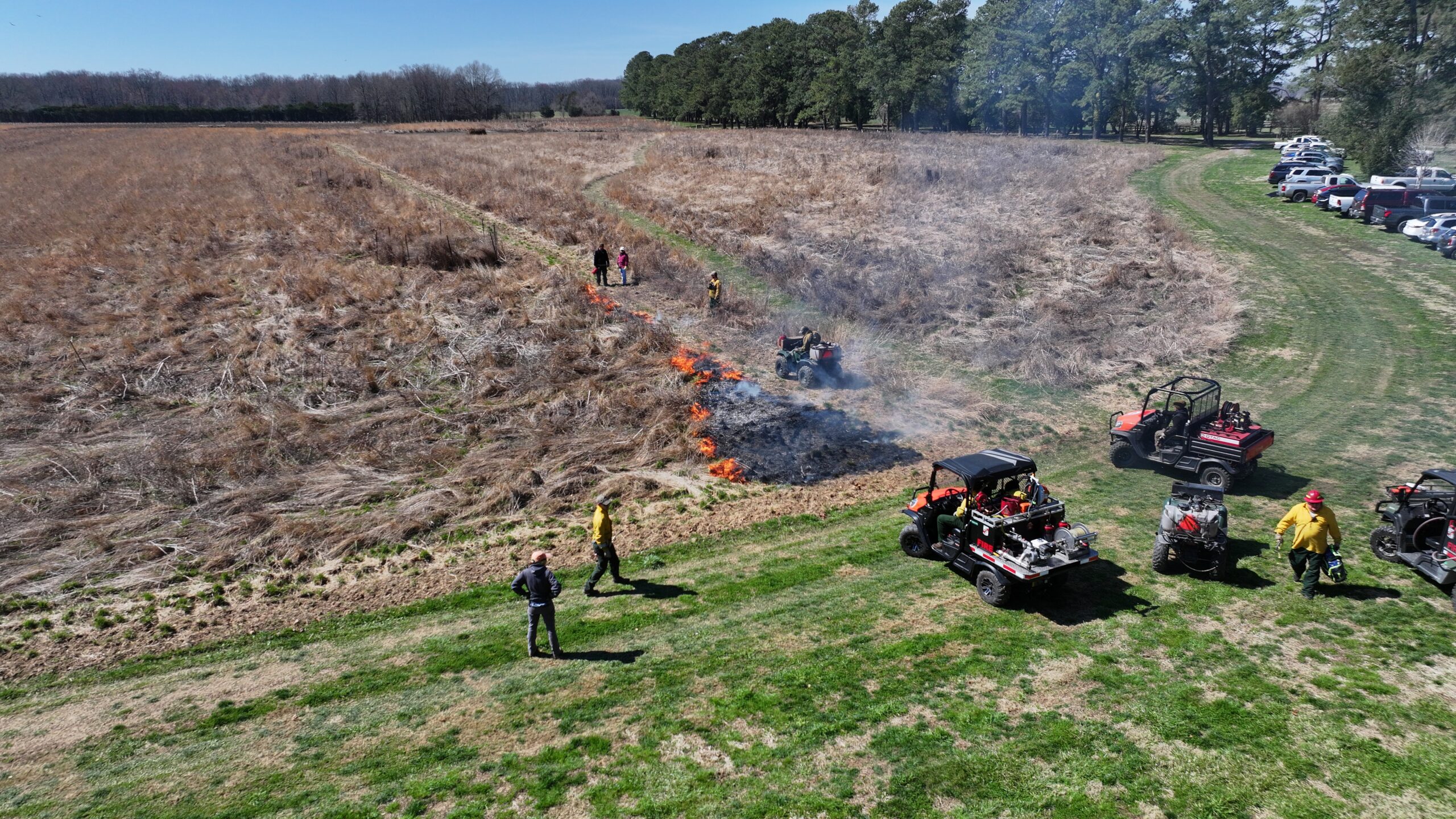
After two reschedules due to unfavorable weather conditions, ESLC, Tall Timbers, The Lieber family, and members of the public finally gathered last Friday at Piney Grove Estate, just outside of Chestertown, for Burning for Birds, a prescribed fire live demonstration “learn and burn” event supported by Cornell Lab of Ornithology’s Land Trust Bird Conservation Initiative. “We are on every single easement every year, boots on the ground, talking to landowners about what they want to achieve on the landscape,” remarked Steve Kline. “If our landowners, who are obviously conservation-focused, want to do things like burning to enhance wildlife activity, we want to get them into the right hands.”

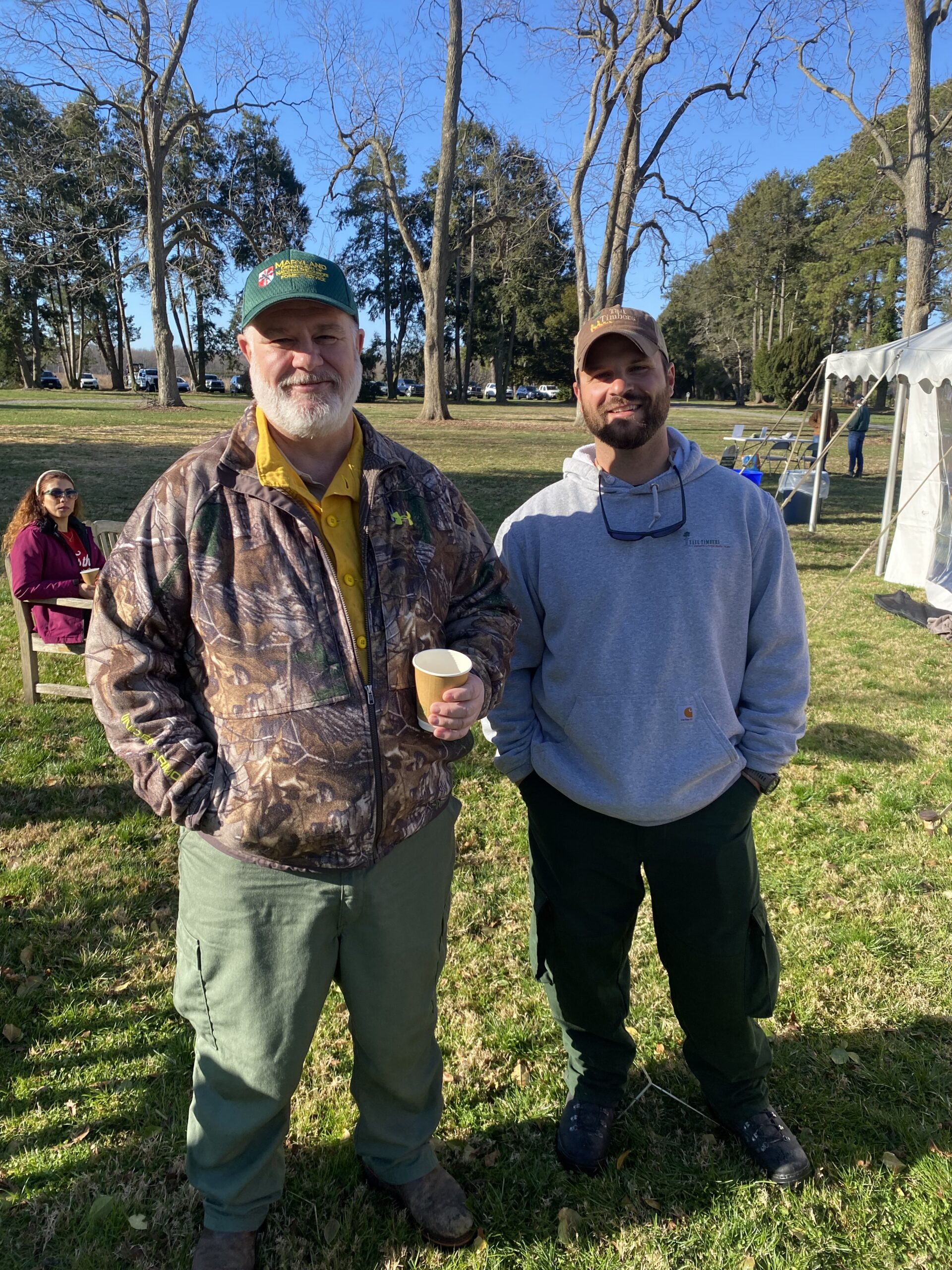
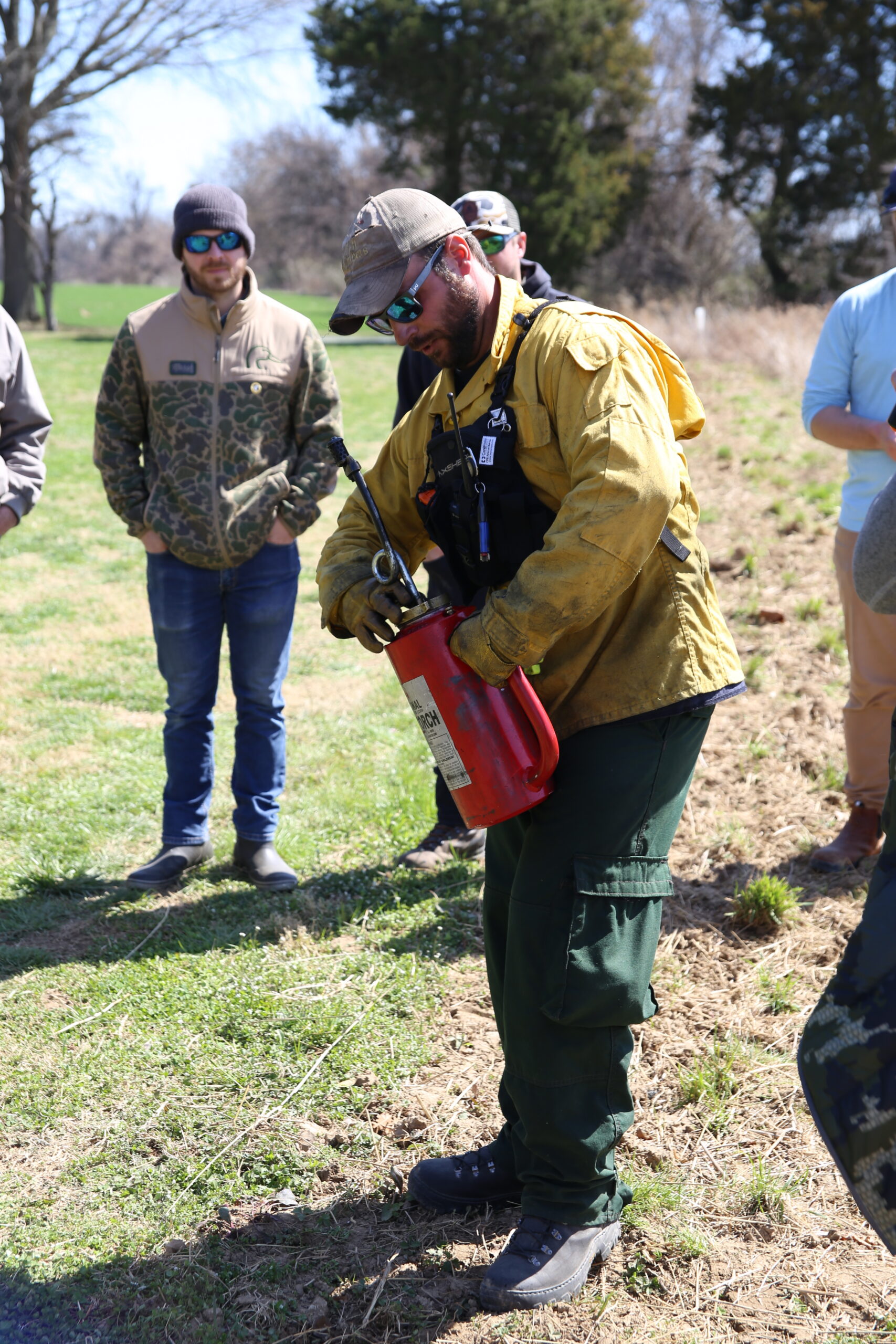
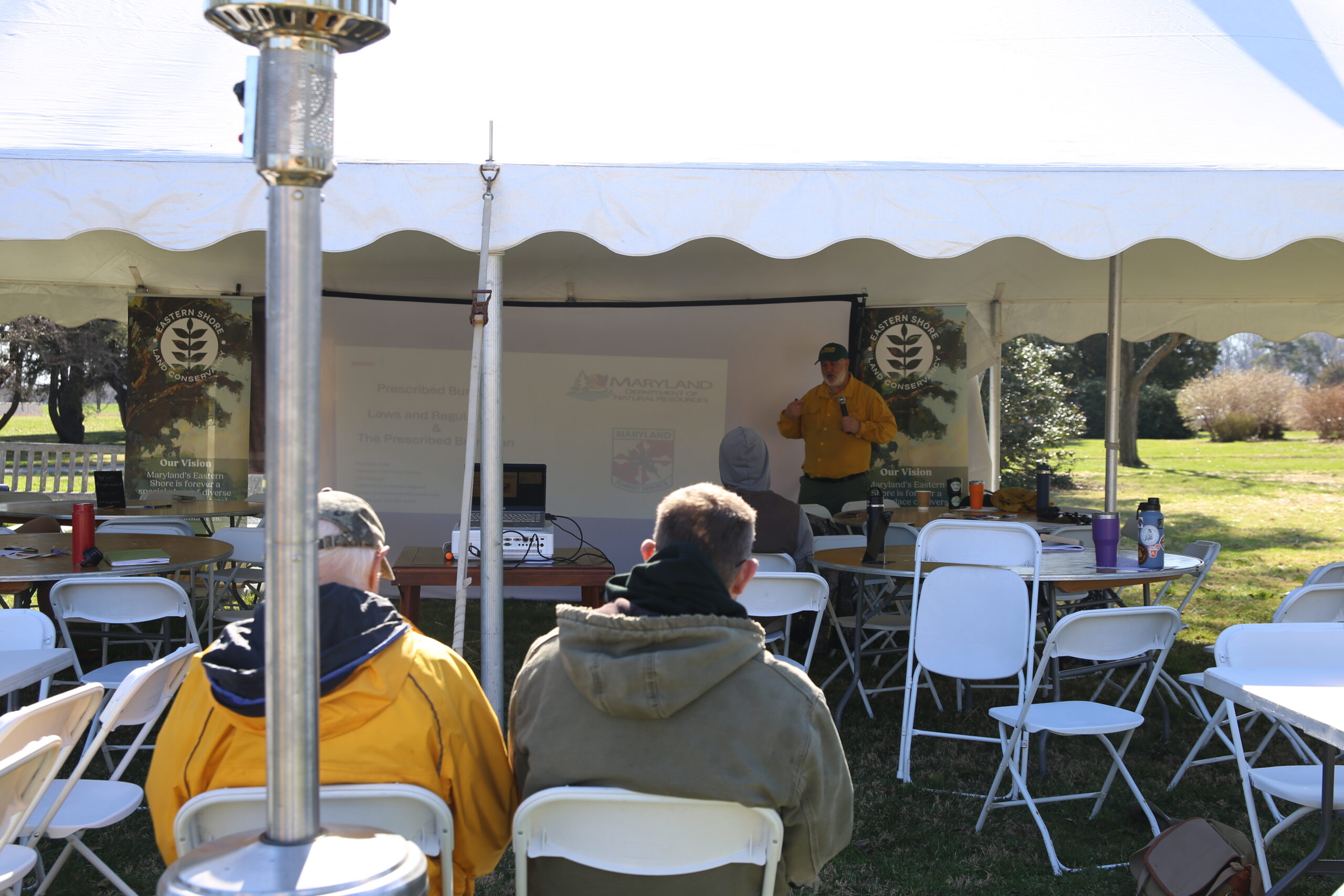
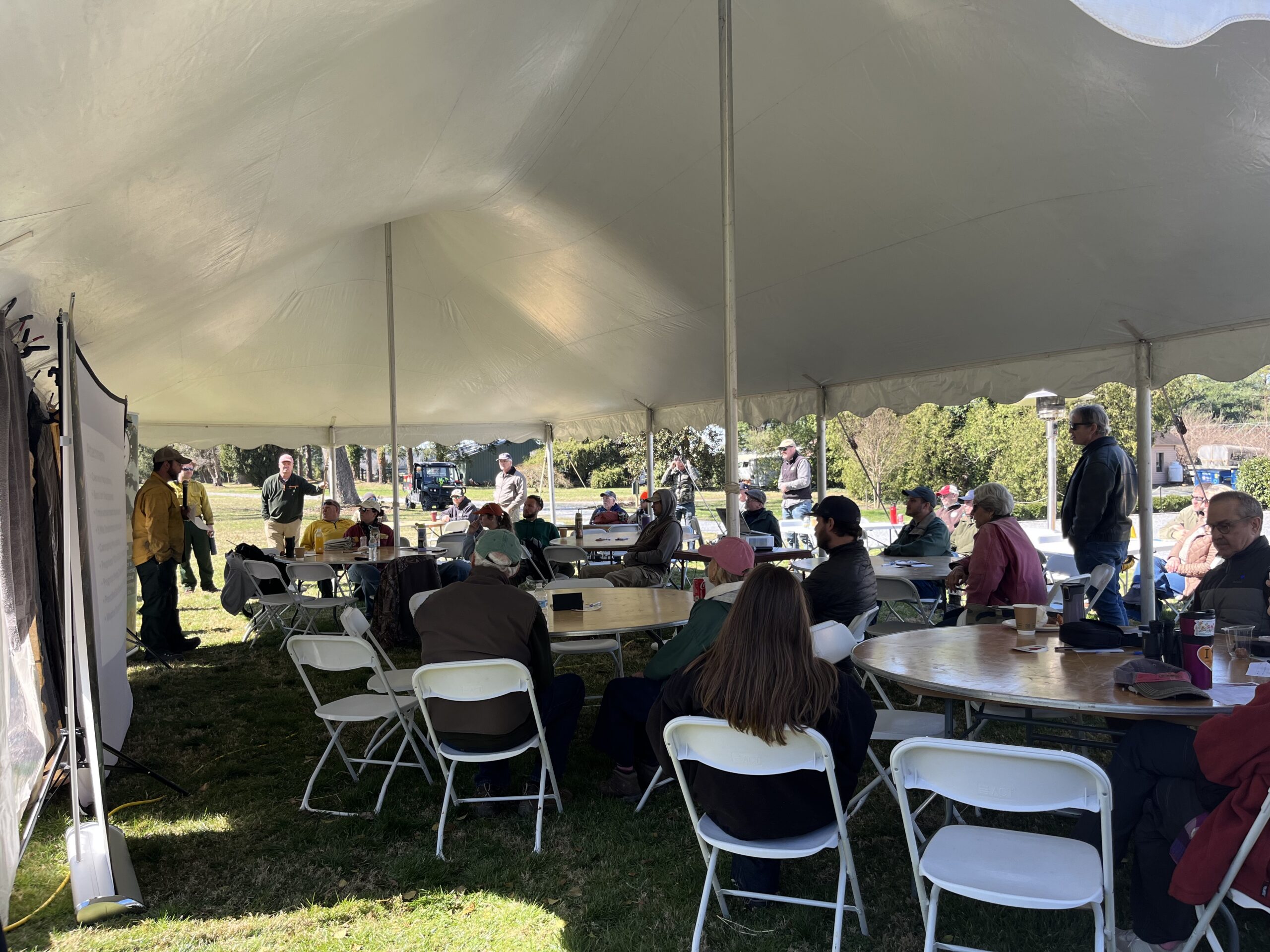
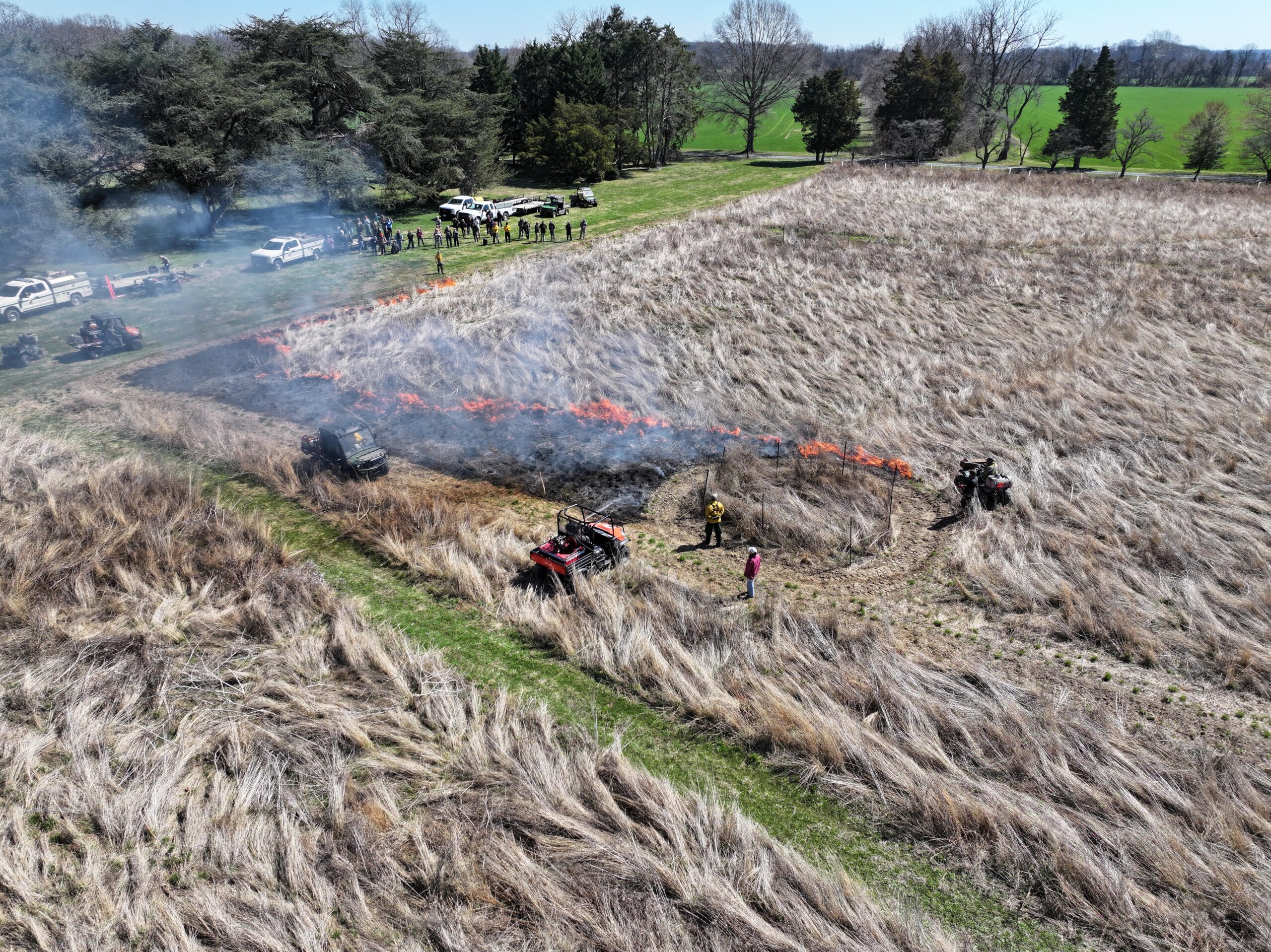
Attendees learned about the safe and efficient use of prescribed fire as a management tool and how its use benefits grassland bird and Northern bobwhite quail habitat. Part discussion and part live demonstration, speakers and participants included ESLC President & CEO Steve Kline, Katherine Thornton of the Natural Lands Project, Shannon Wolfe of the Maryland DNR Forest Service, Kyle Madgziuk of Tall Timbers, Kelsie Fronheiser of the Kent Soil and Water Conservation District, Luke Macaulay of University of Maryland, and Jack Hutchison of Quail Forever and the Natural Resource Conservation Service.

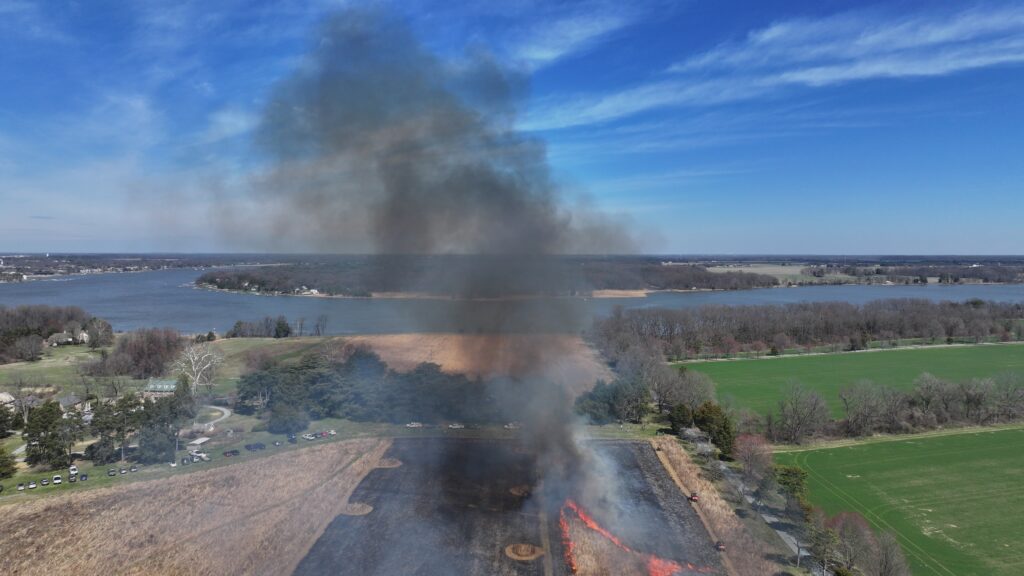
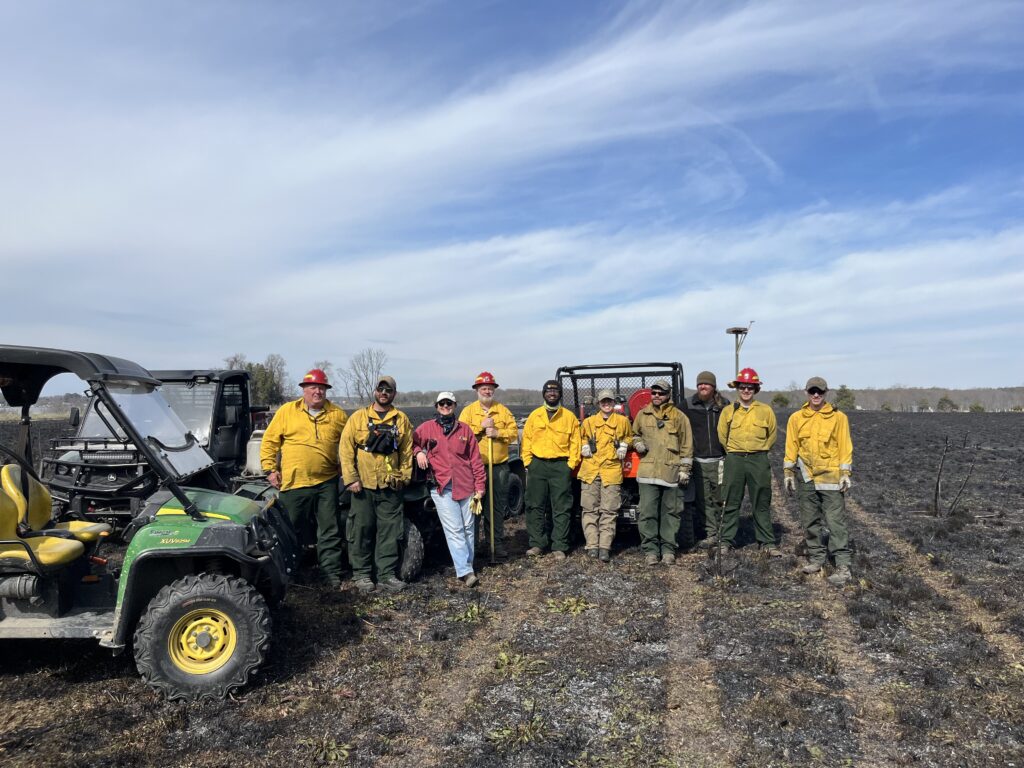
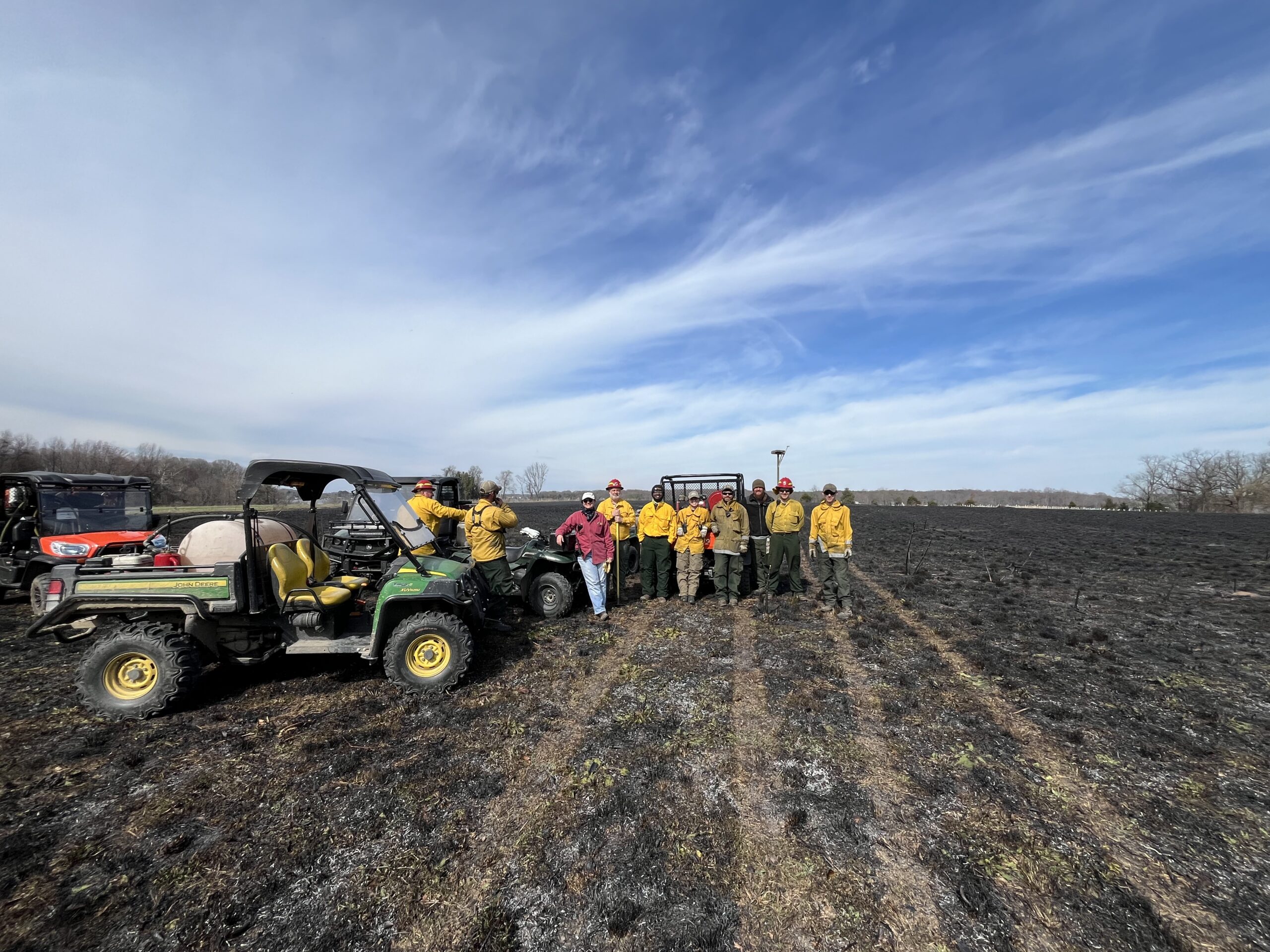
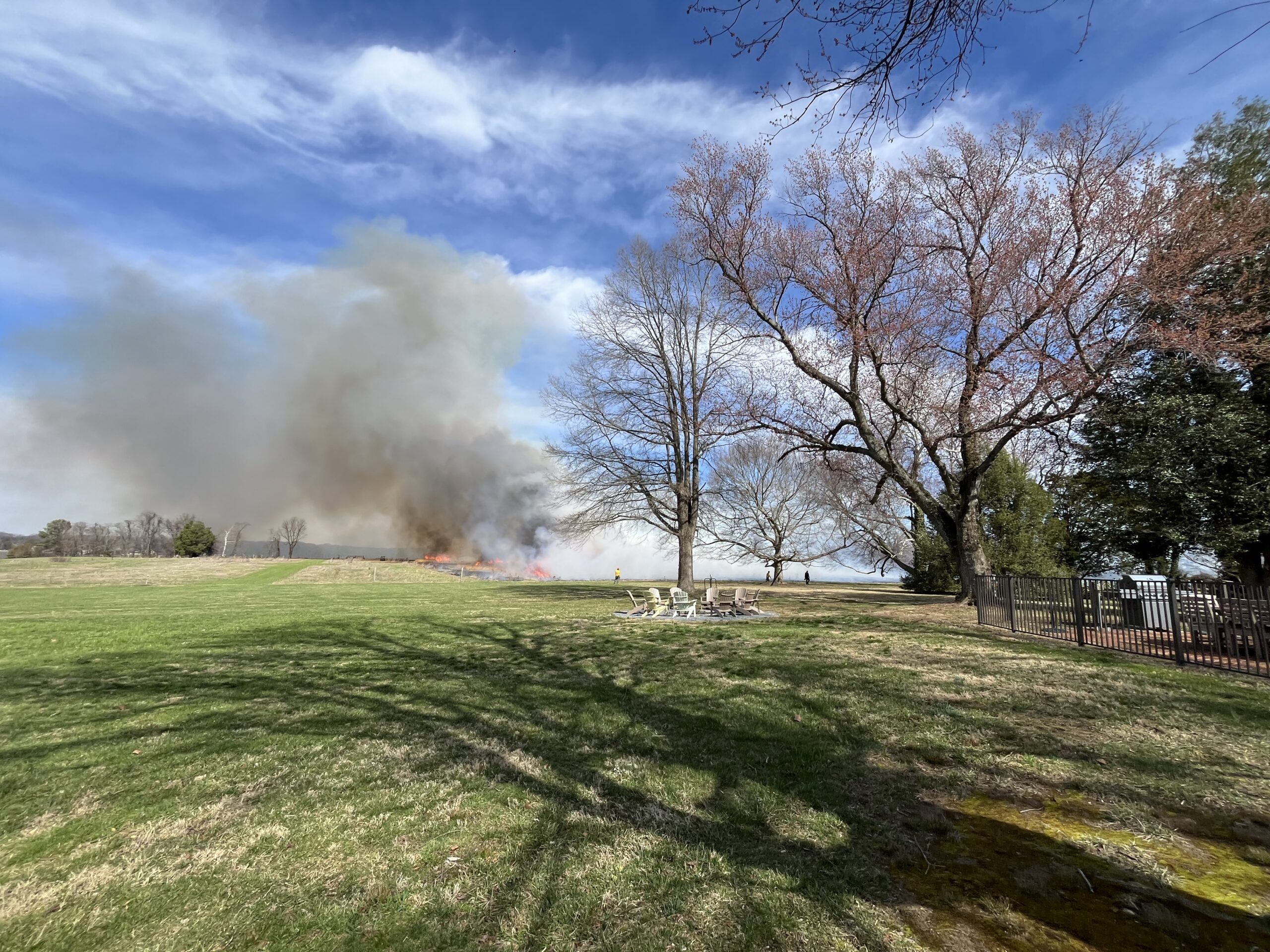
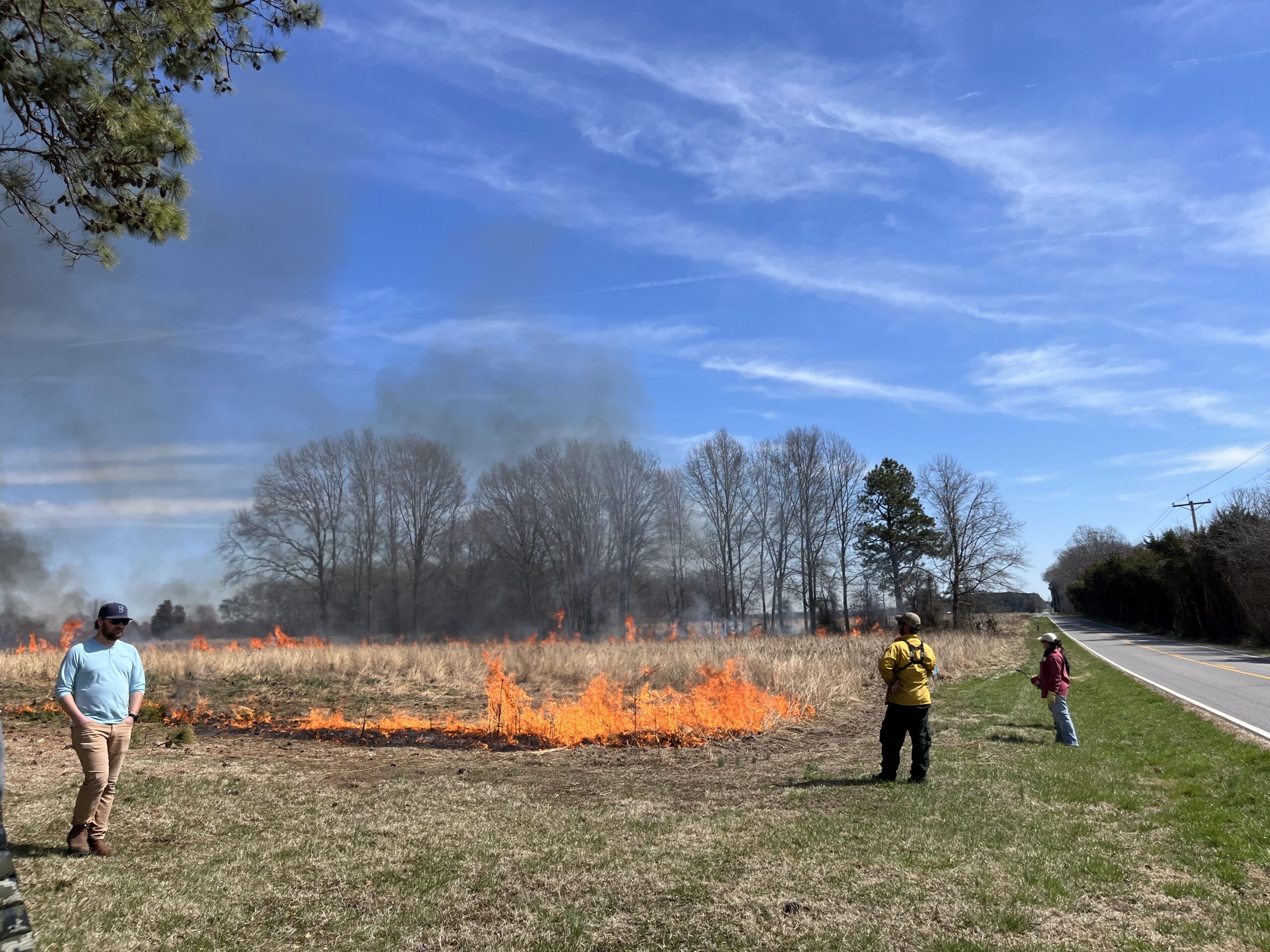
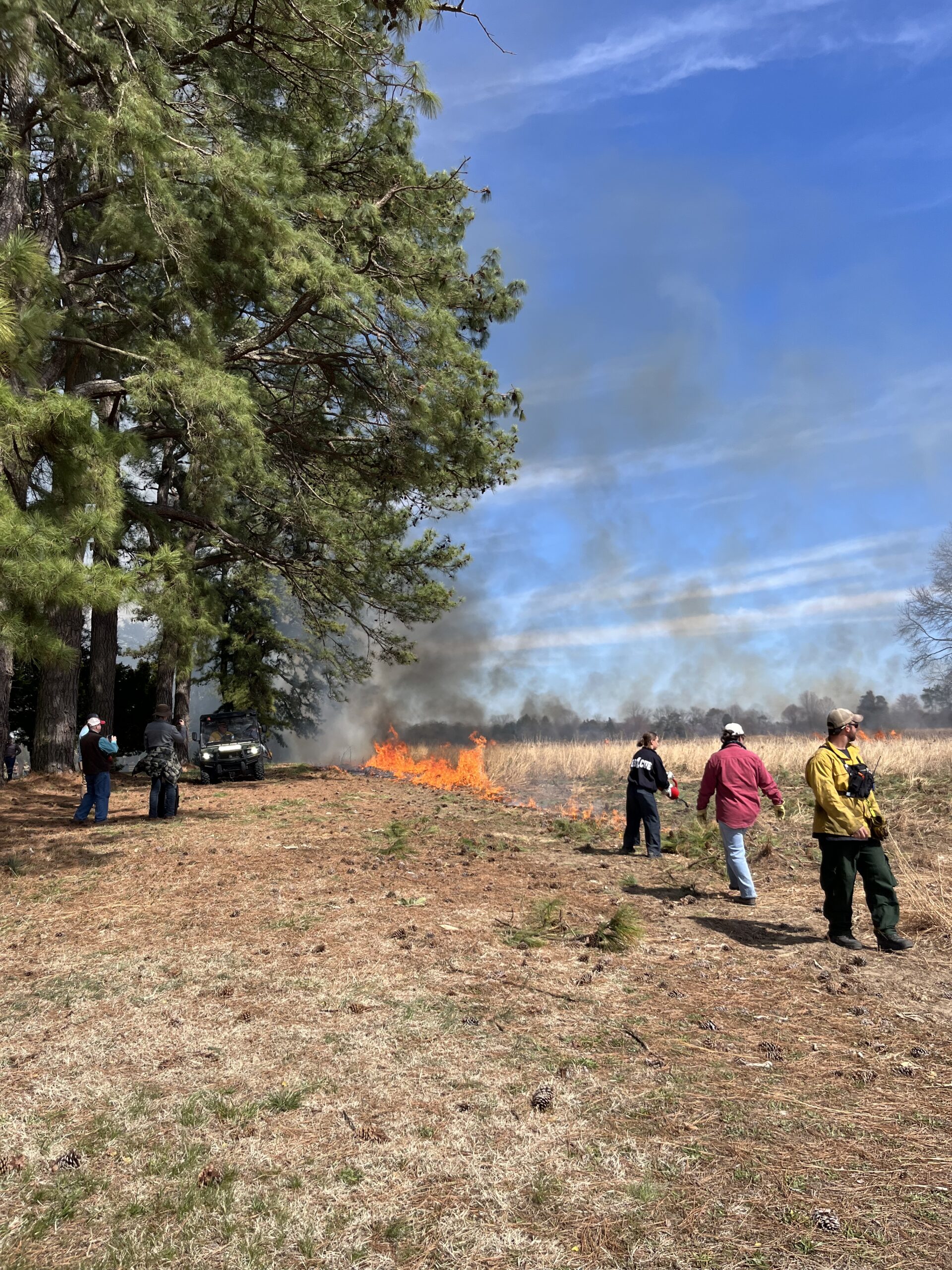
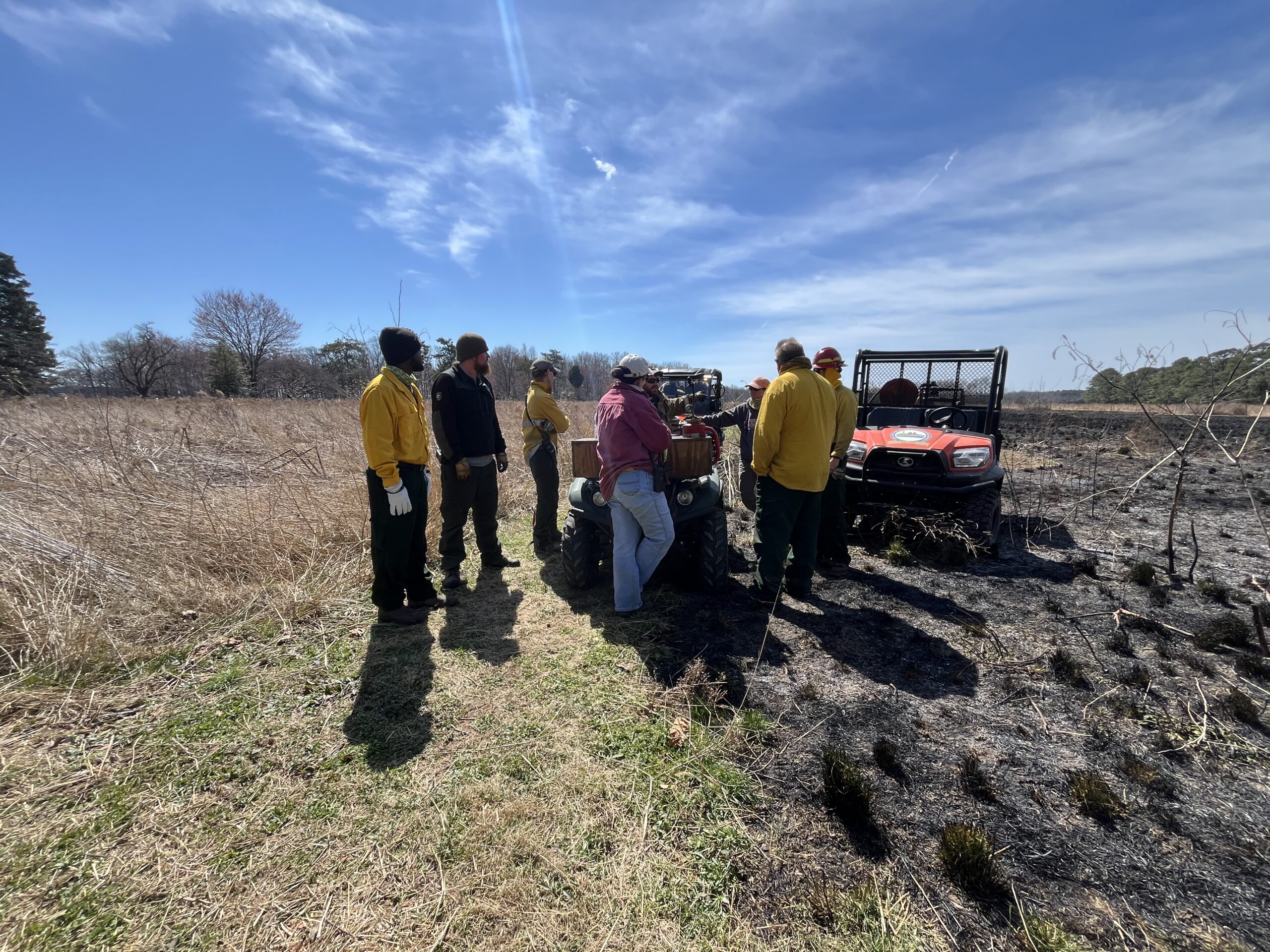
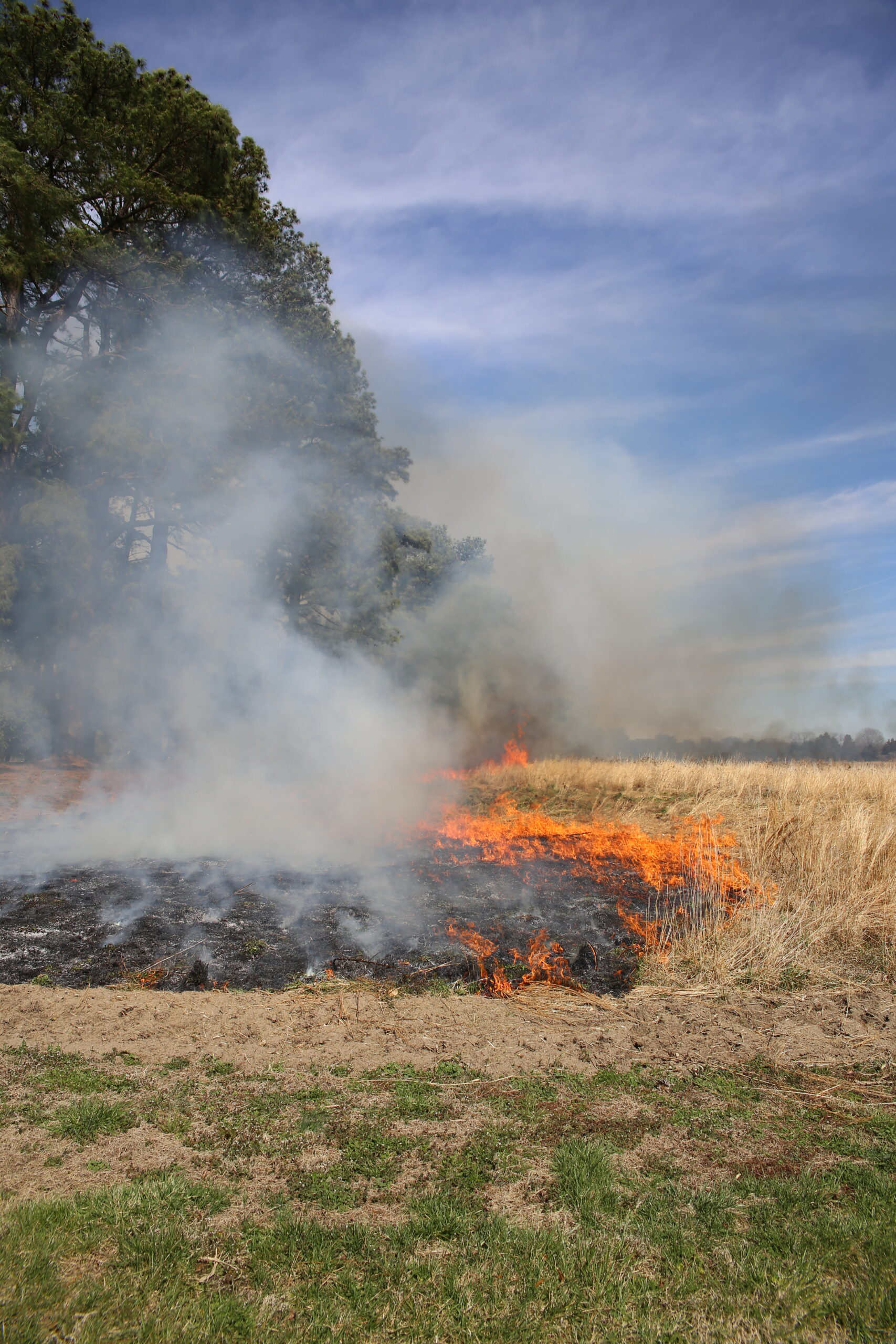
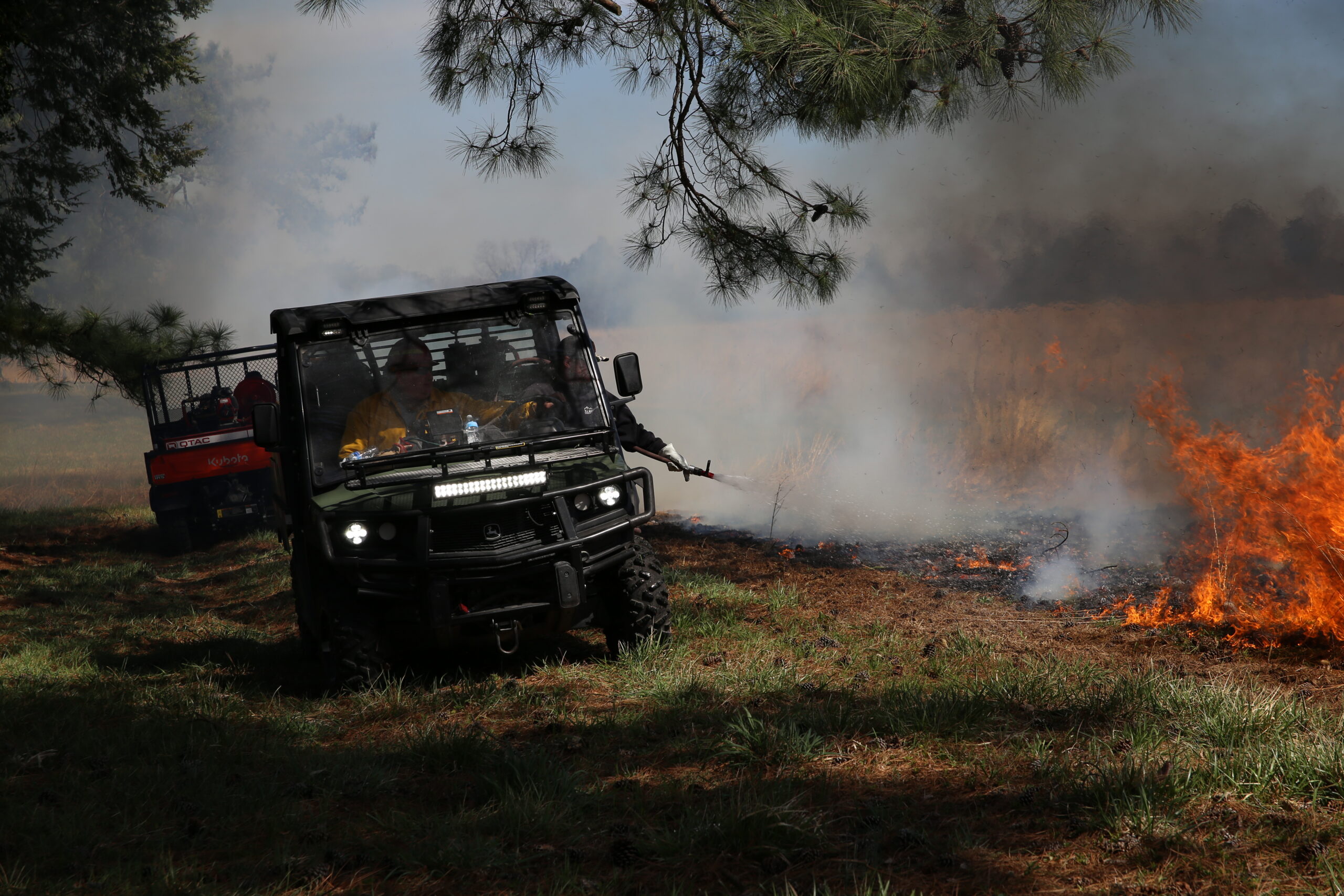
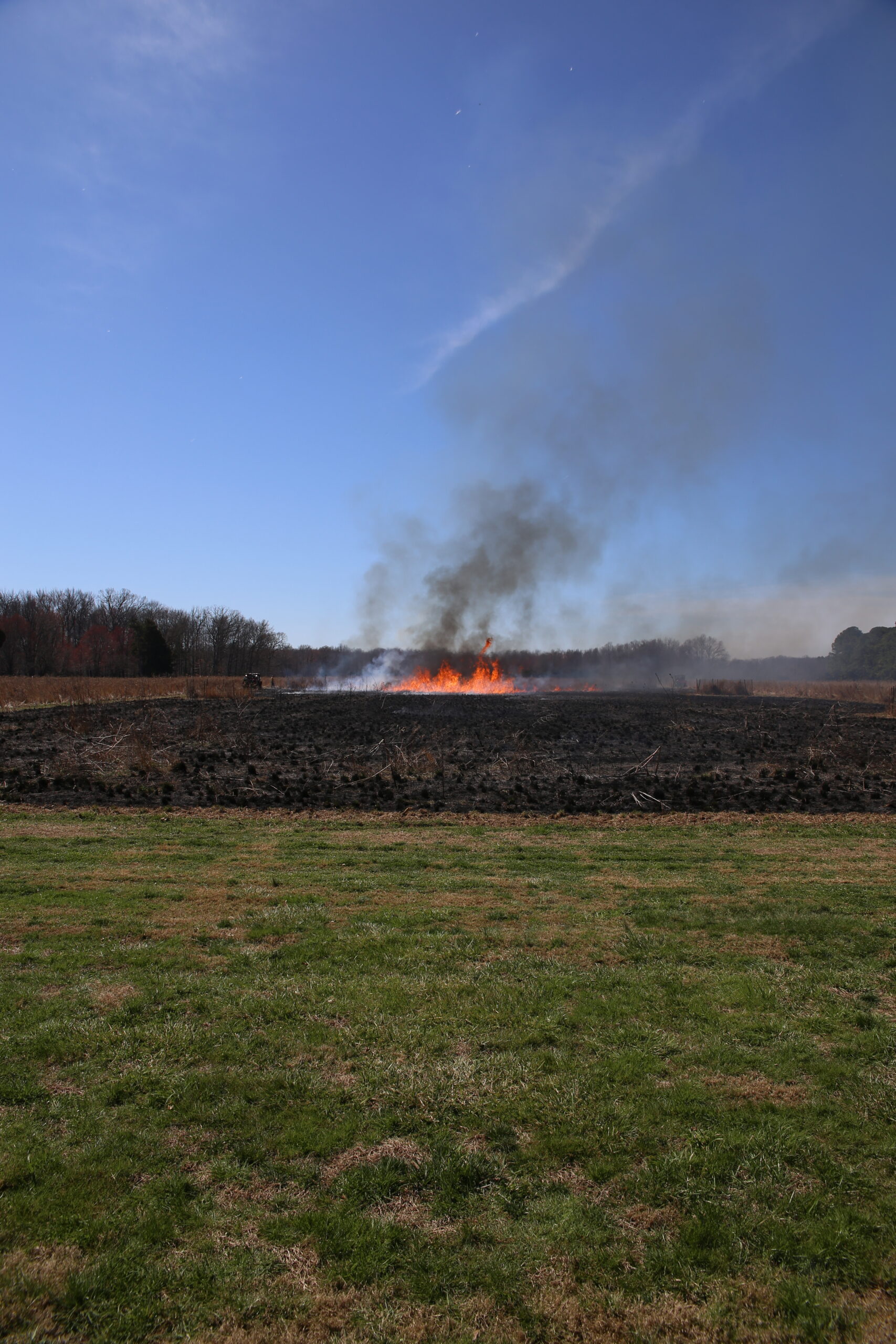
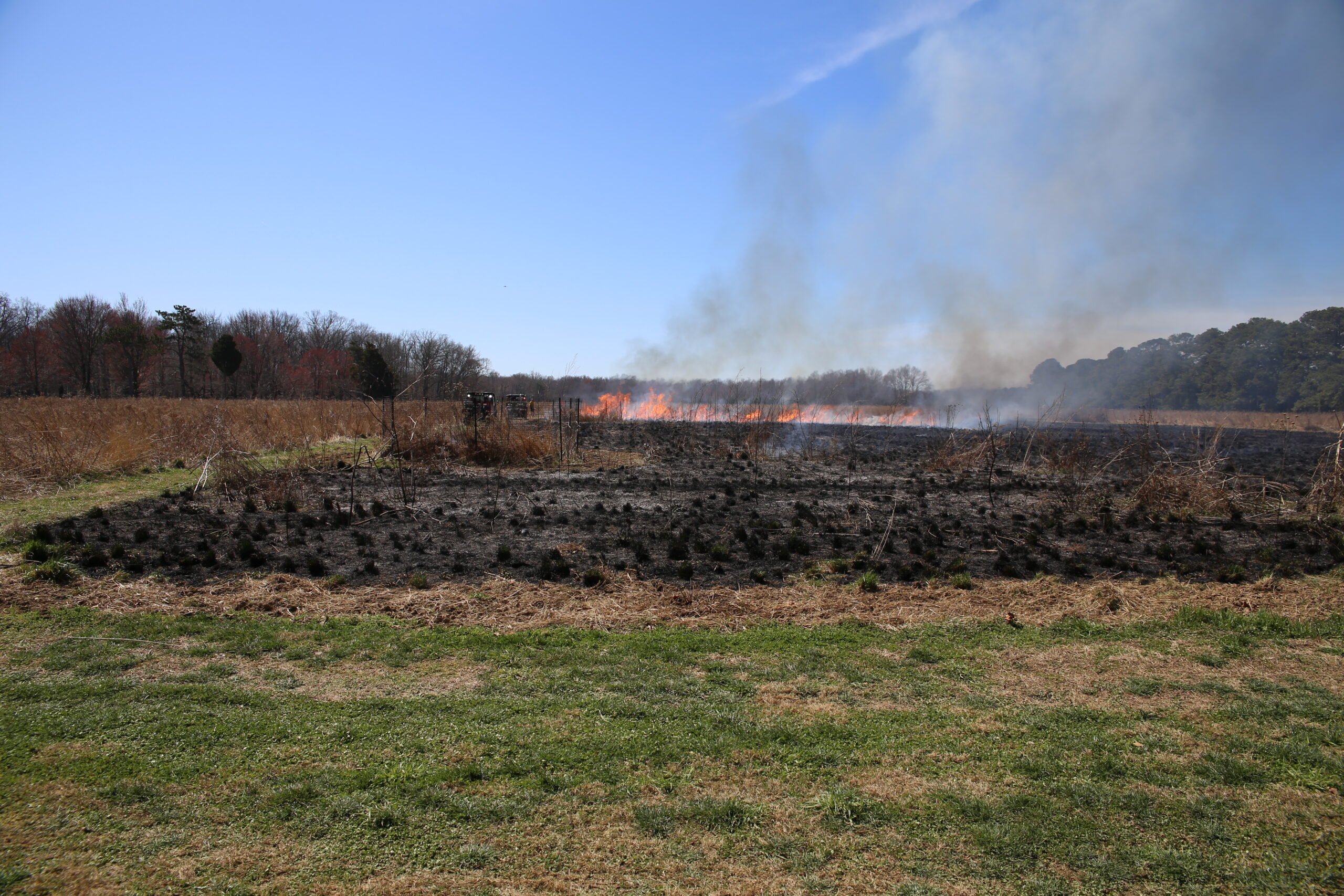
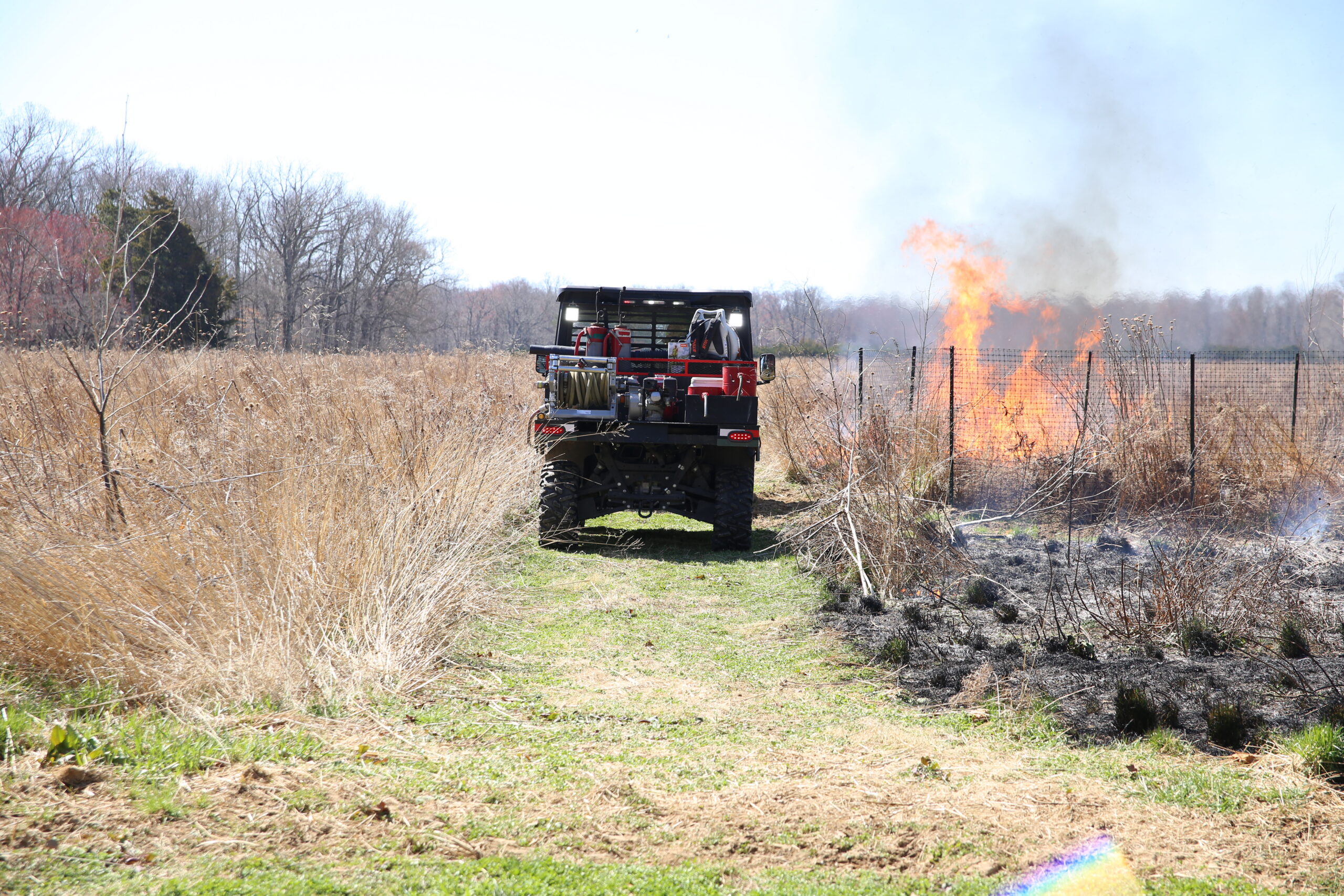
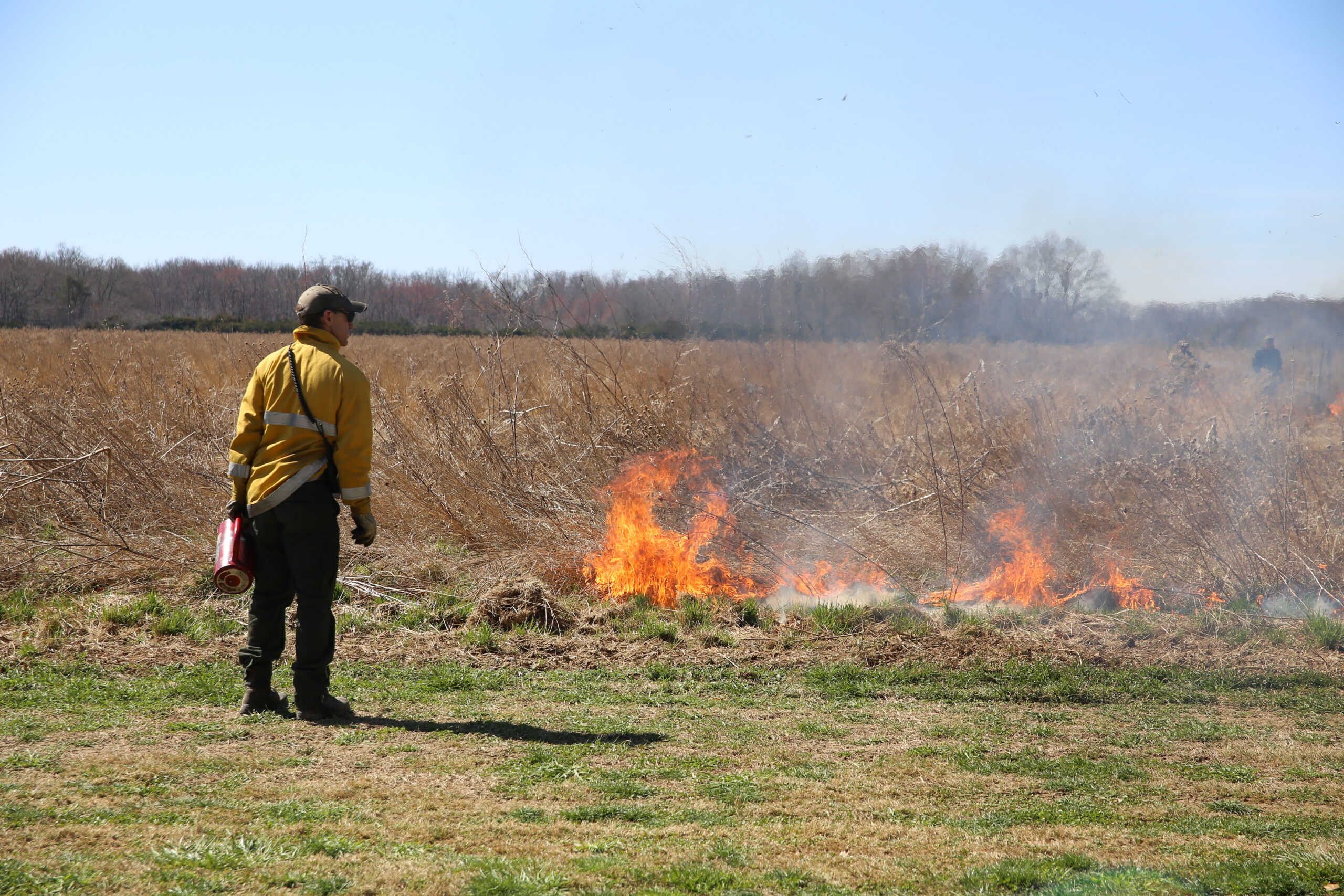
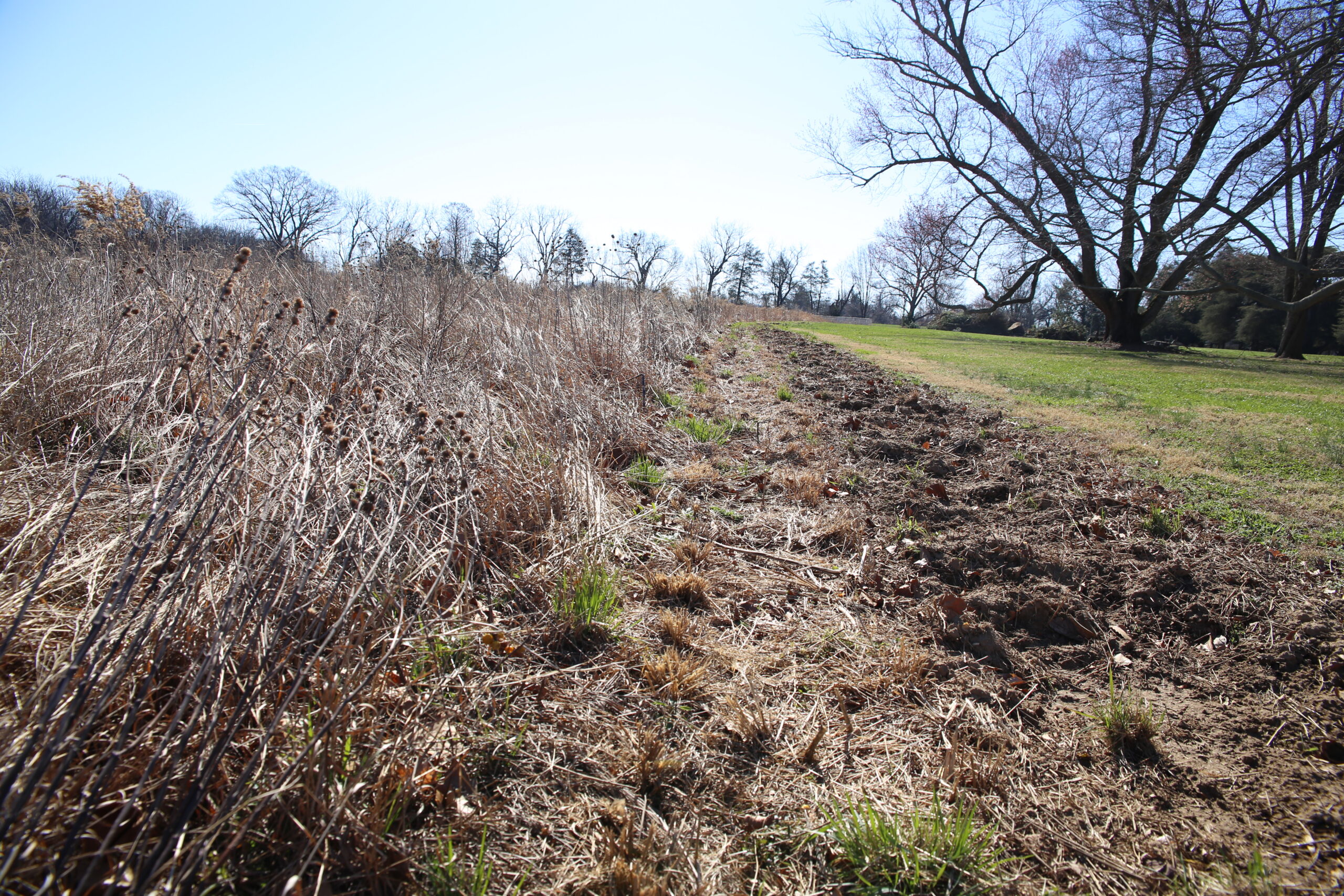
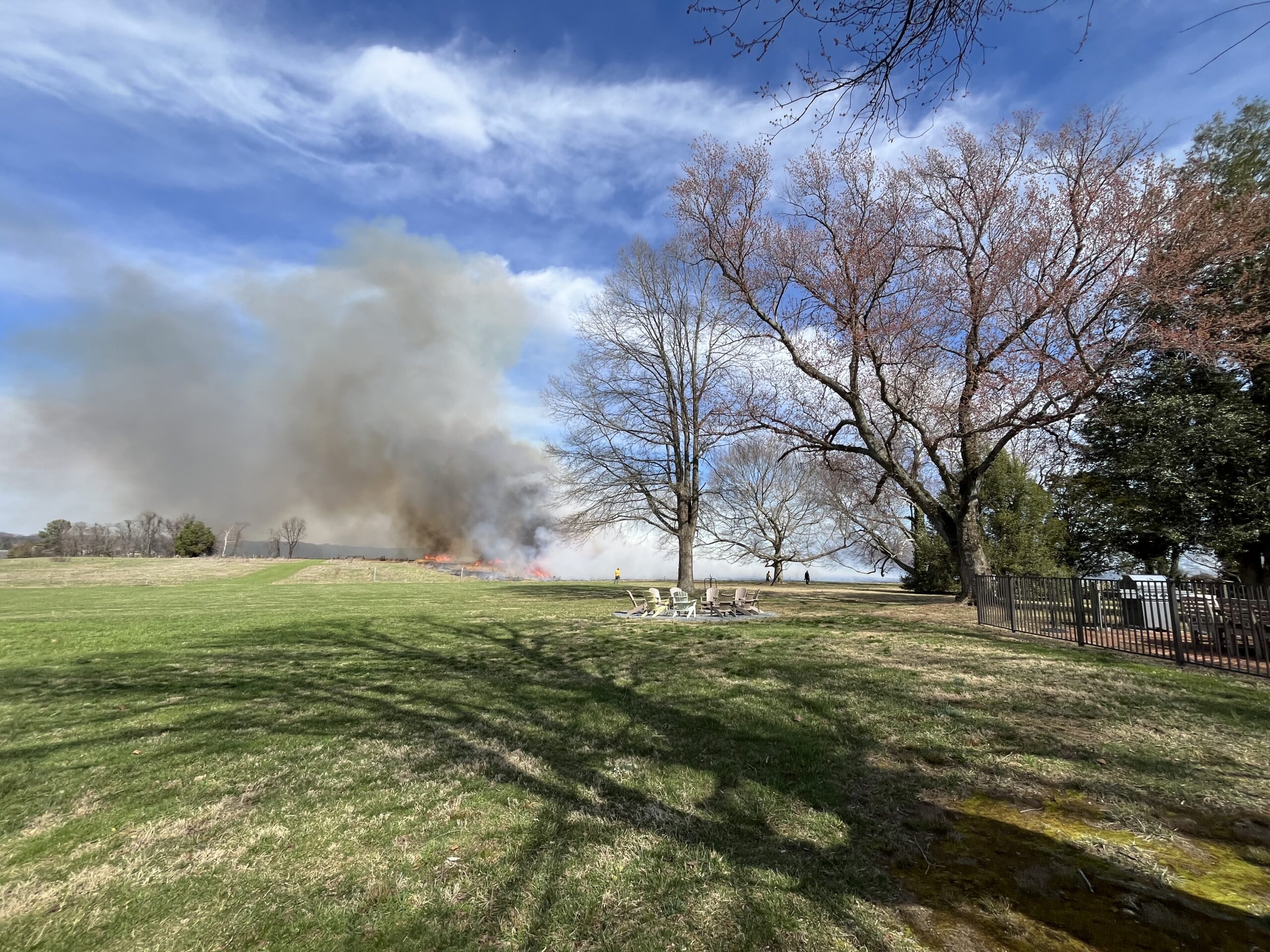
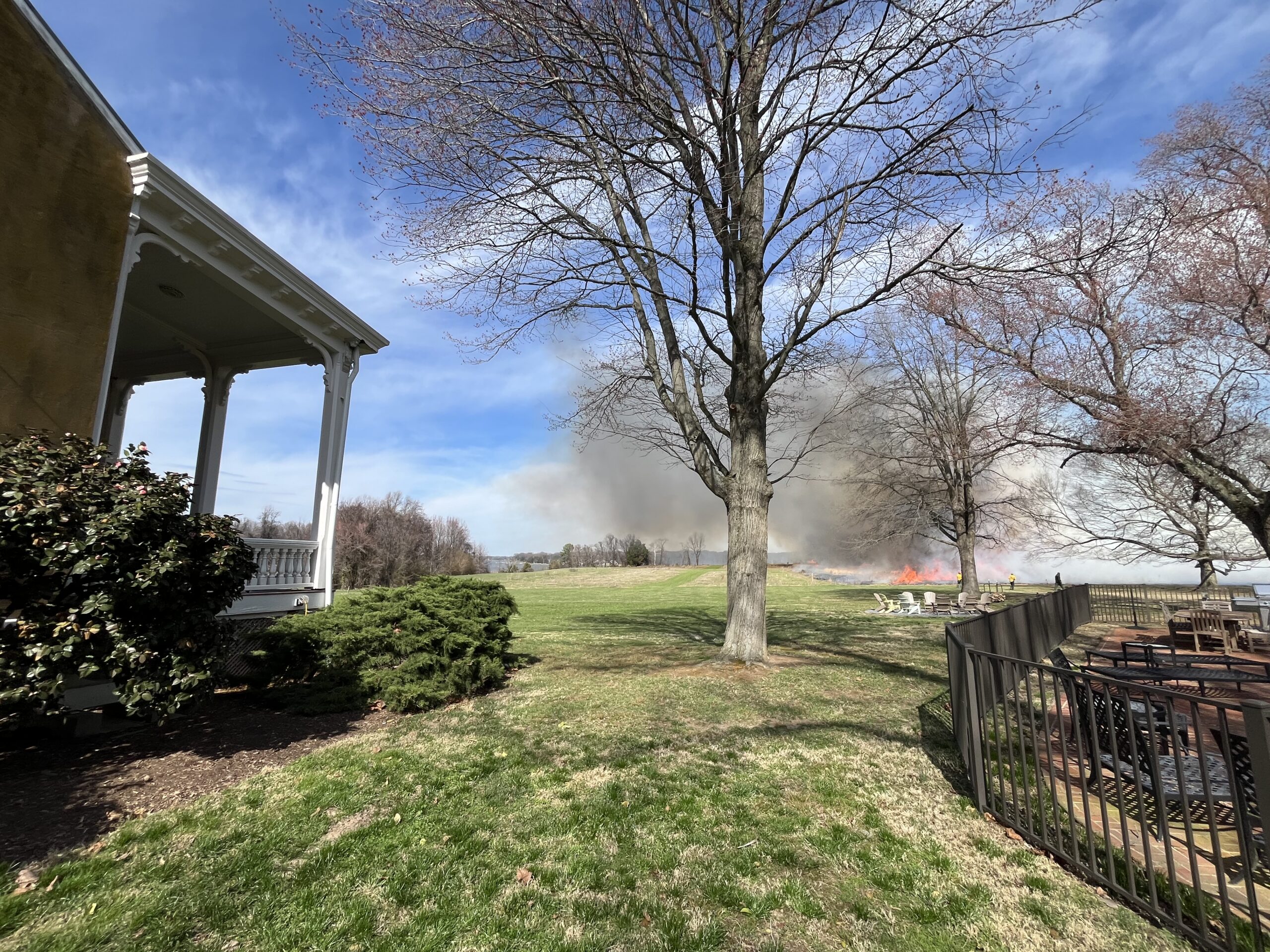
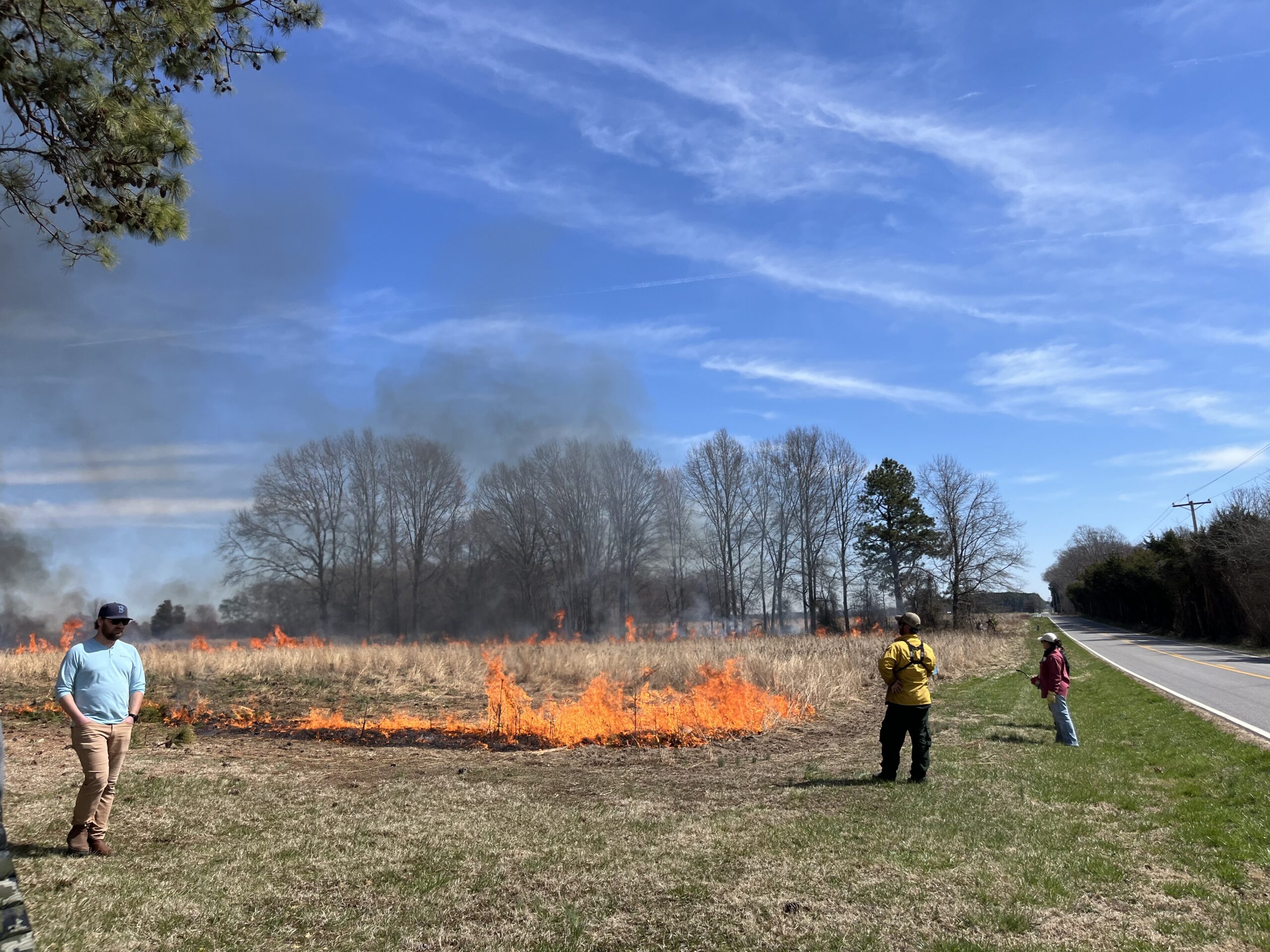
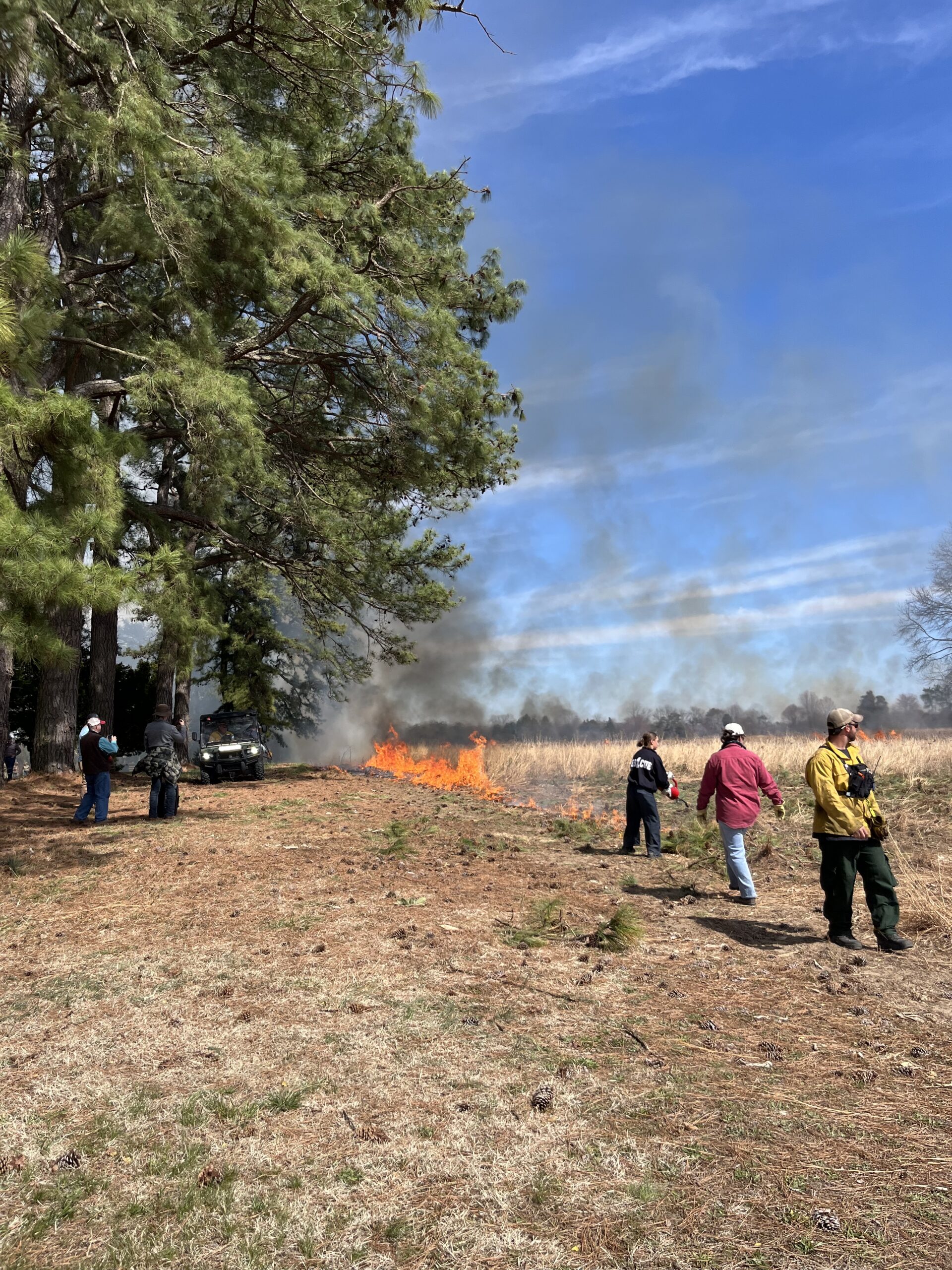
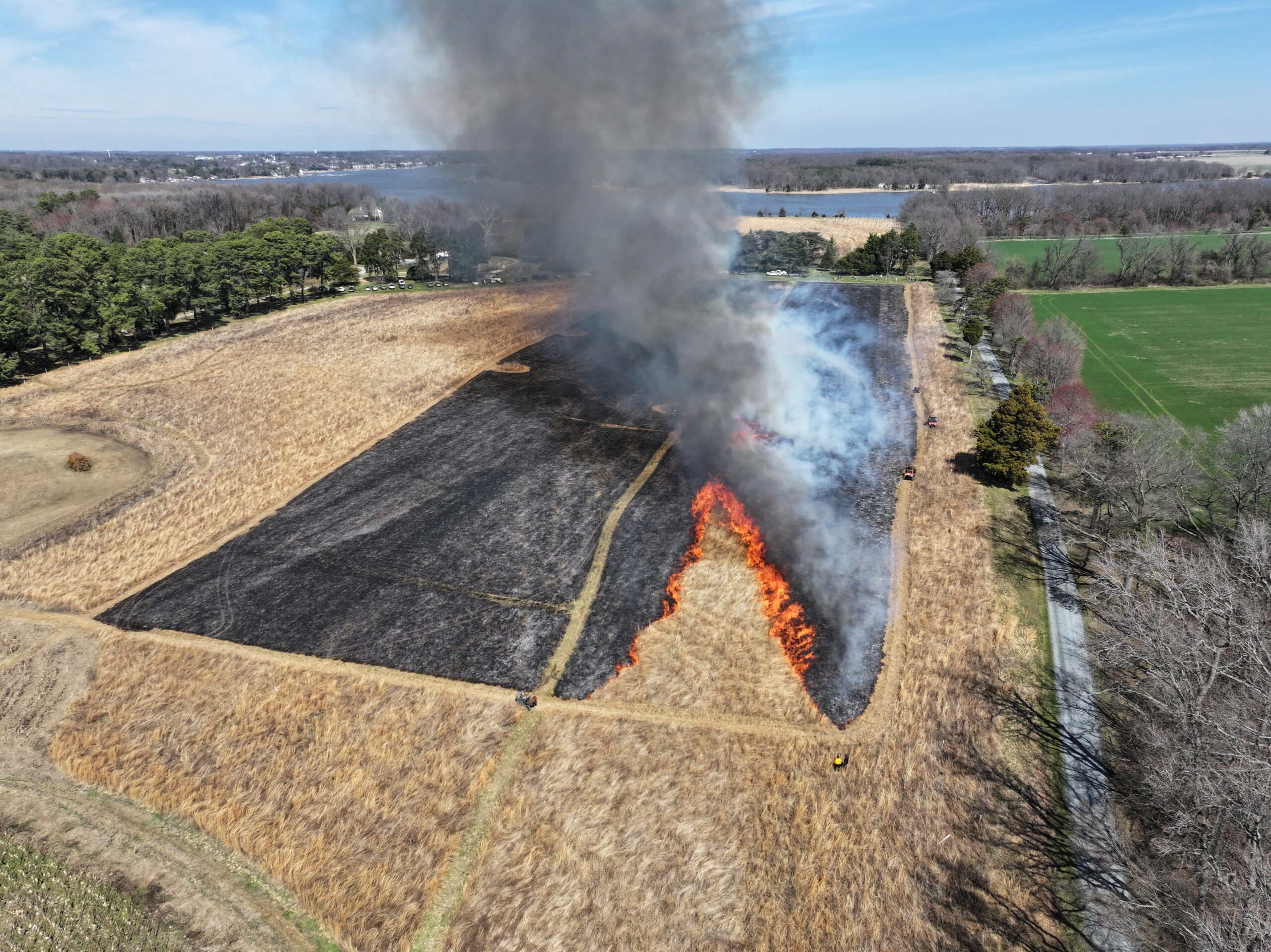
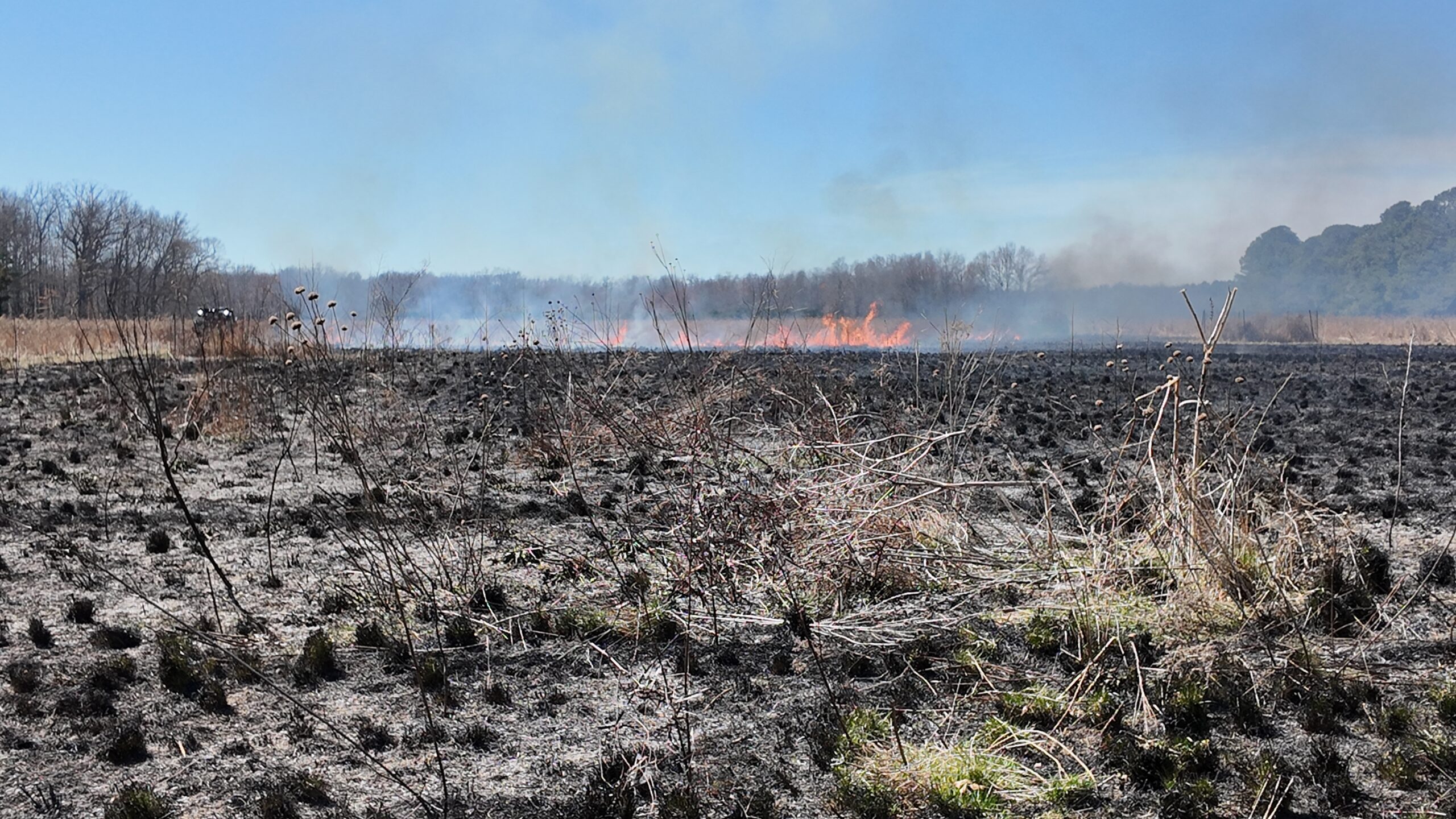
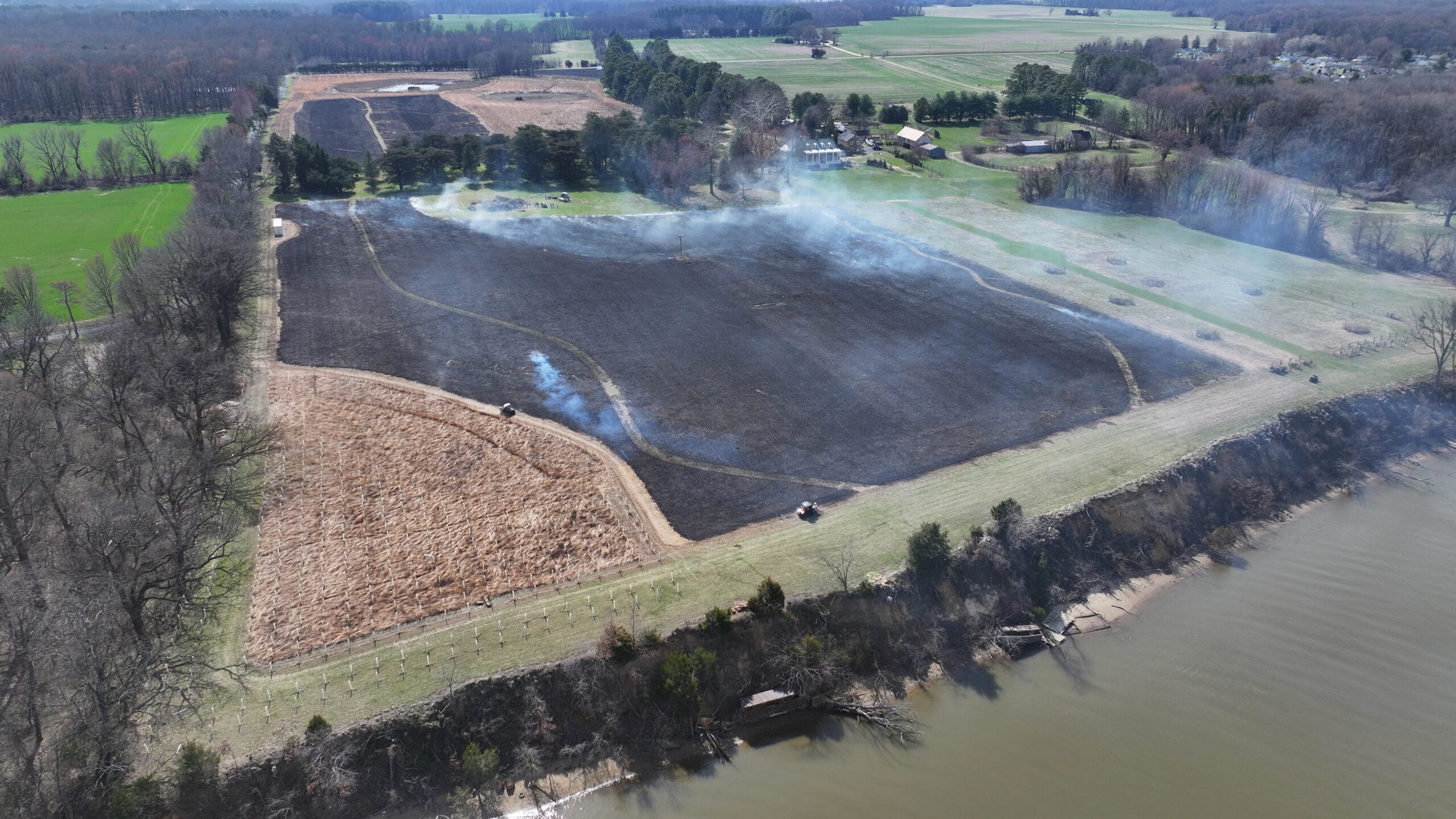
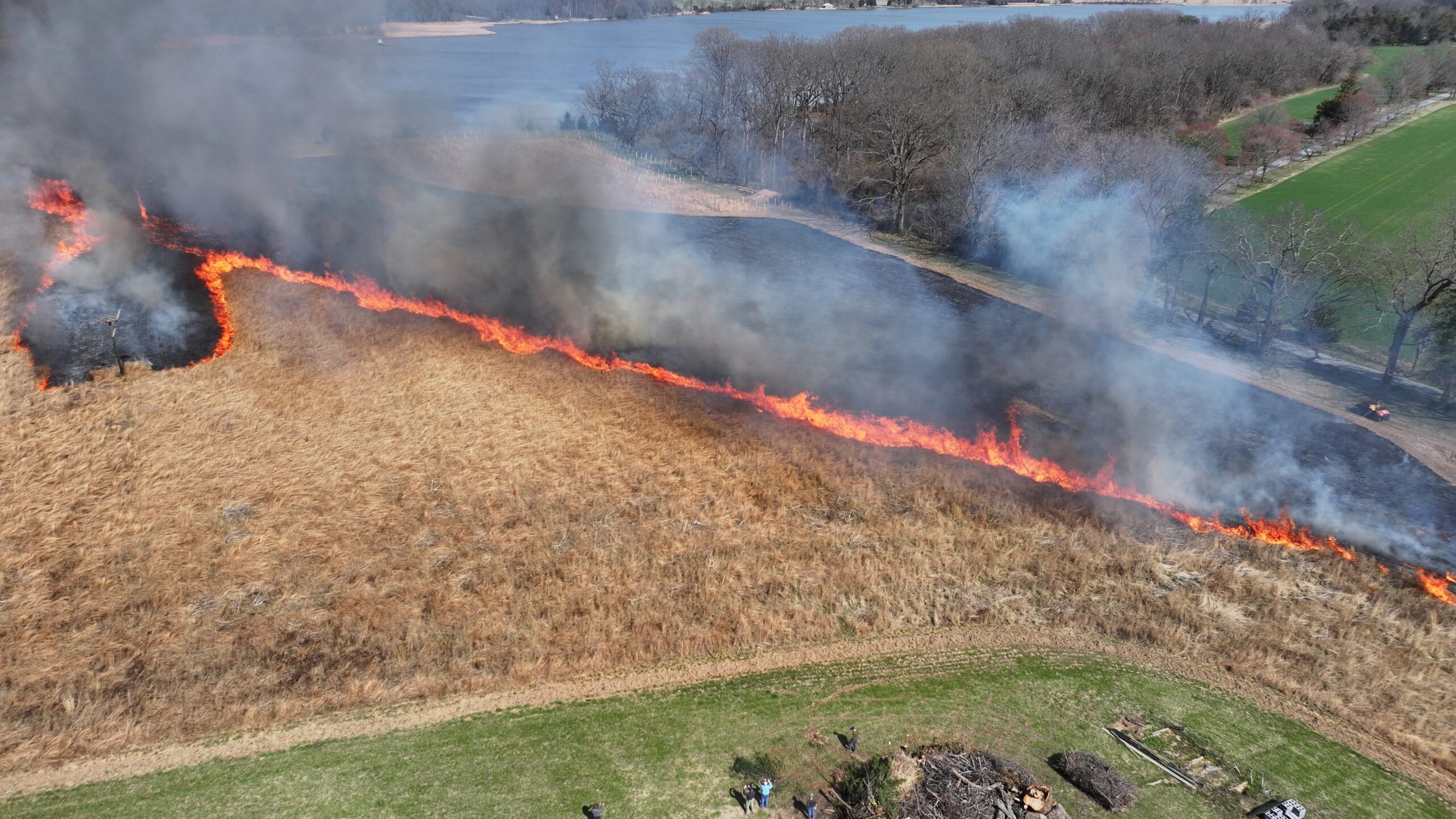
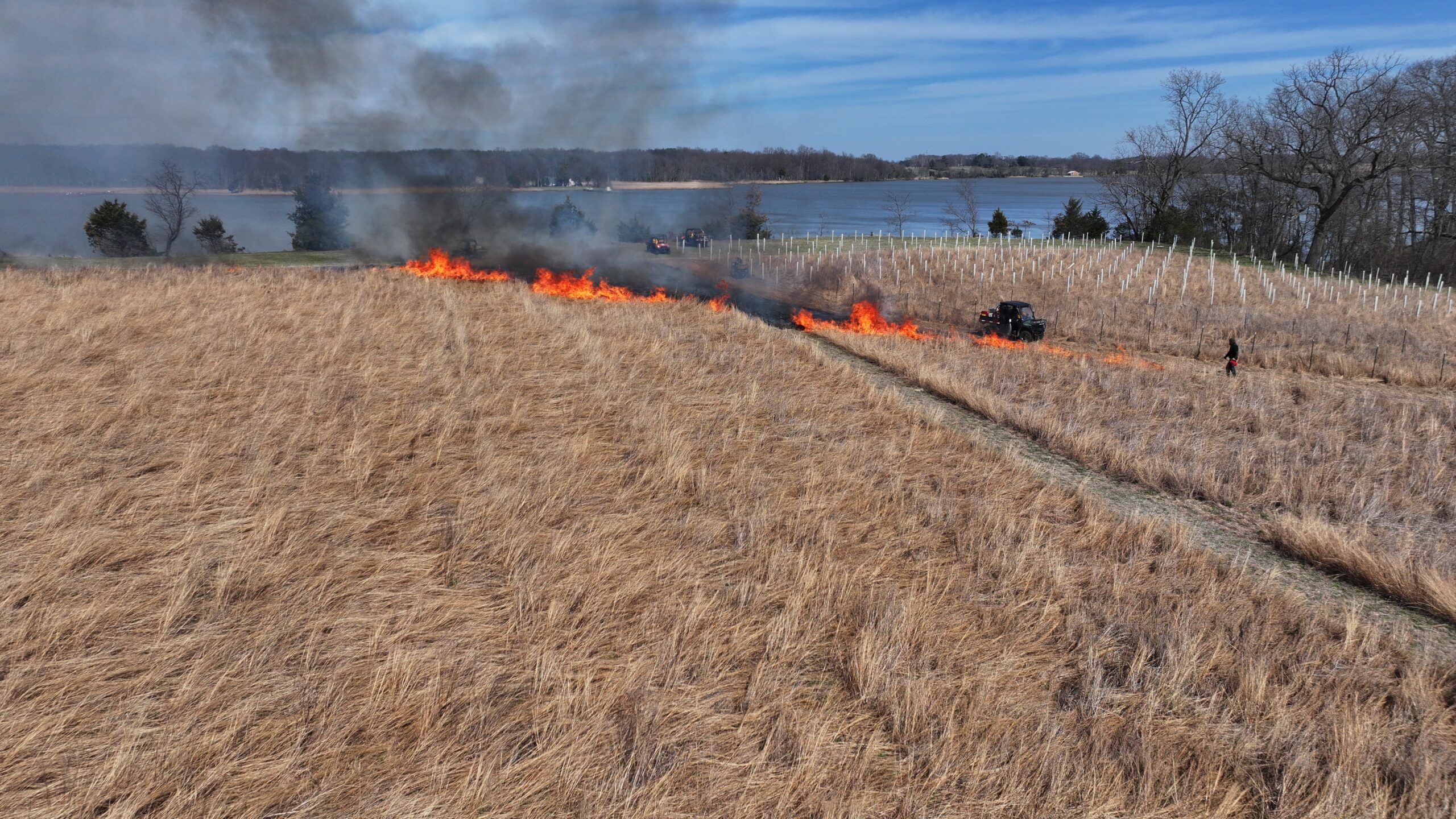
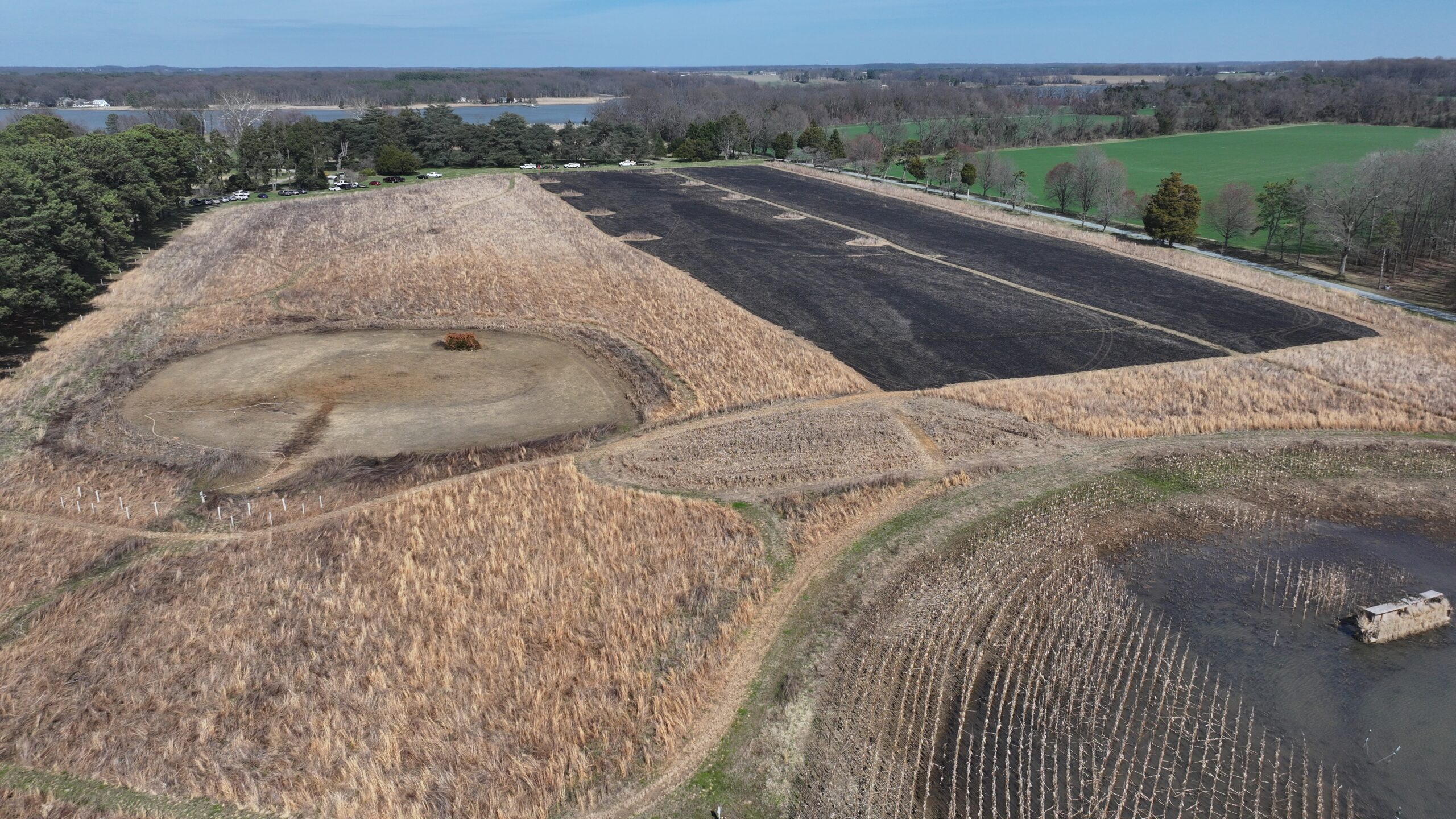
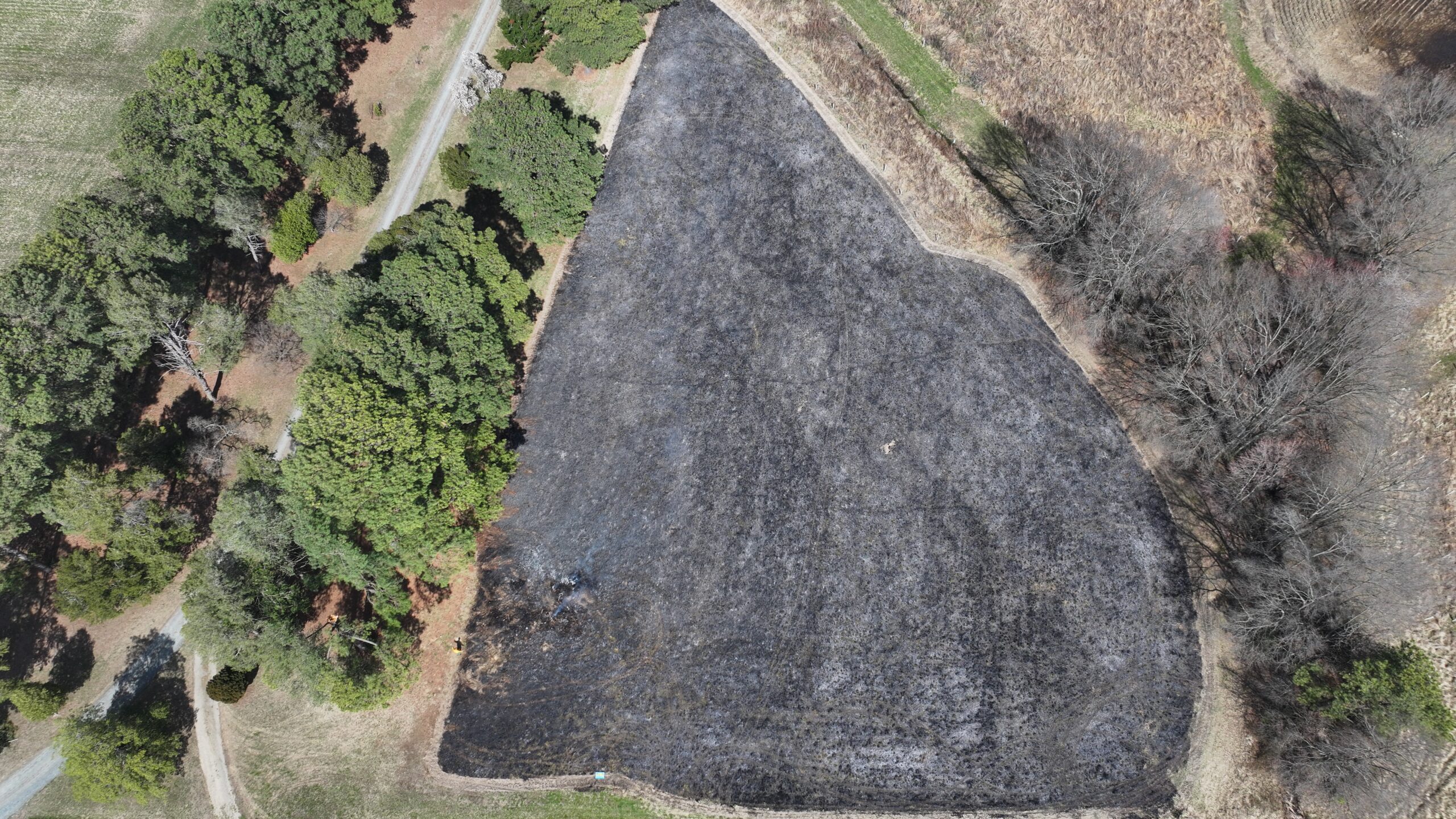
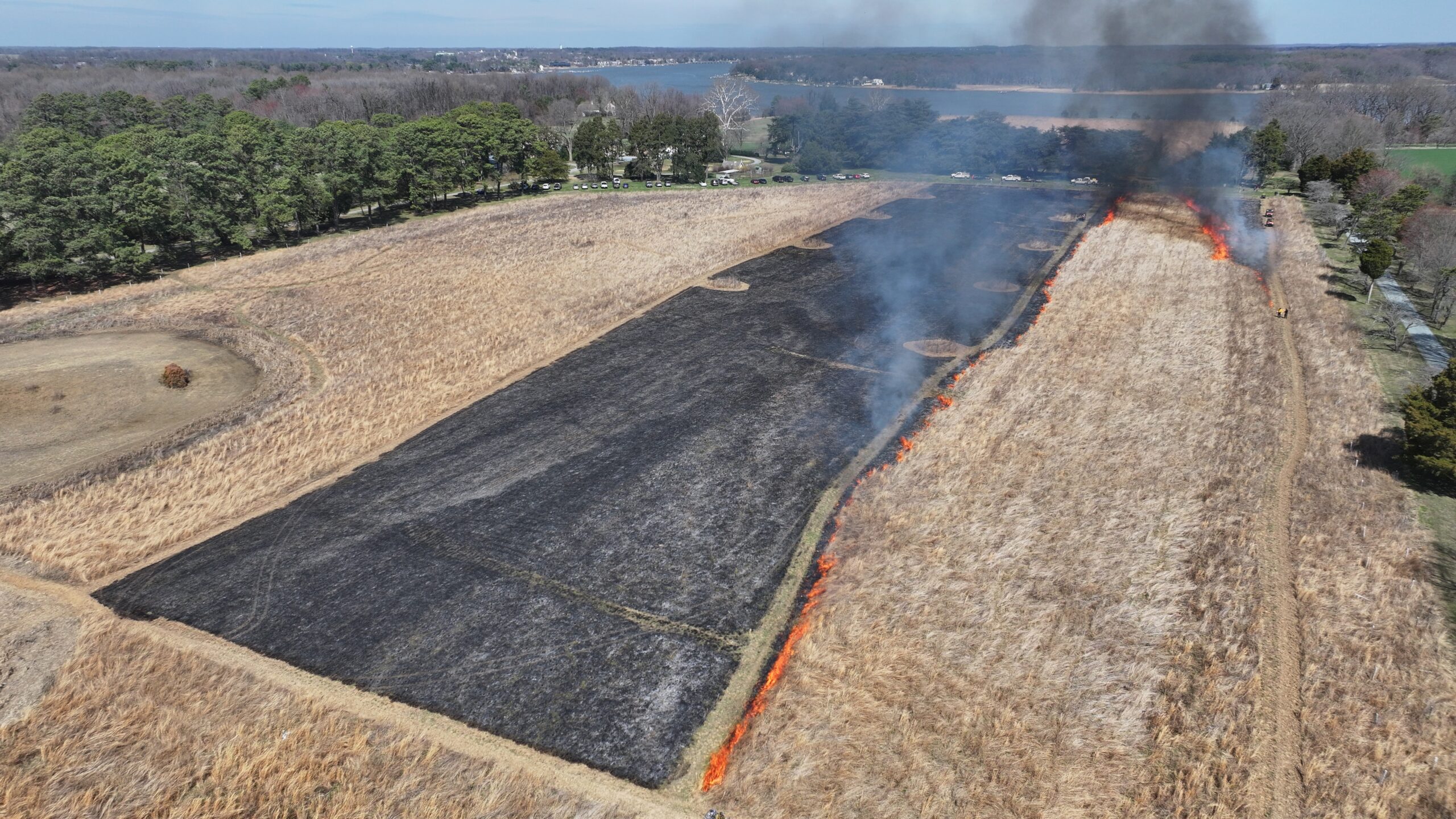
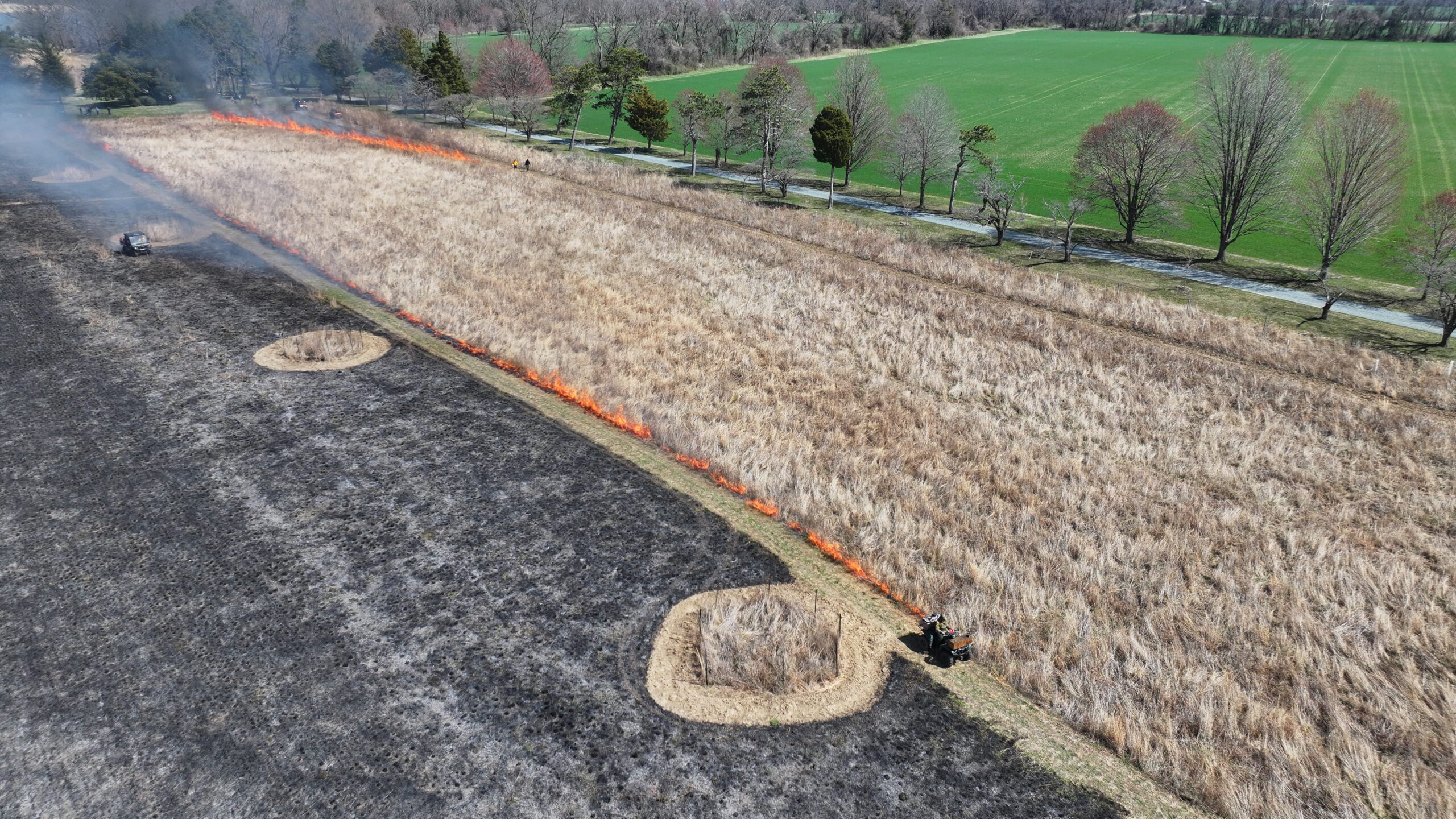
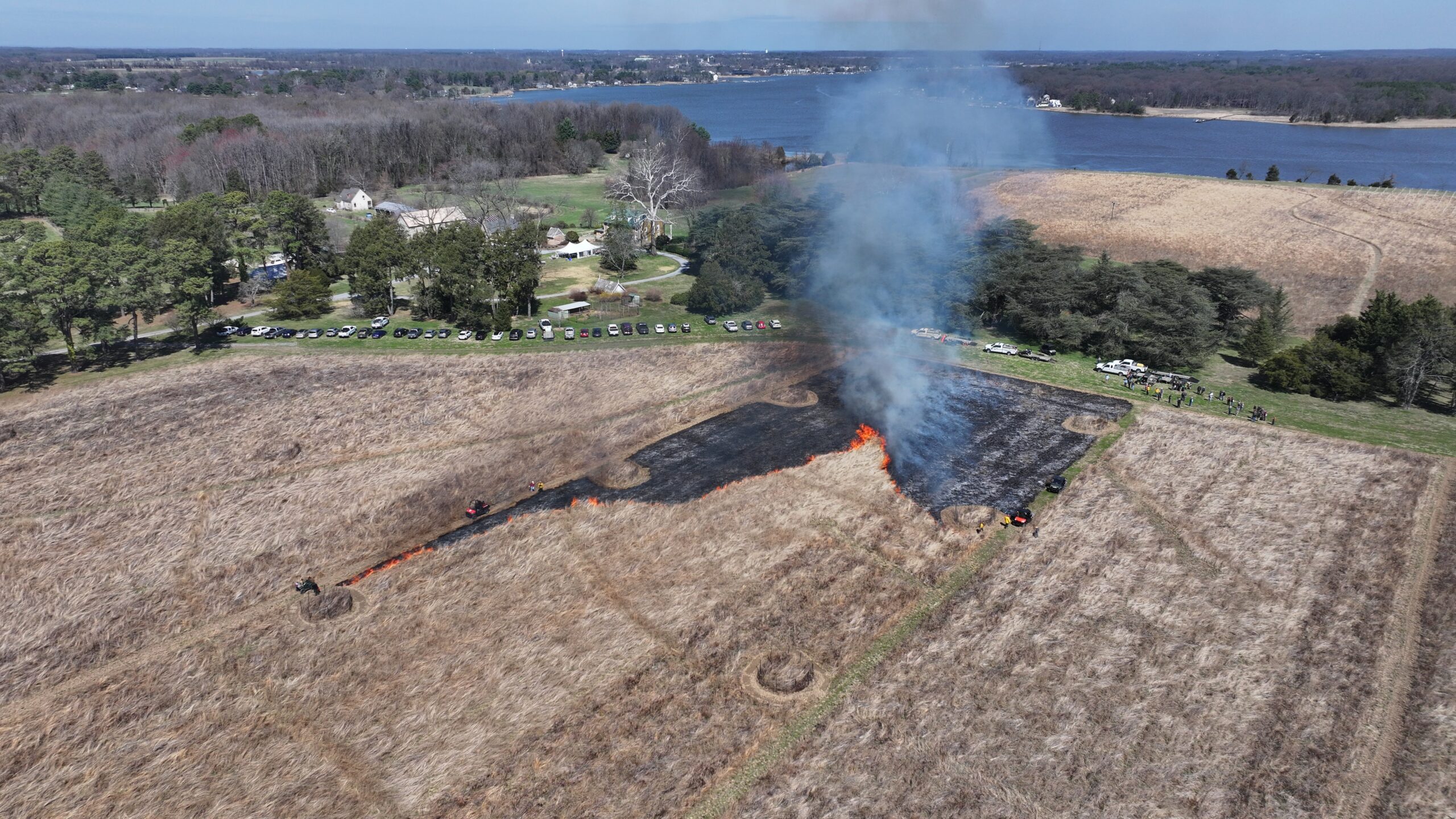
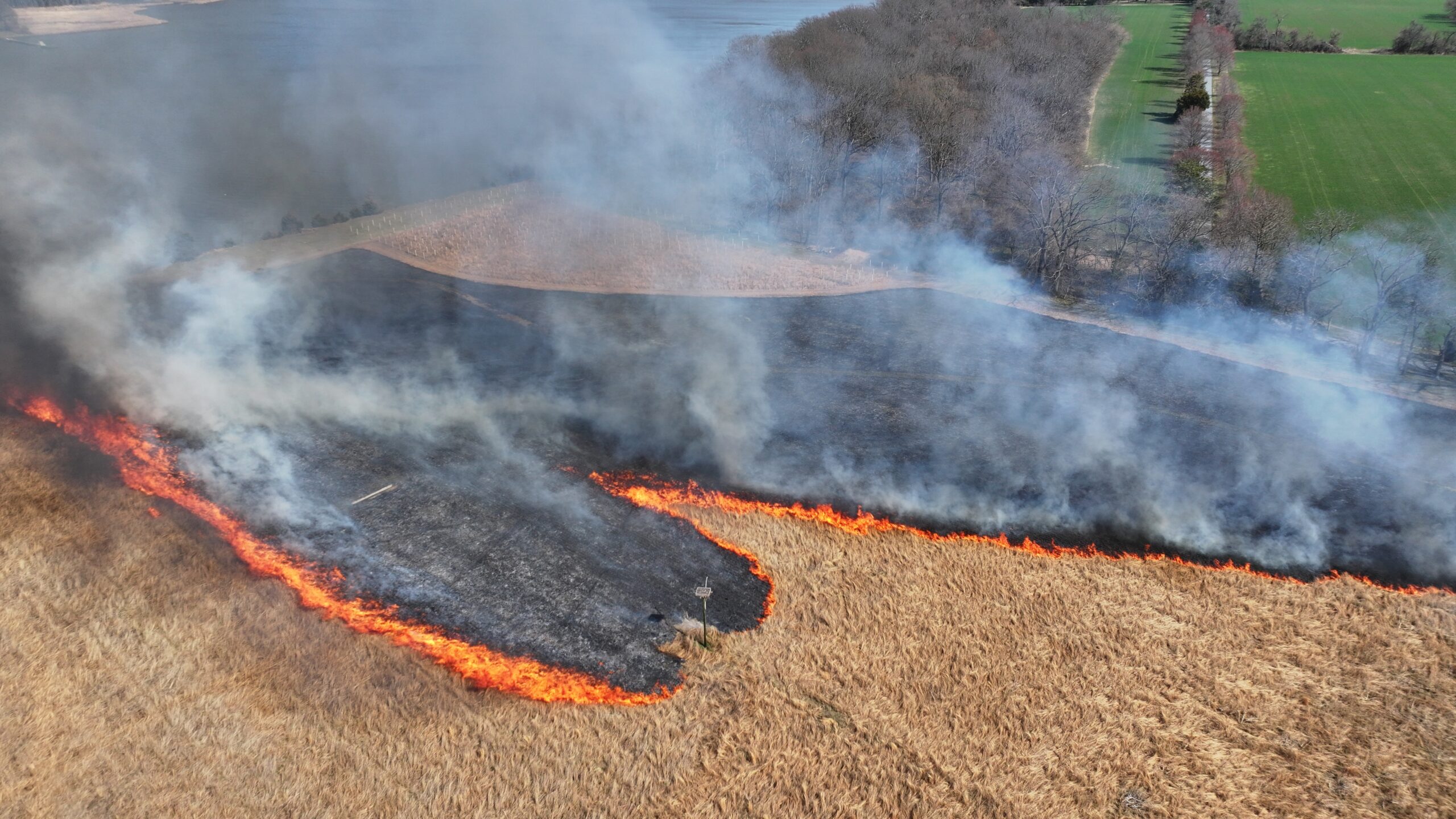
After learning all about cost-share programs, burn plans, fire behavior, and more, participants joined a skilled team out in the field for a safe and organized prescribed burn of restored meadows within the Liebers’ 61-acre conservation easement on the banks of the Chester River. Thanks to careful planning and execution, the burn was a great success, paving the way for grassland birds and Bobwhite Quail as Spring begins on the Eastern Shore. “The operations went seamlessly and made the whole burn process so easy,” commented landowner and host Jennifer Lieber, whose property in Chestertown was first conserved with an ESLC conservation easement in 1992. “It was a pleasure working with Tall Timbers and ESLC, and we are looking forward to another one!”

Here are five big takeaways from Friday’s big burn:
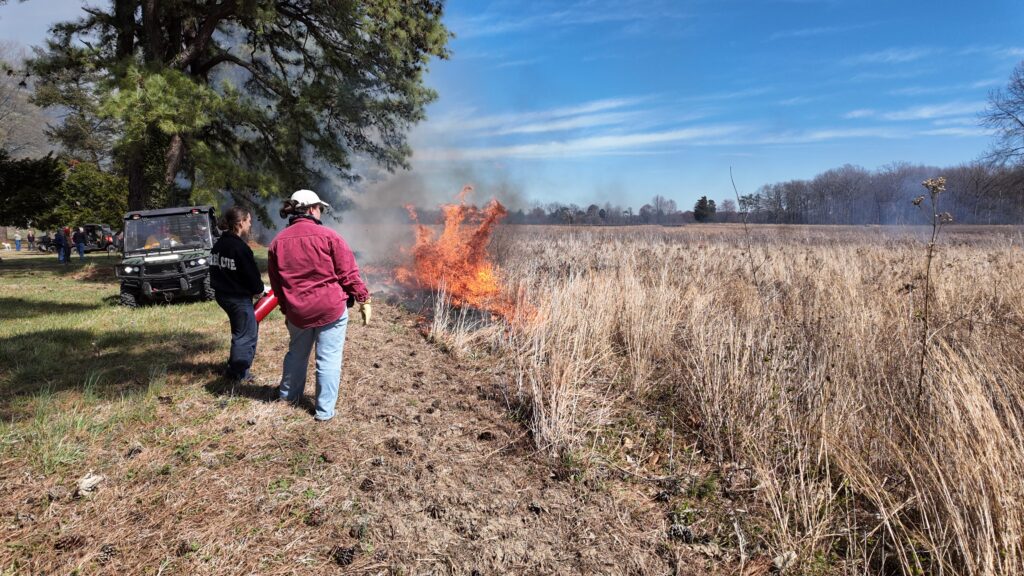
Prescribed fire is natural.


“Prescribed fire is the most natural and most efficient tool for managing early successional habitat that we have available to us,” explains Quail Forever’s Jack Hutchison. Historically, fire intervals on the Delmarva Peninsula occurred every 4-10 years. These occurred as controlled burns managed by Native Americans, fires started by lightning strikes, and forest clearing carried out by European settlers, all of which routinely resulted in open grasslands and low shrubs where trees once were. Because of this management, many Eastern Shore species (both flora and fauna) are “fire dependent” species and only occur in areas disturbed by the process of fire. This is why the Bobwhite Quail has the nickname of the “fire bird.” We need fire as a management tool to help keep intermediate habitat types (early successional habitats) within the mosaic of habitat types on the Shore. Left alone without disturbance, everything will eventually become hardwood oak/hickory forests. We need those middle stages, too. You can learn more about the Shore’s missing meadows here.

Prescribed fire is careful.


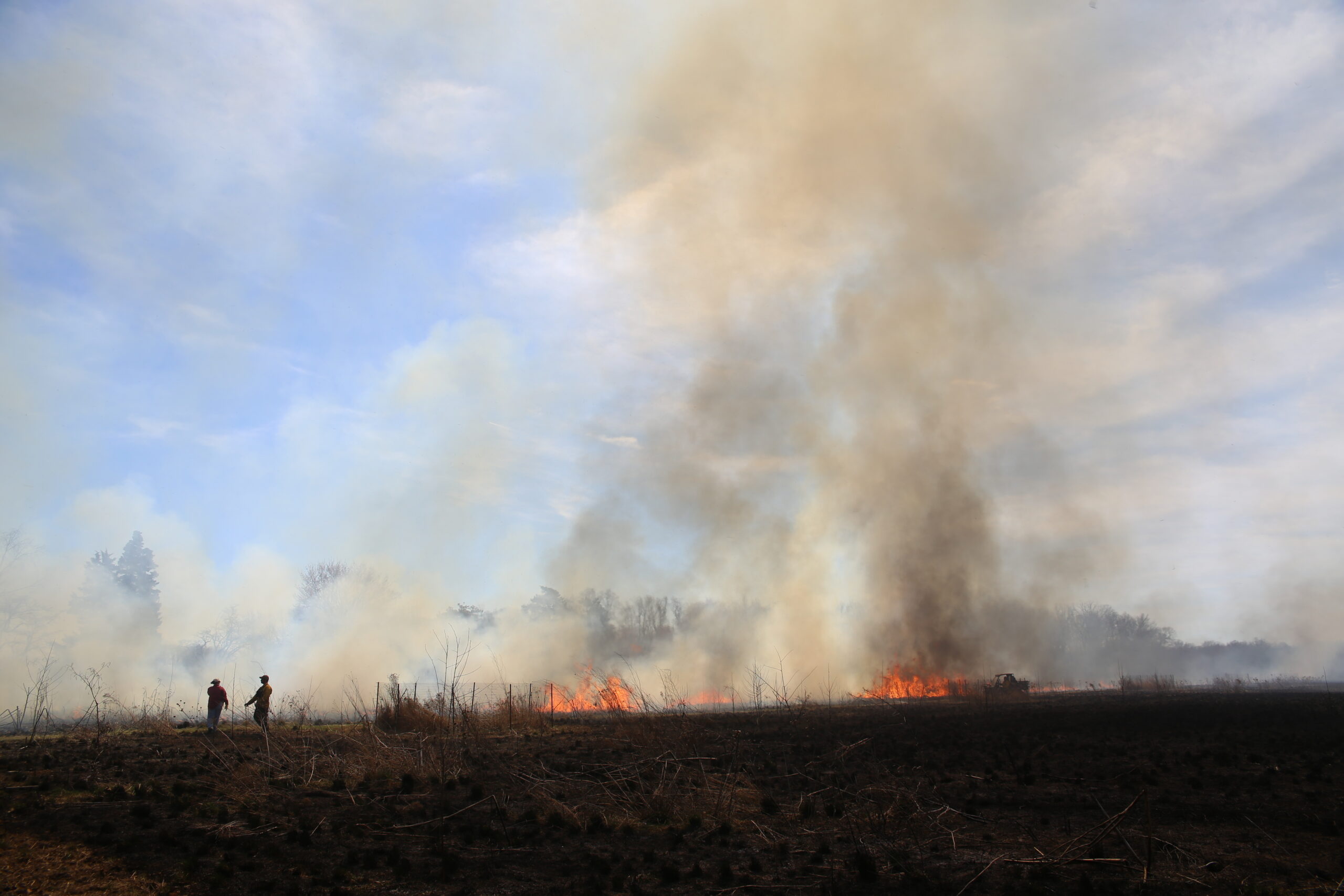
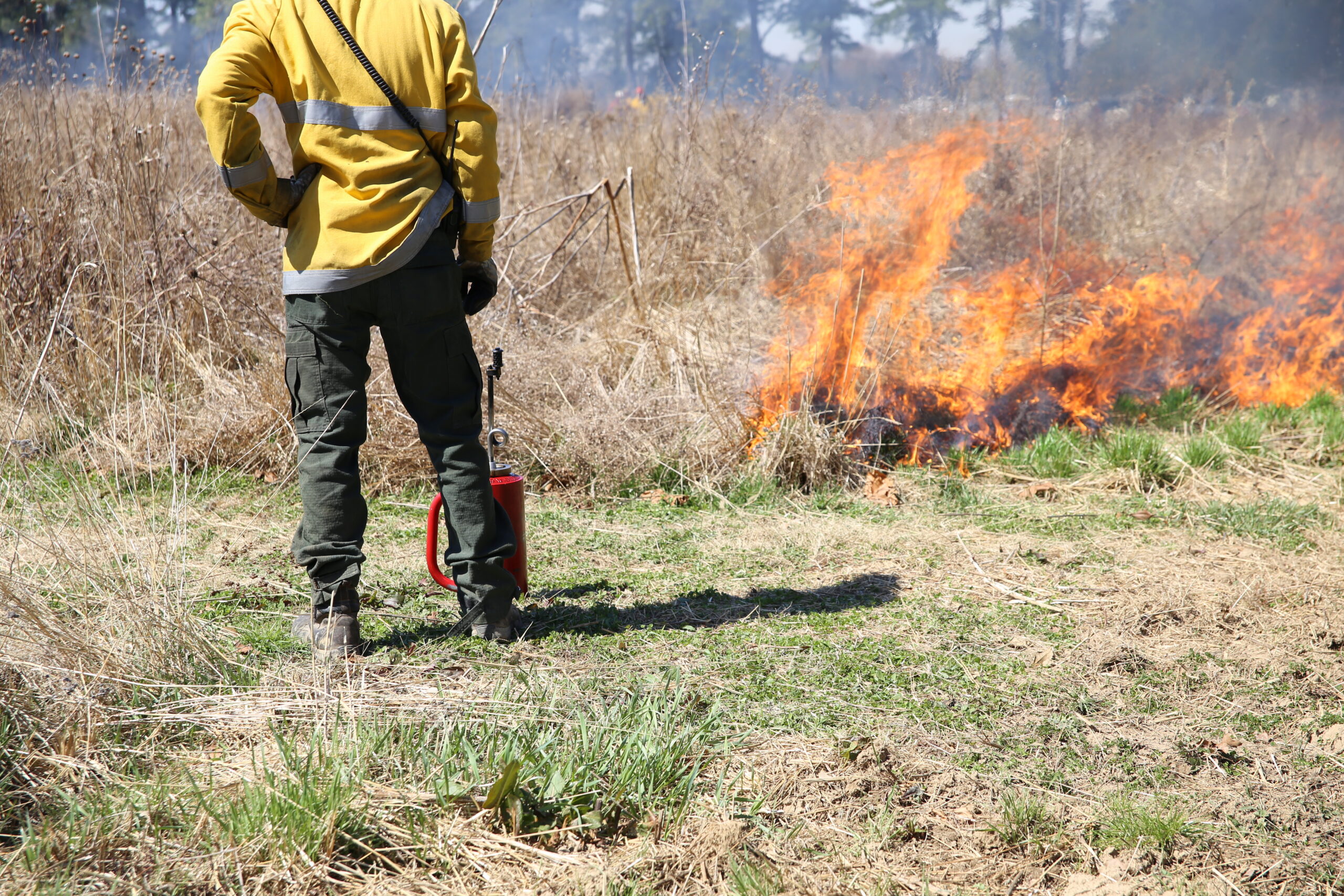
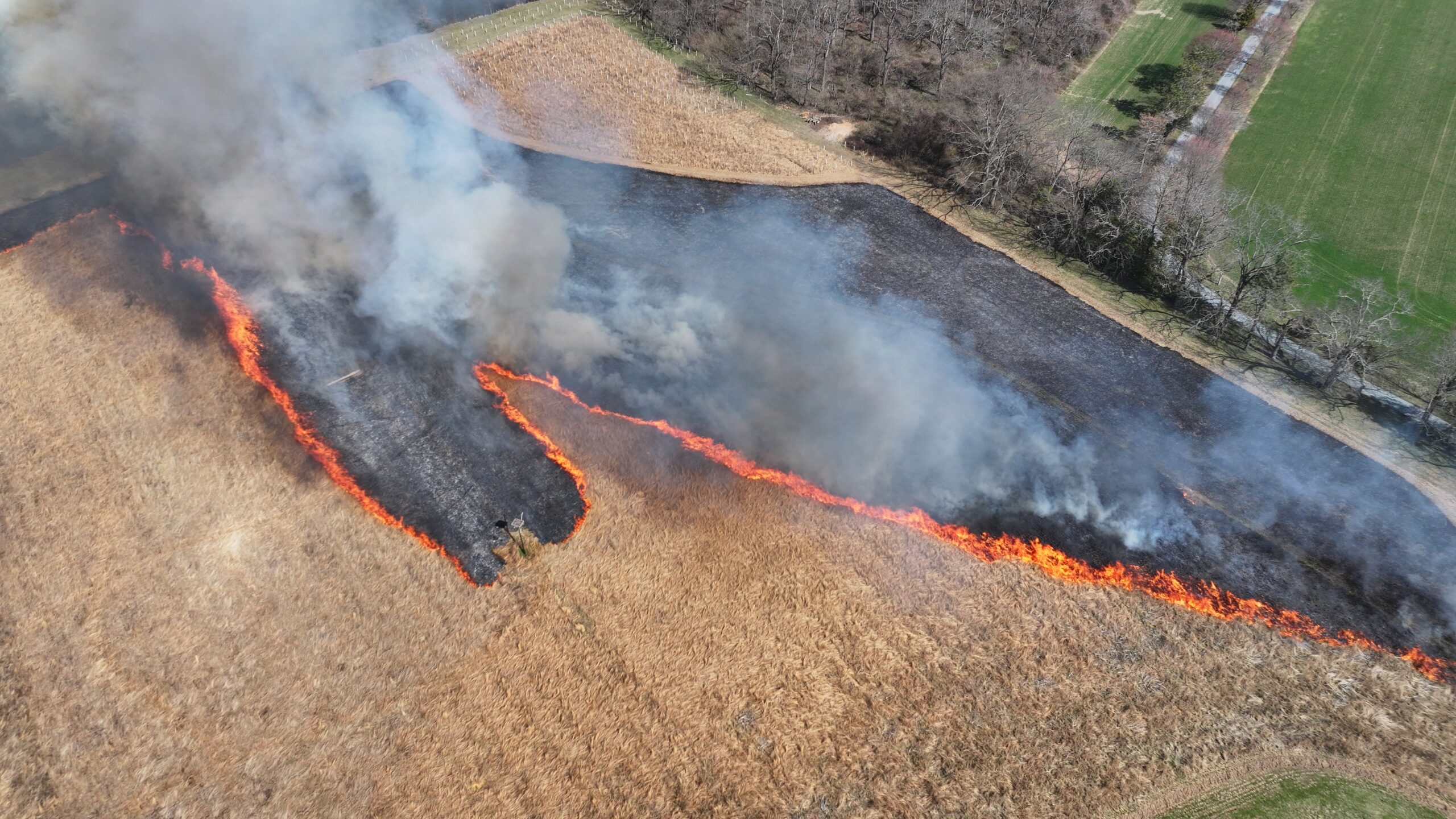
During a prescribed burn, workers need to be equally careful about what they’re doing on the ground and what they’re doing in the air. In other words, they must be mindful about where their flame is directed in the field and where smoke is headed. Ideally, weather parameters should be conducive to high mixing heights so that smoke lifts and disperses in the atmosphere instead of staying near the ground and rolling into roads or vulnerable populated areas. Sometimes, you can use patterns of ignition to your advantage, for instance lighting a hotter fire will help to lift smoke higher.


Prescribed fire is planned.


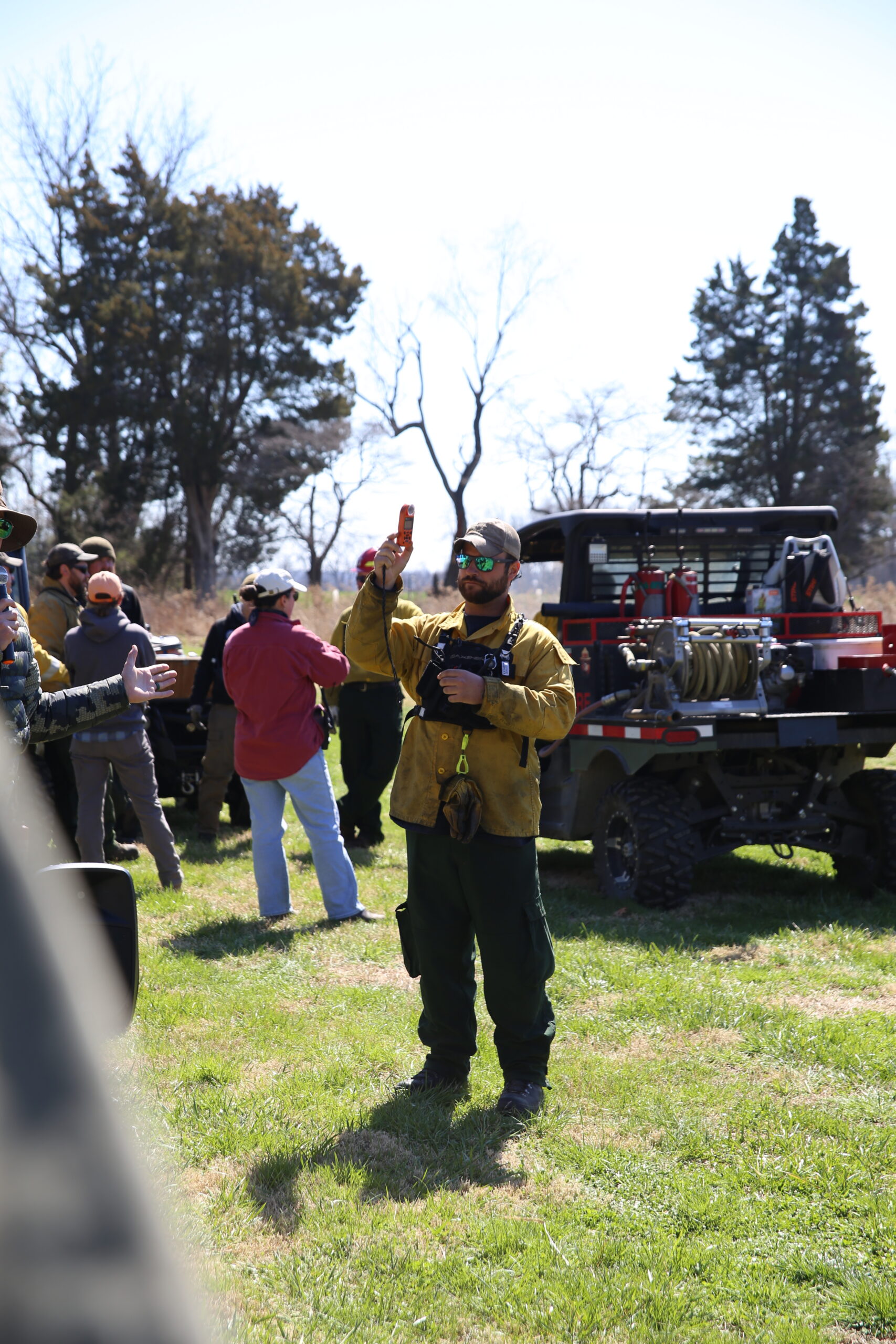
Burning for Birds was rescheduled twice this spring due to weather conditions. It’s essential for a burn to be strategic, and burners must pay close attention to wind, temperature, precipitation, and humidity. This is important for everyone’s safety and for the overall success of the burn. For the Piney Grove burn plan, one of the team’s objectives was to achieve 90% combustion of vegetative material. Certain humidity, wind, and precipitation readings must align in order for plant material to burn (or not burn) accordingly. These conditions also determine how hot and fast a fire moves.


Prescribed fire is controlled.


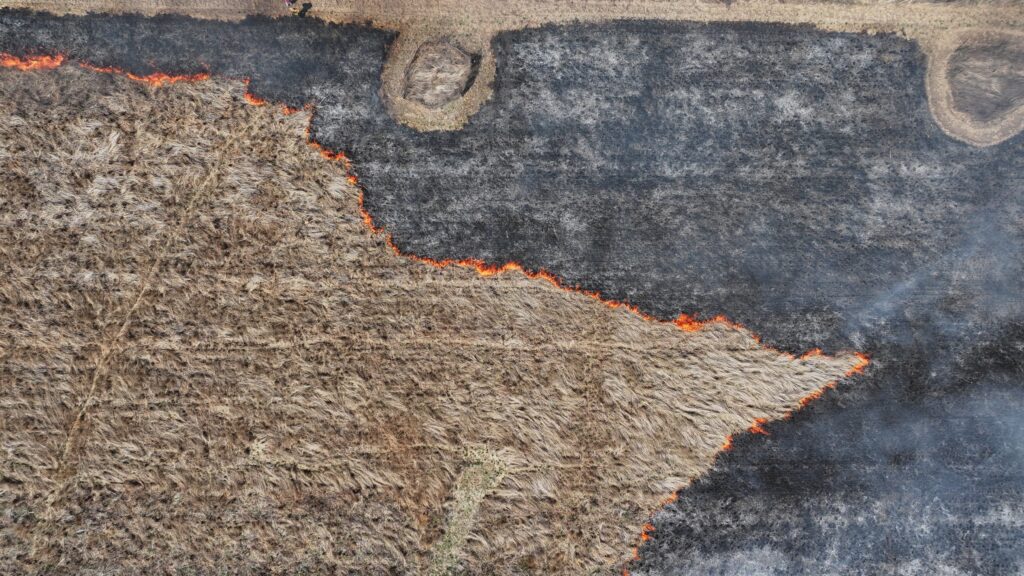
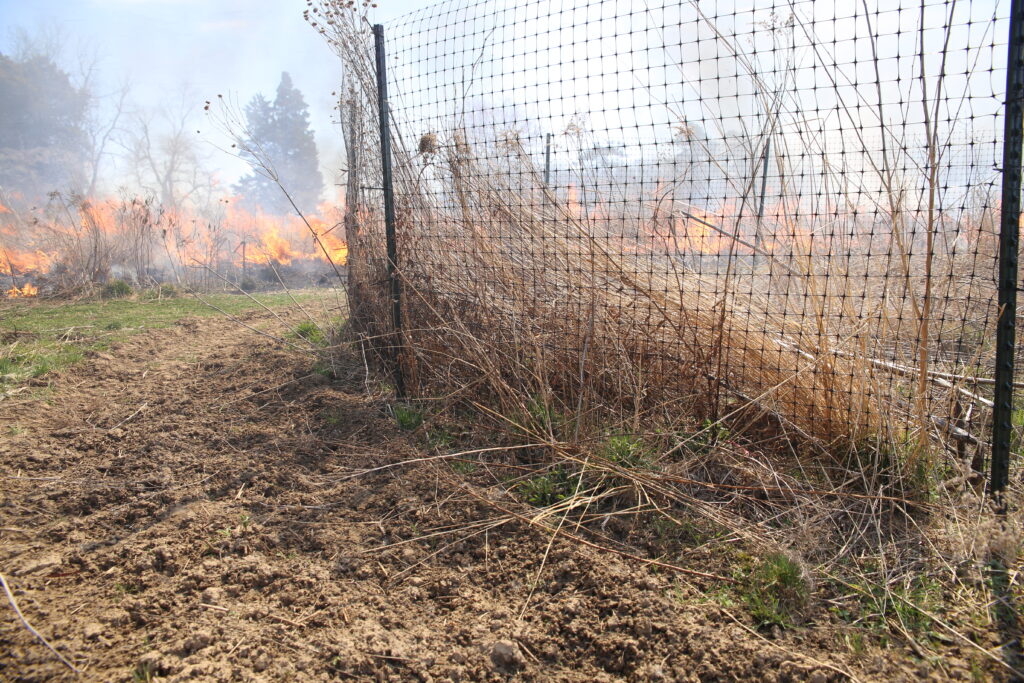
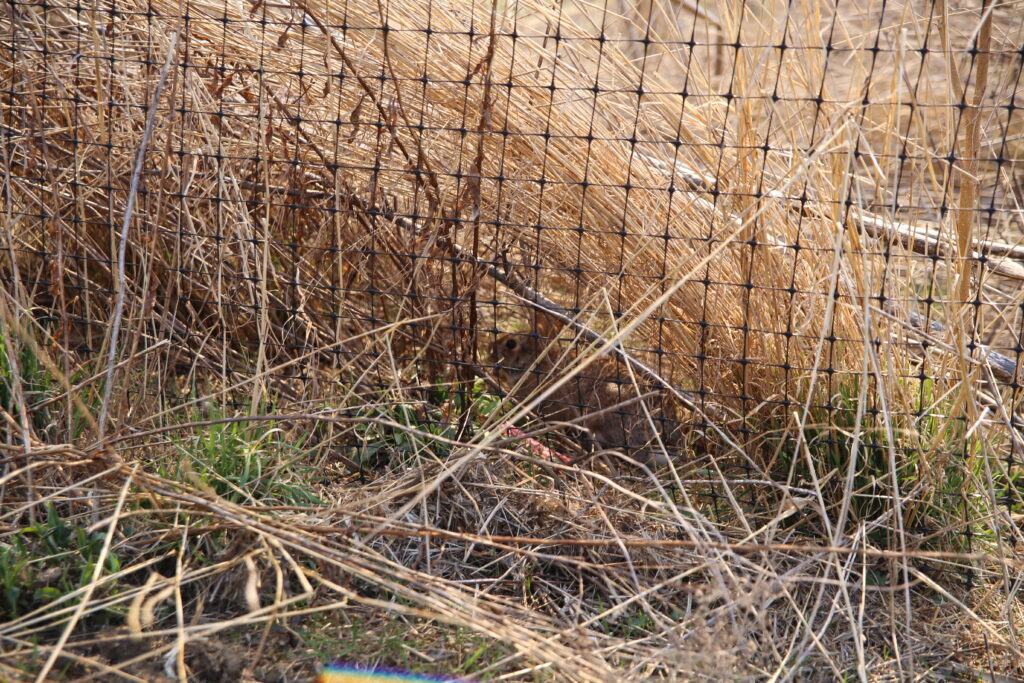
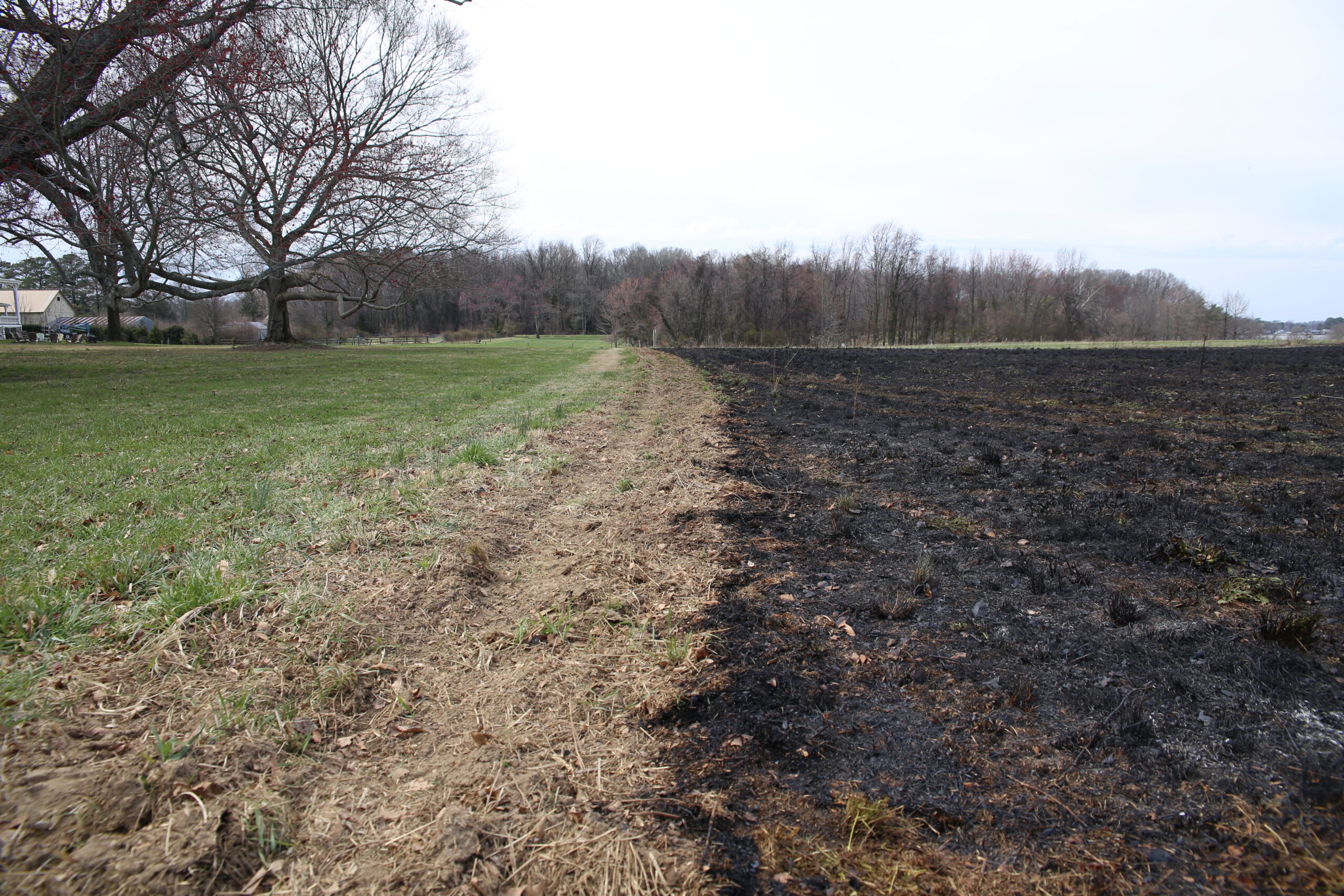
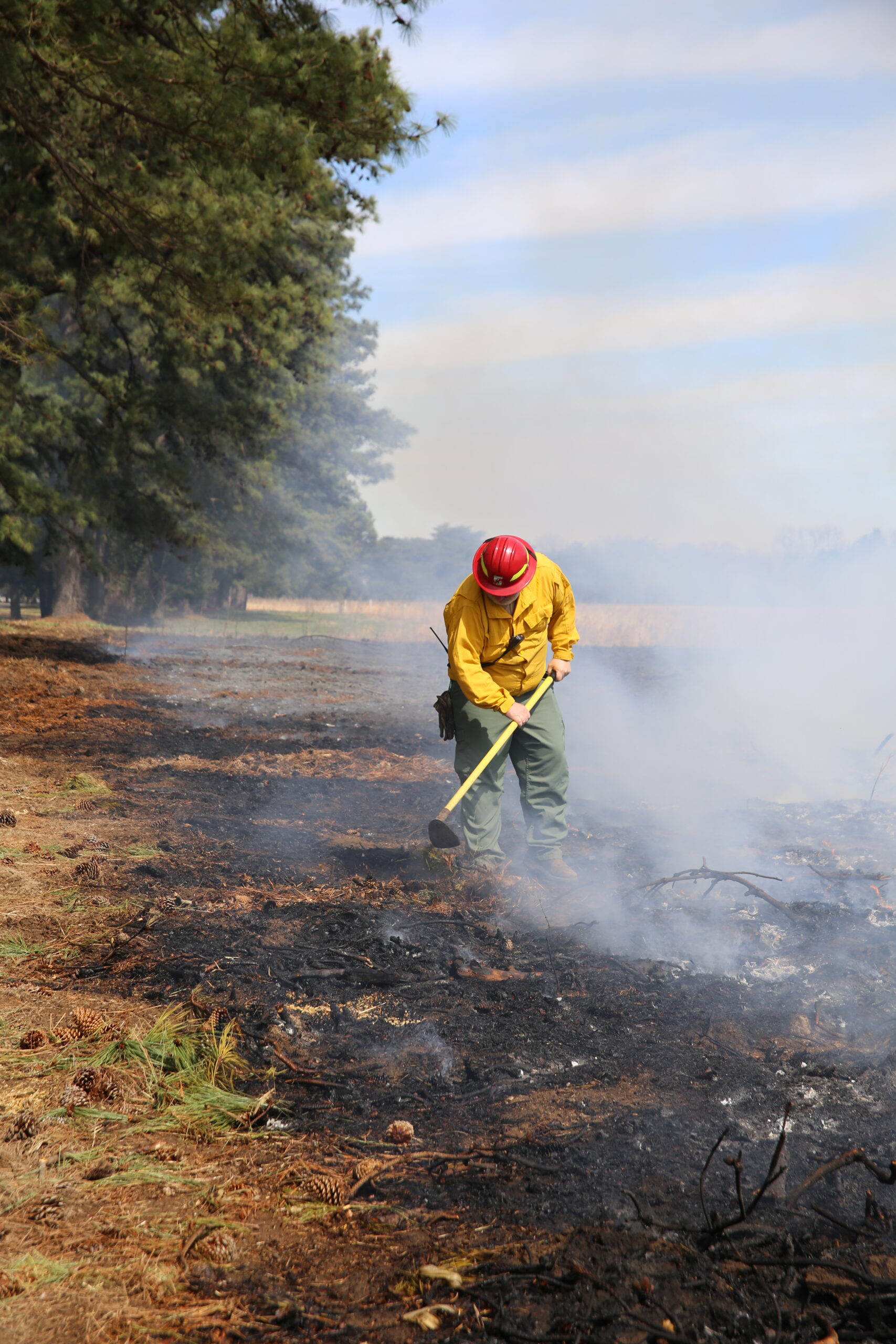
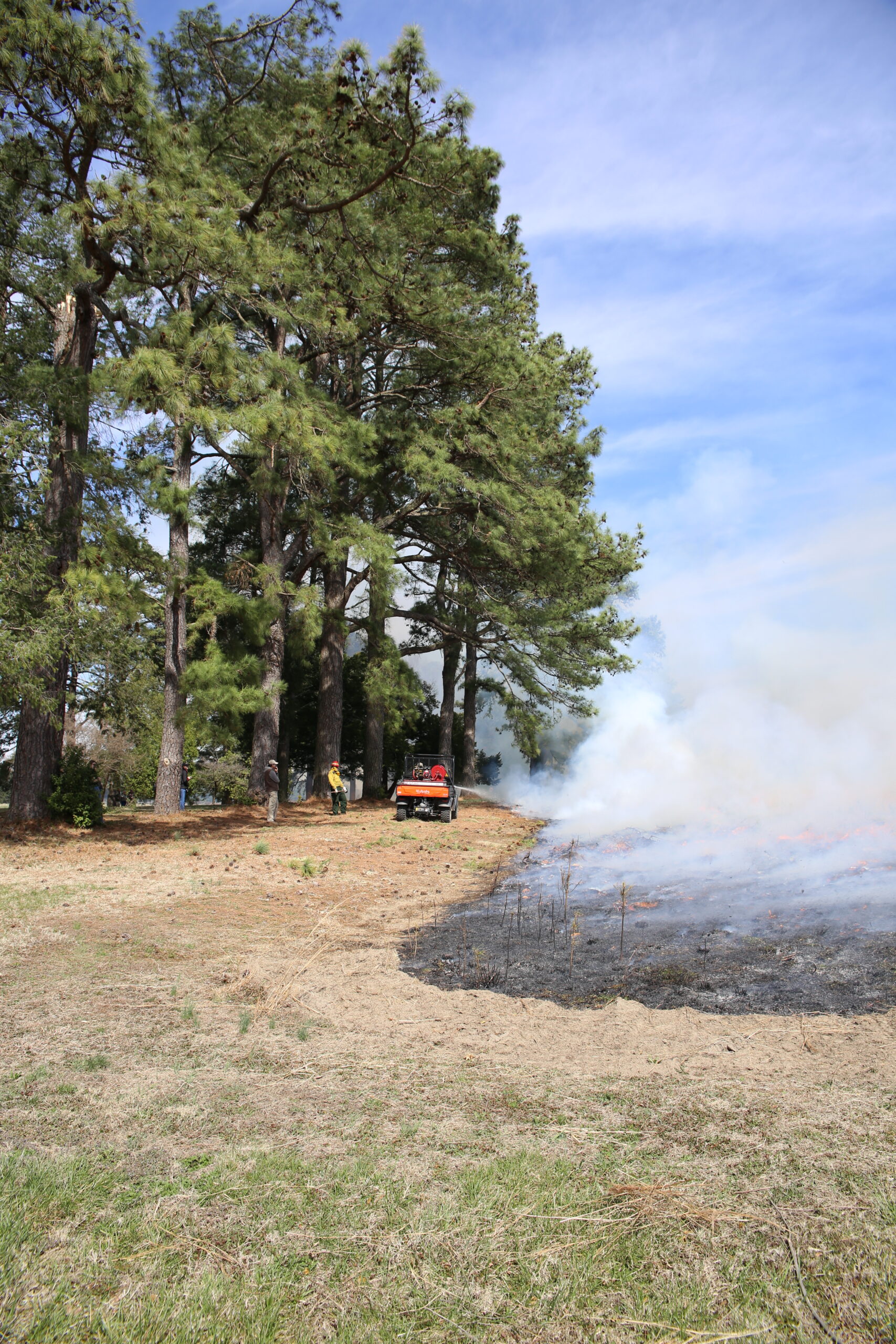
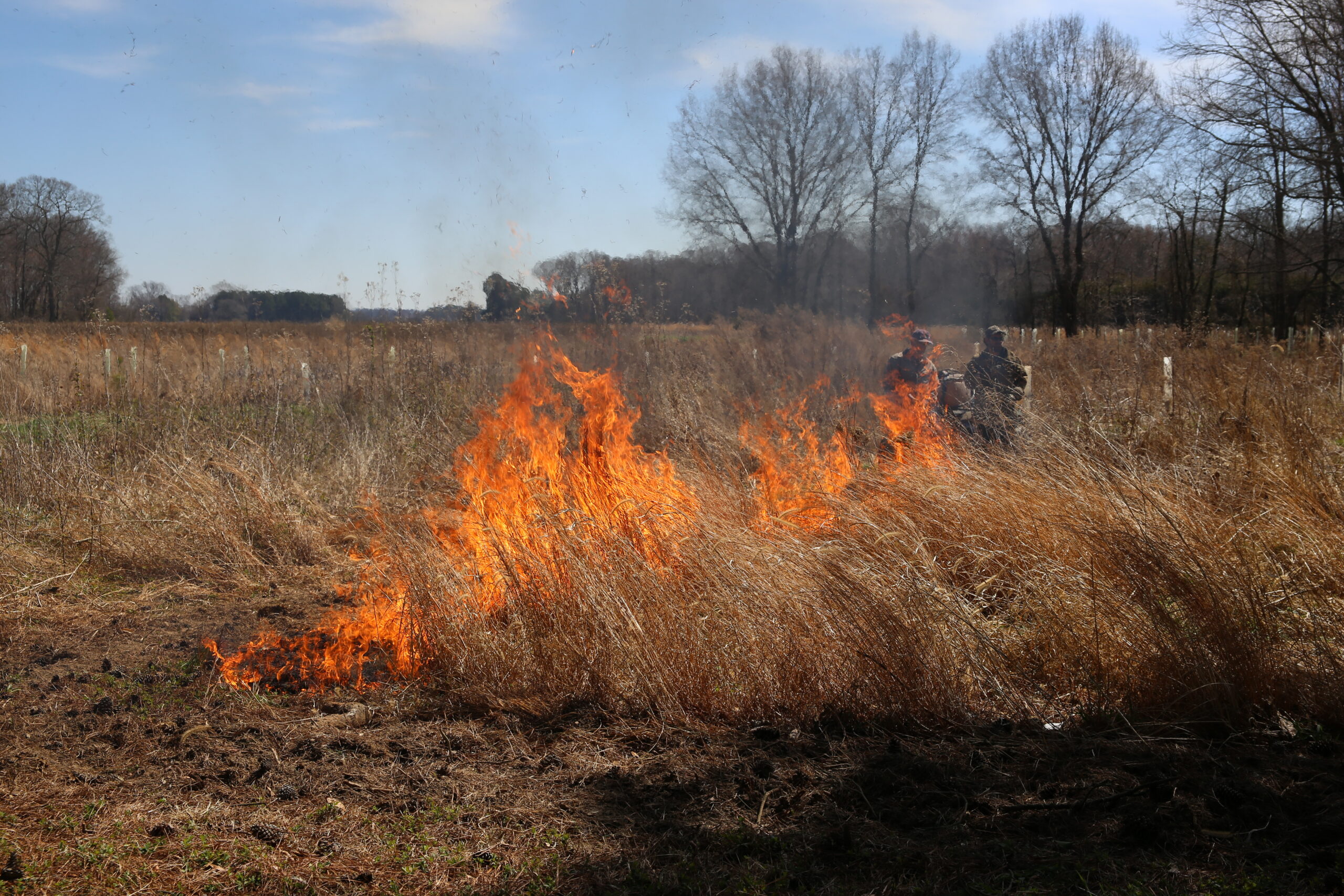
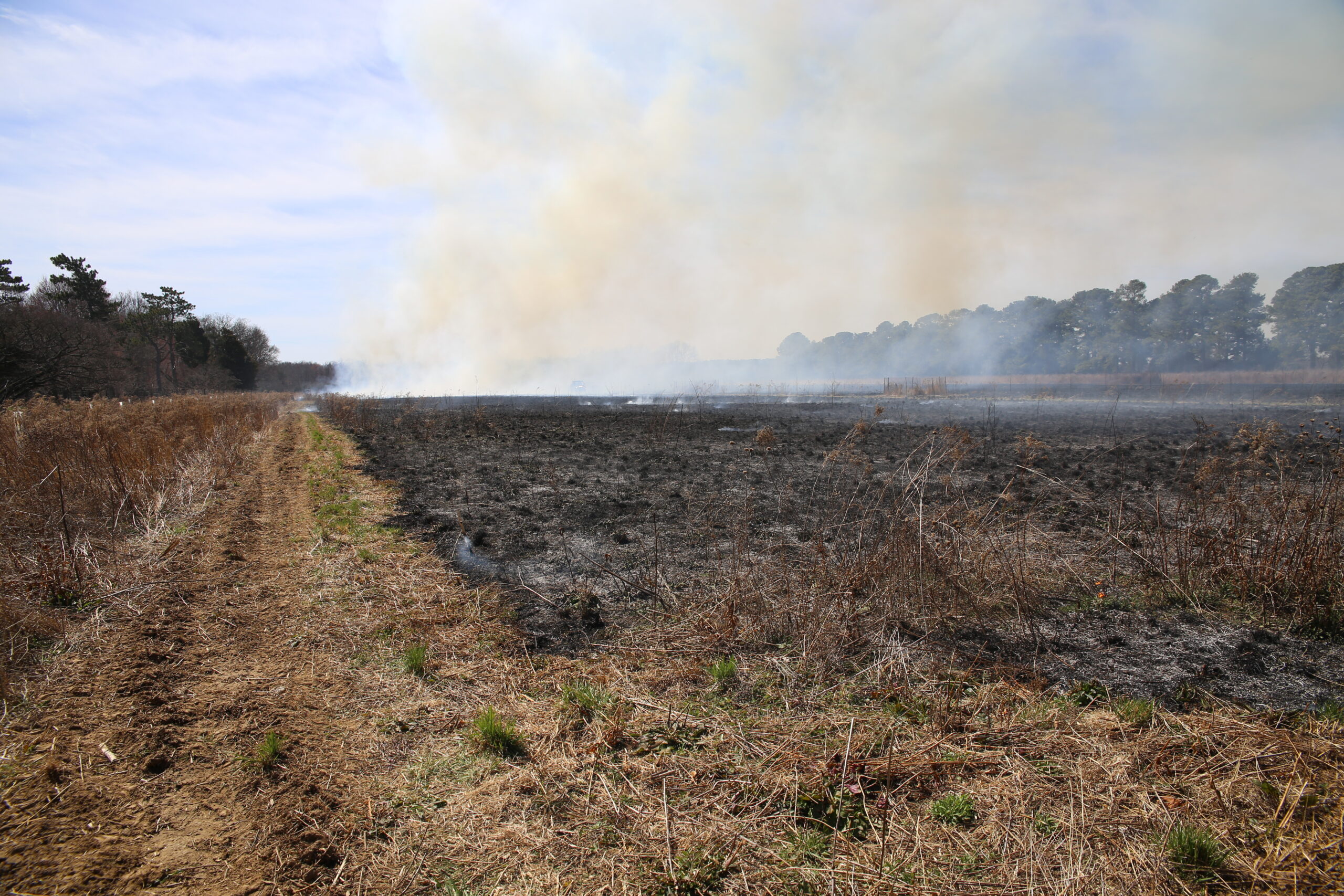
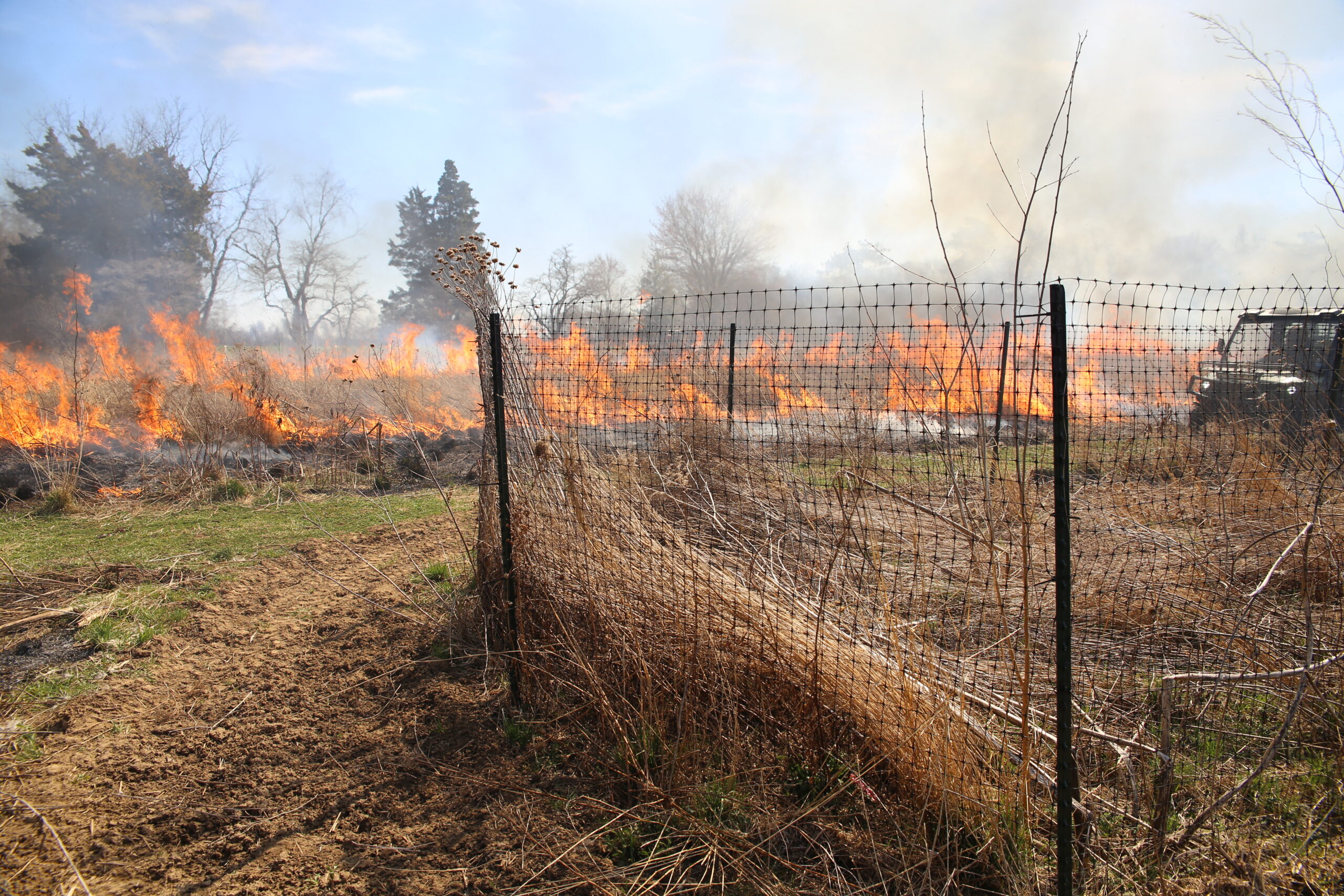
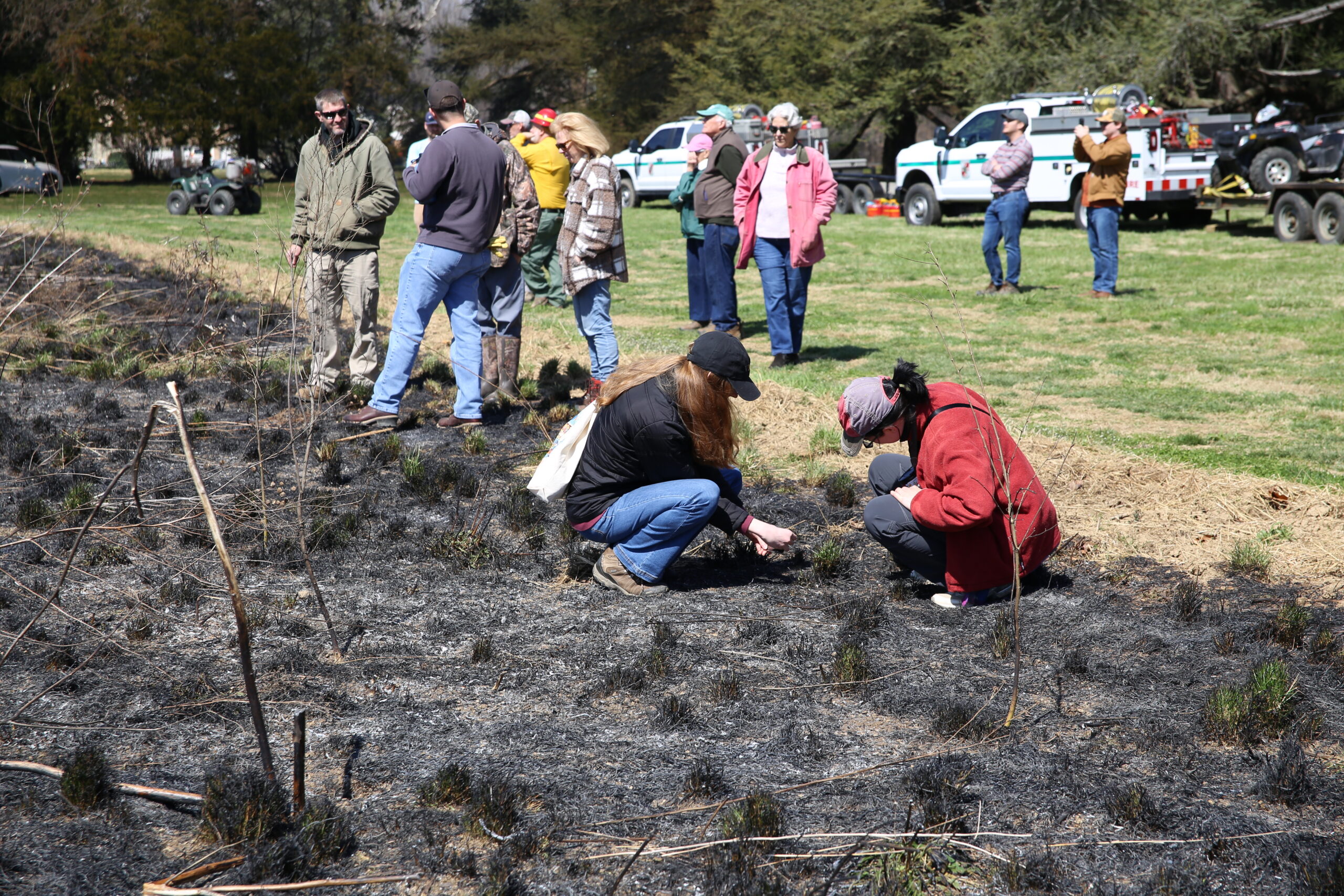
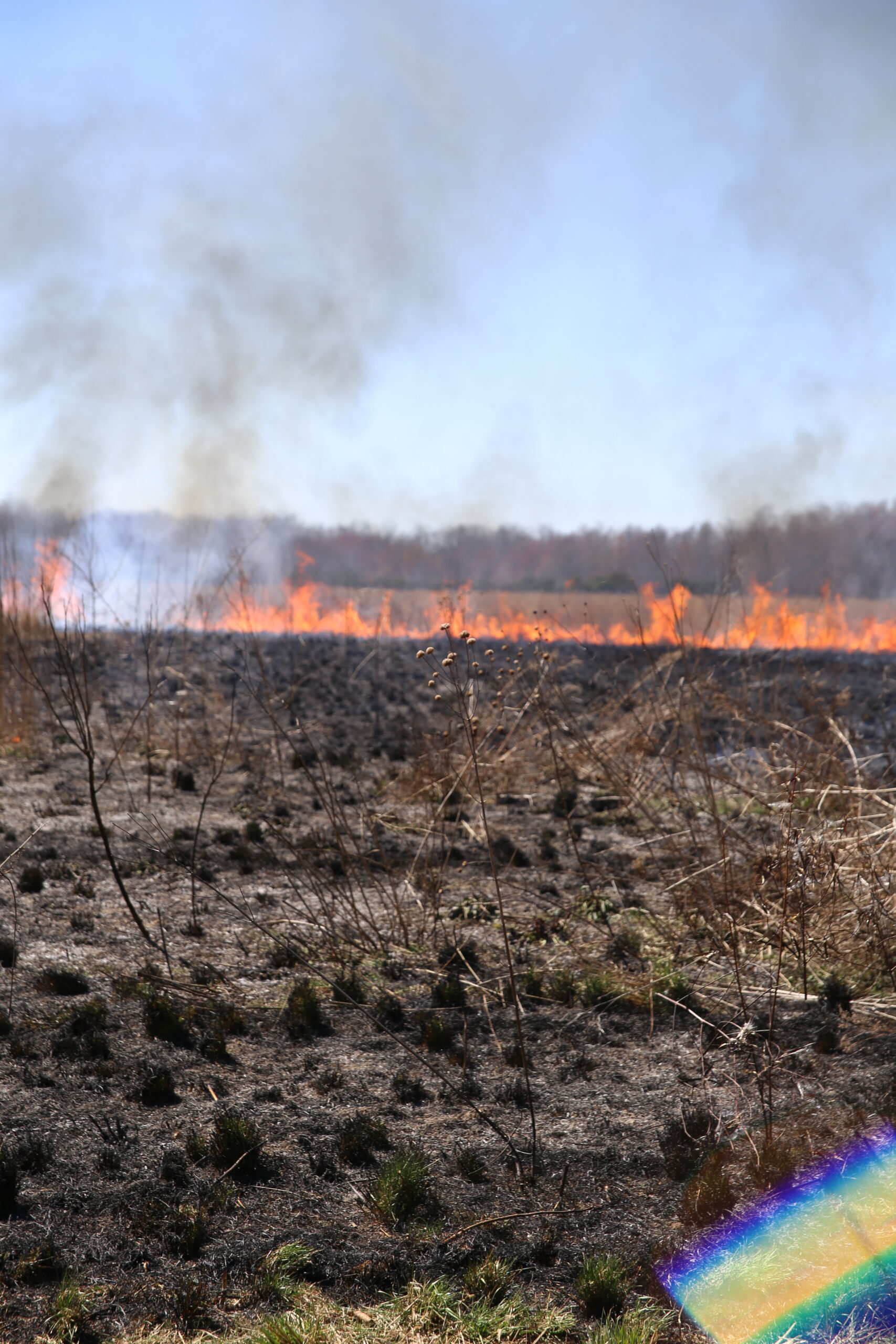
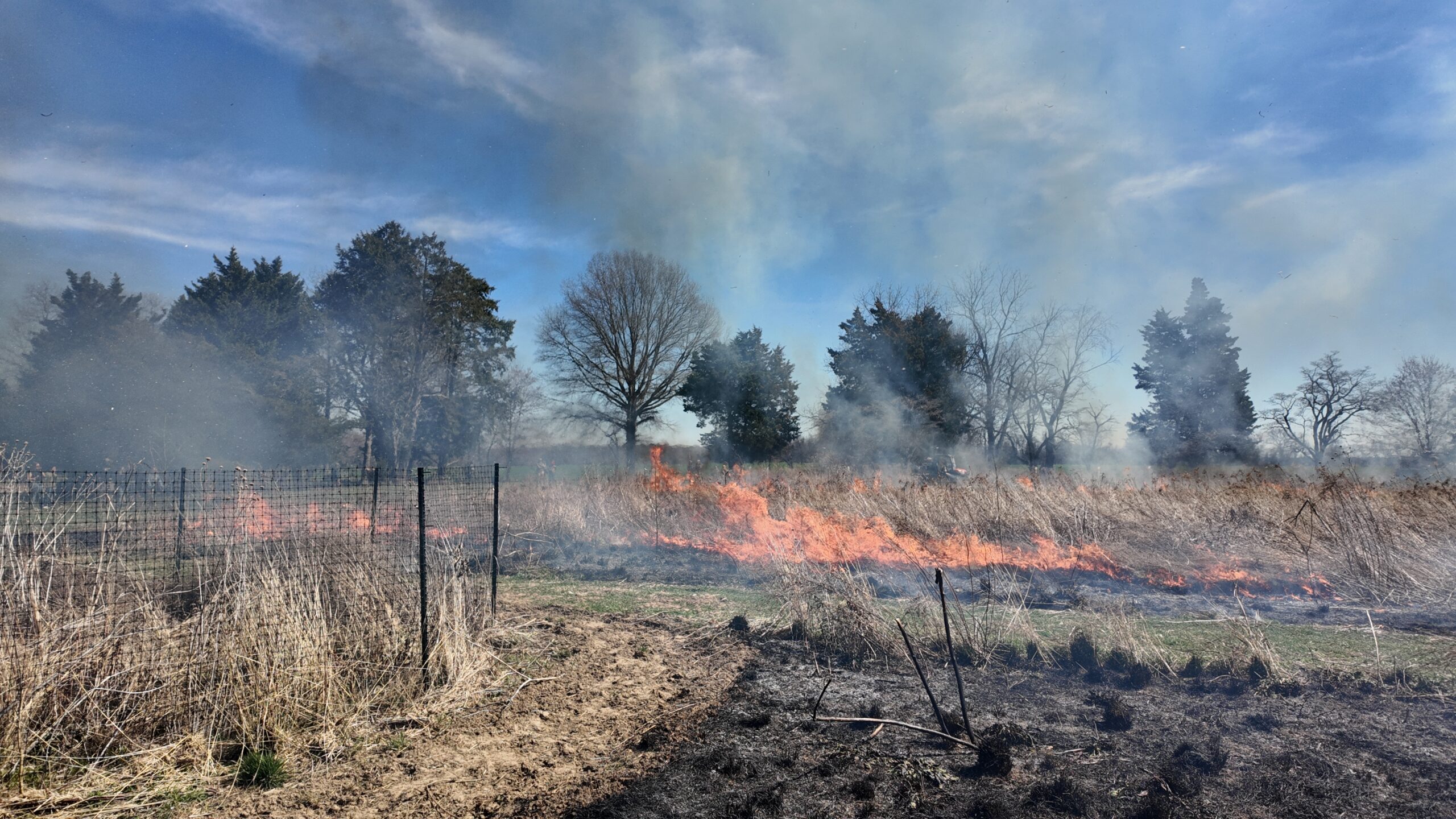
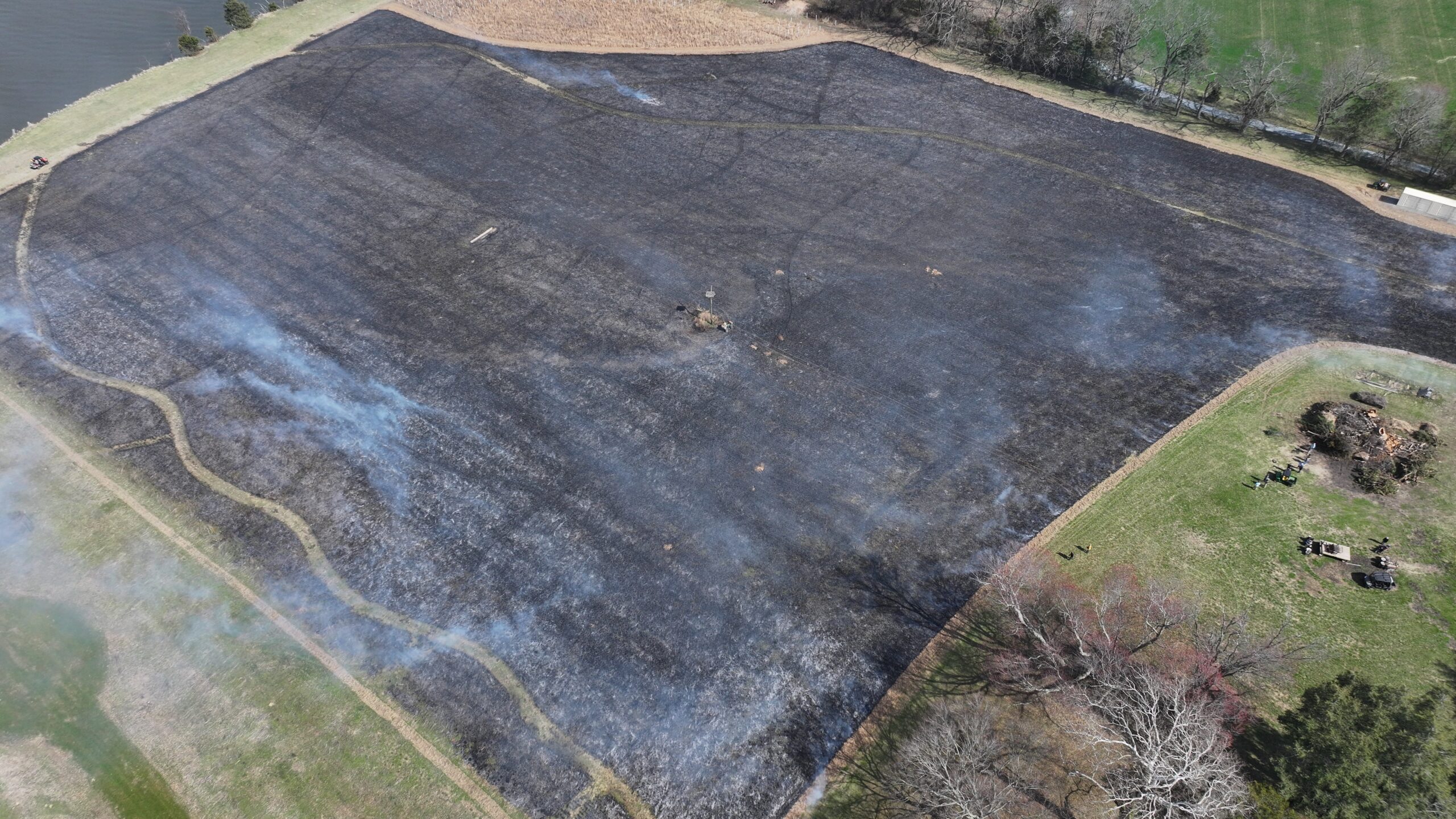
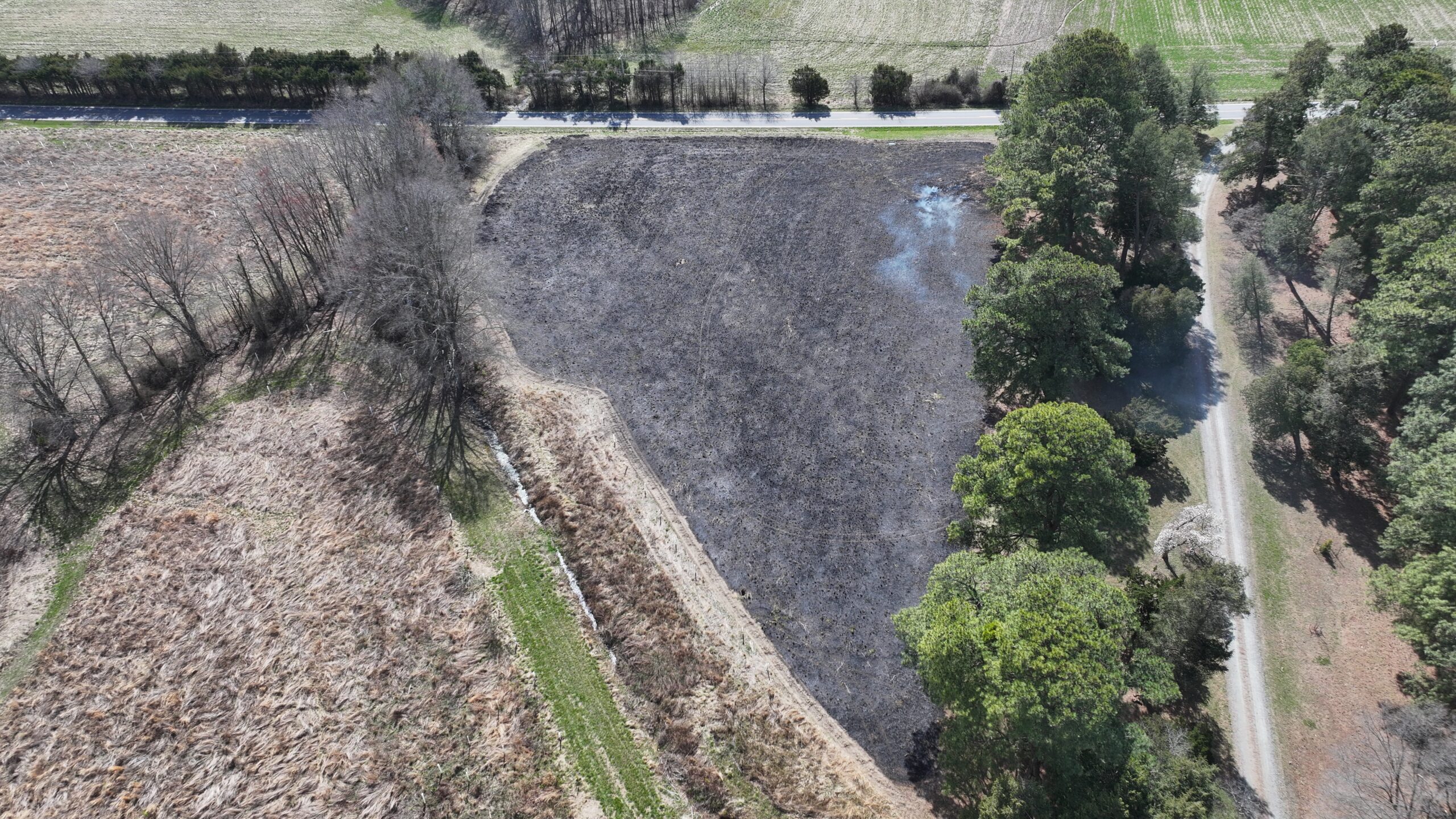
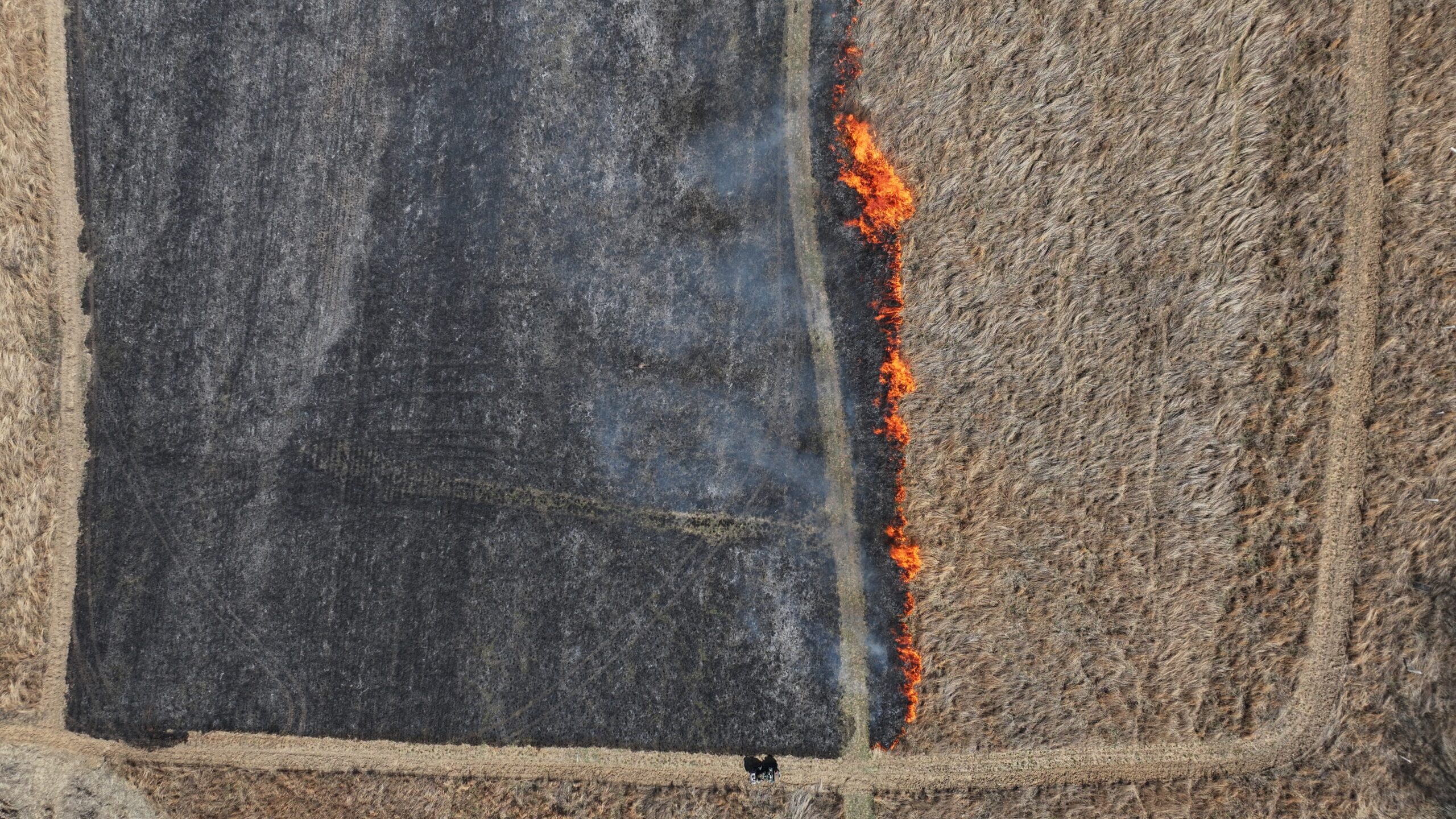
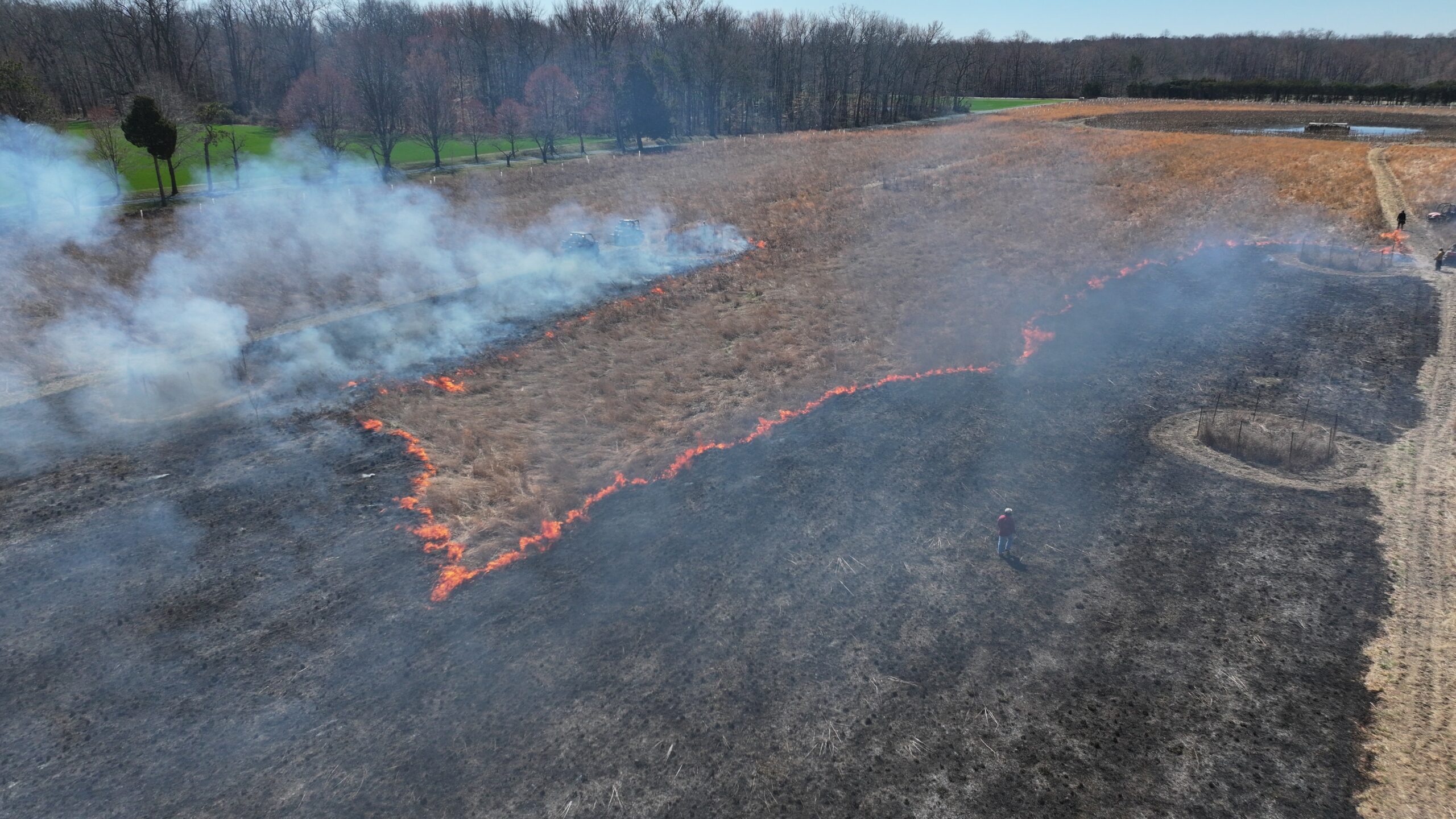
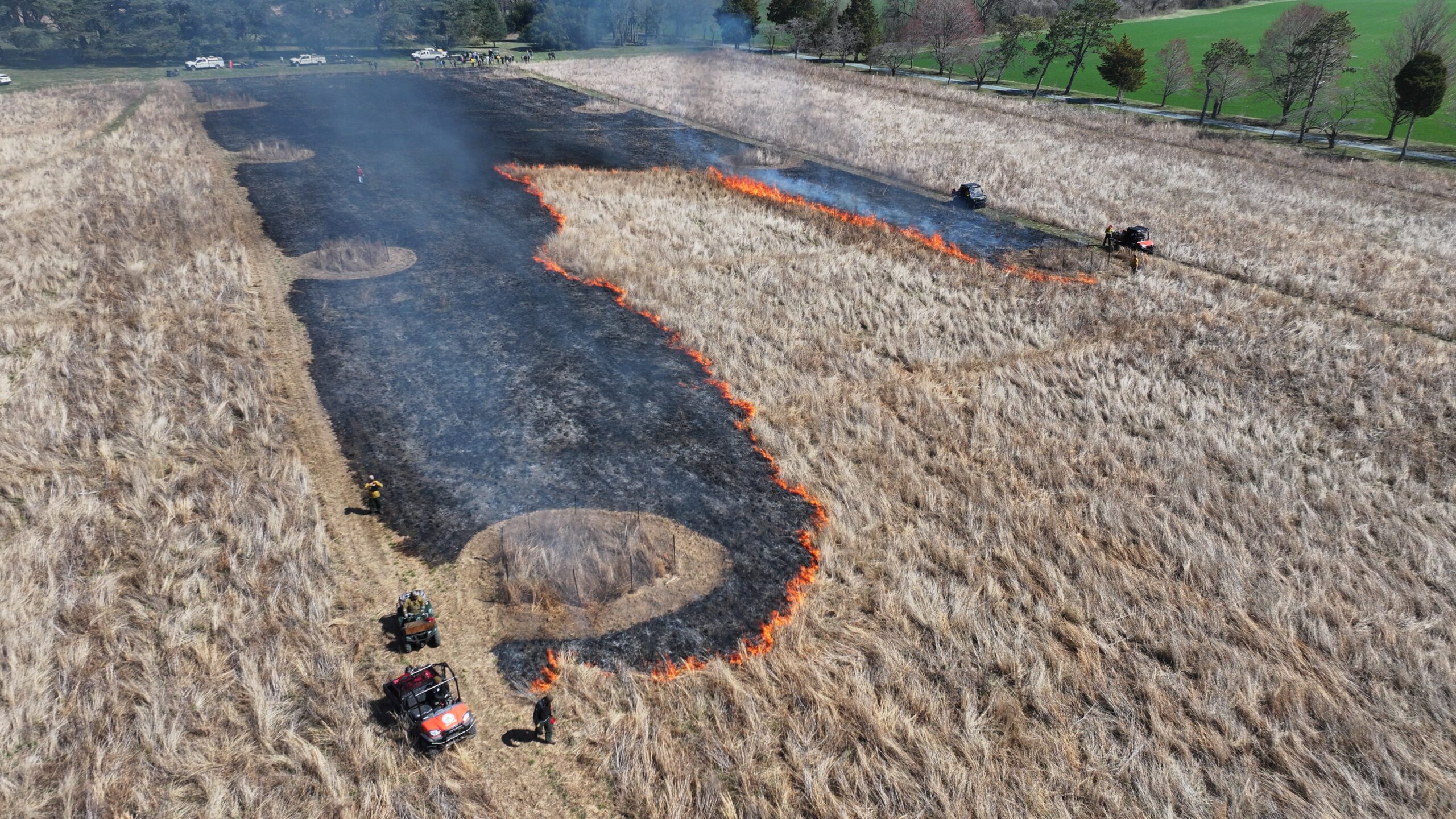
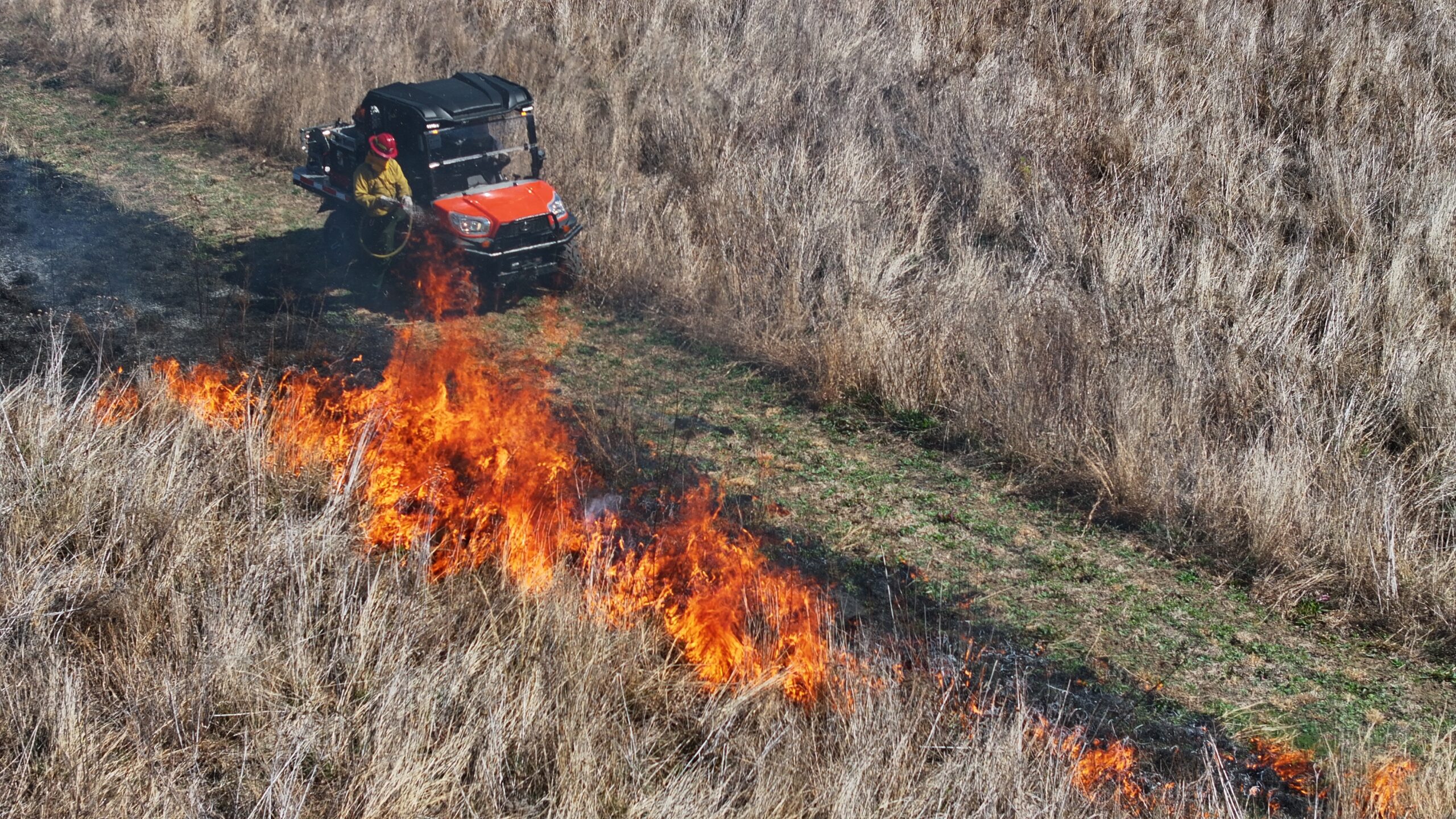
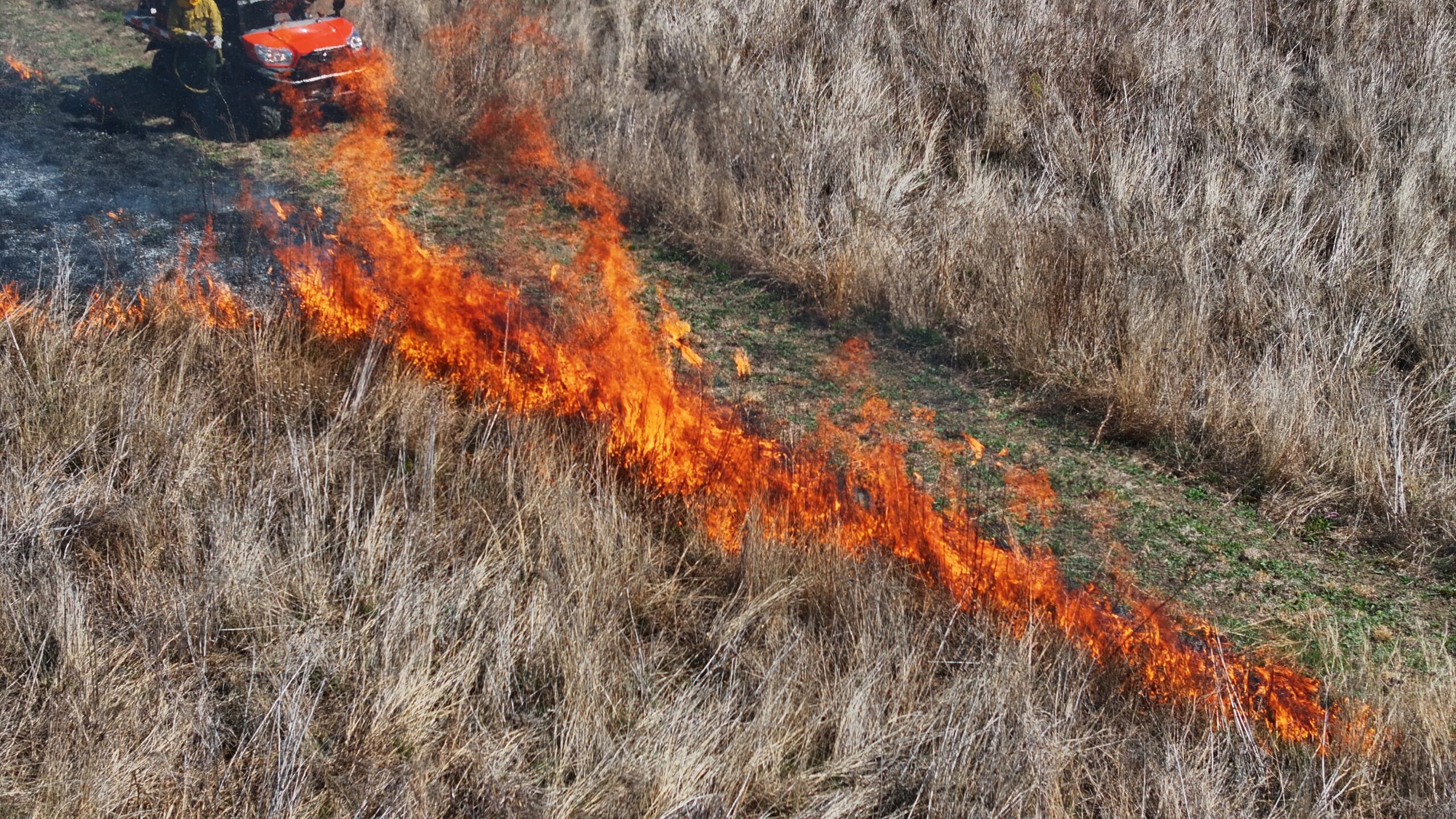
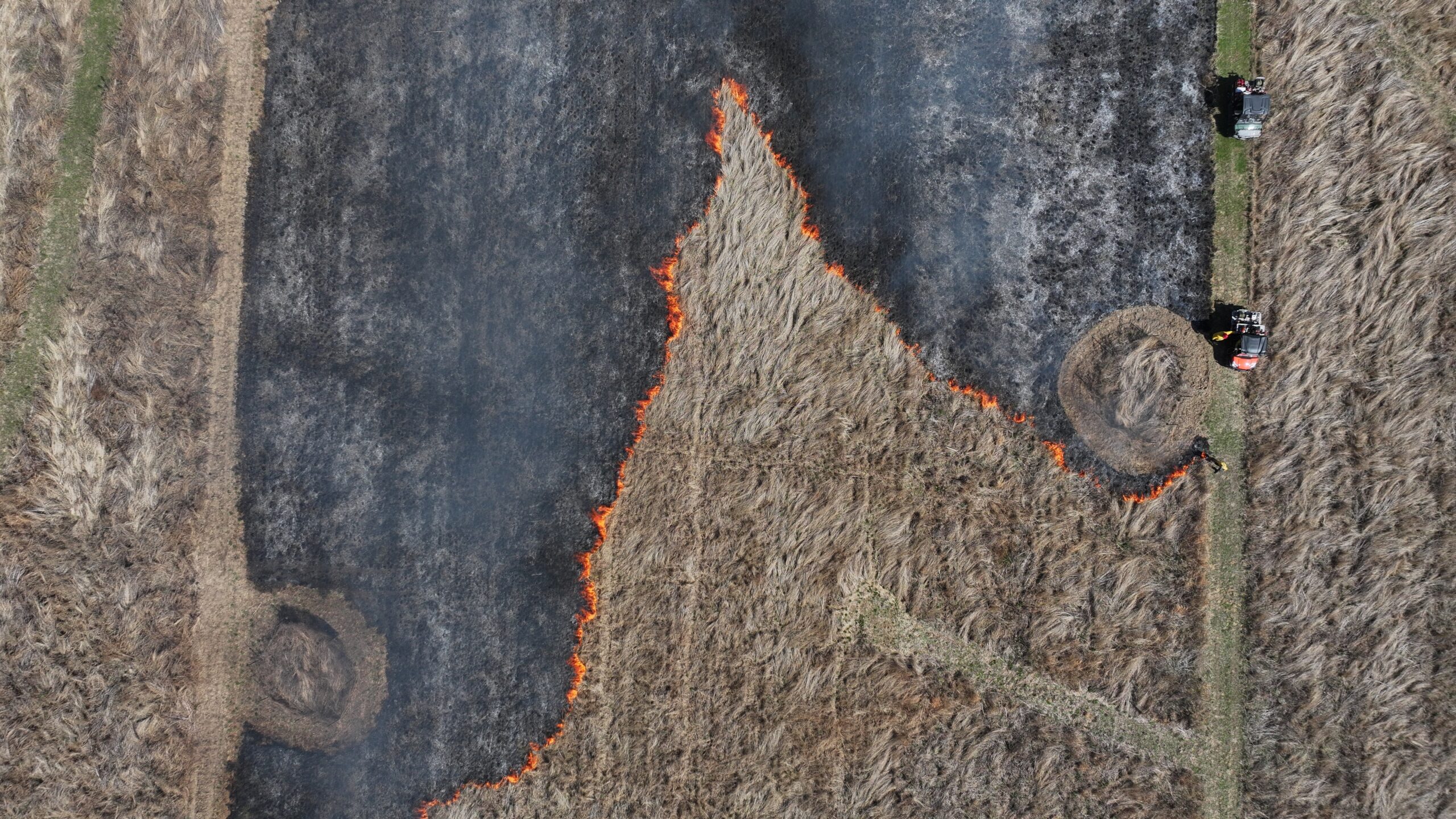
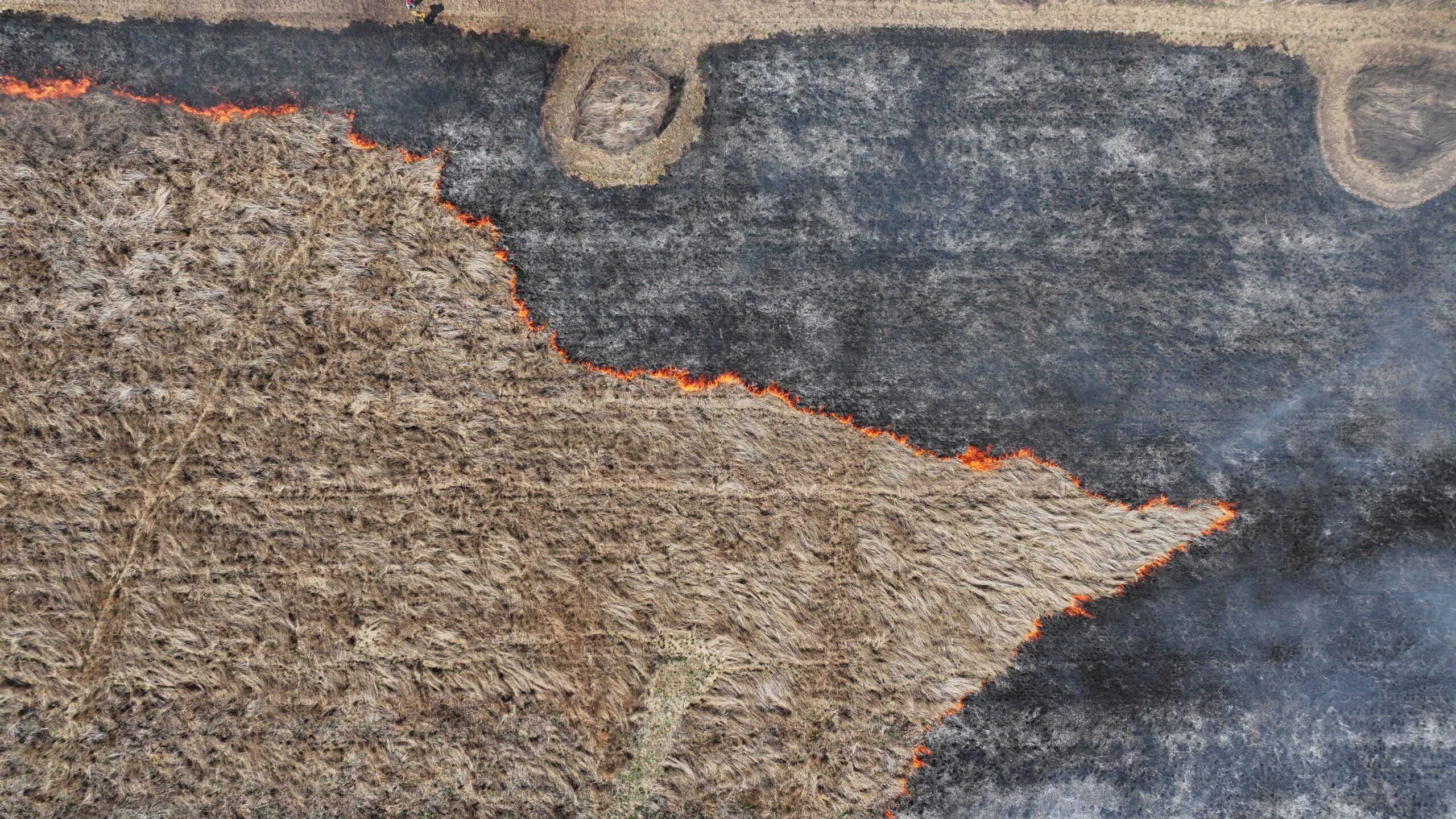
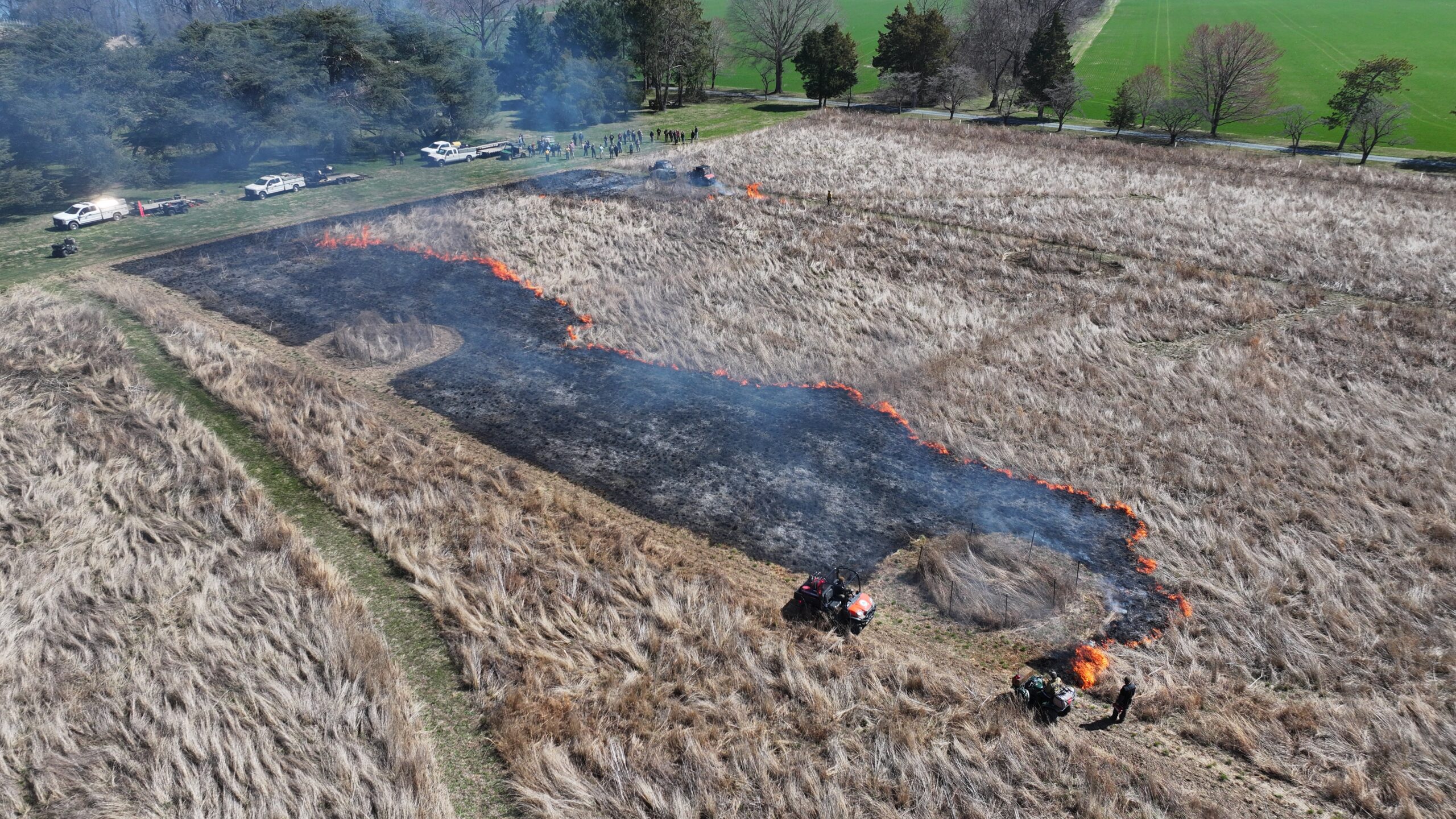
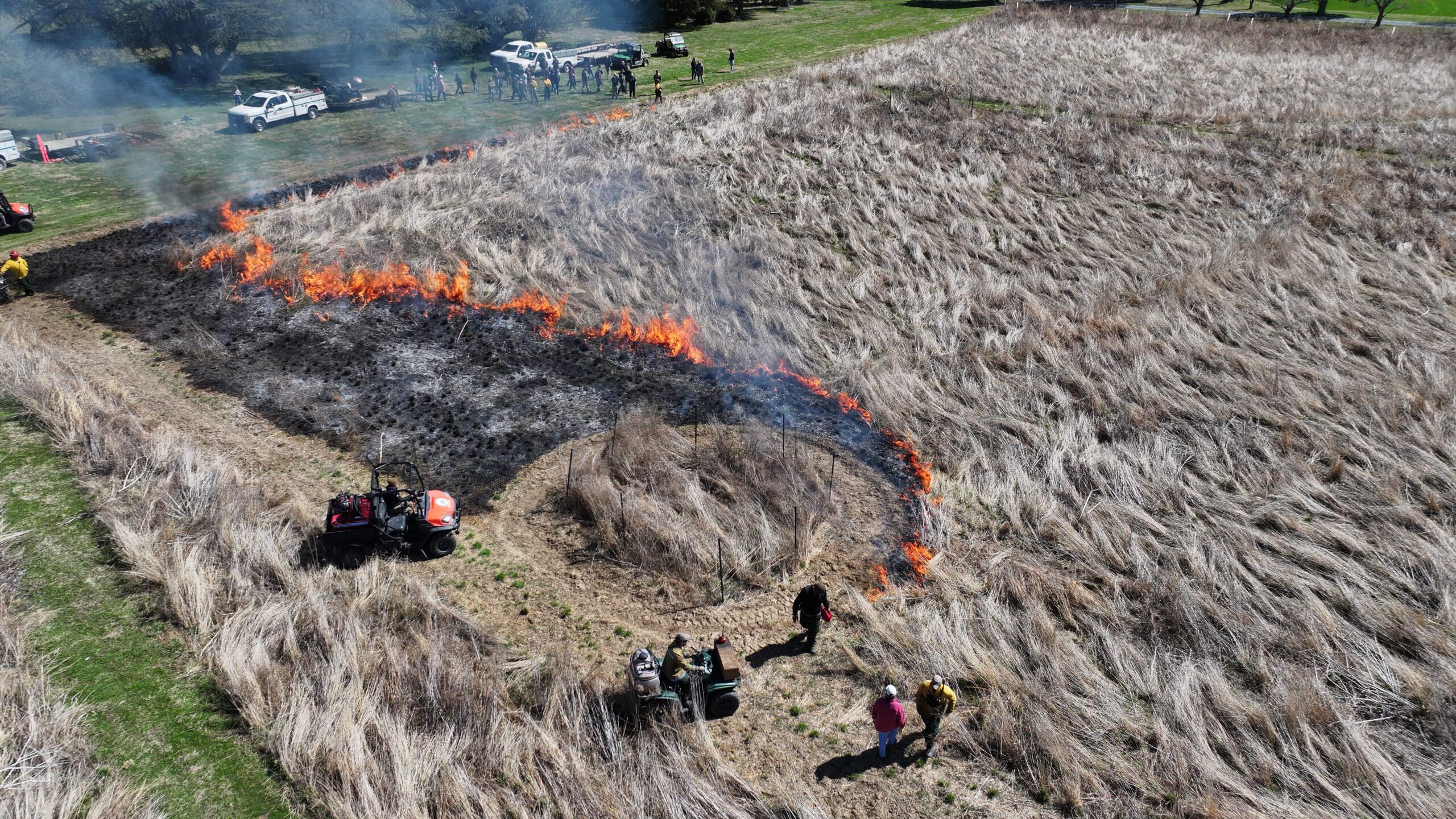
Friday’s burn demonstrated different speeds and intensities of burning. This variation was purposeful. For instance, burning slowly in the front field and being careful to exclude shrub islands allowed rabbits and other wildlife to seek refuge once the burning began. Lighting against the wind (rather than “with” it) also created a “backing fire” that moved slowly into the wind, creating more “black” (or burned area). Being “in the black” is the safest place you can be in a burn, as you’re not in combustible material. Establishing “black” creates a safety net around areas you don’t want to burn. Together the team lit smaller fires around the shrub islands (and around the osprey platform in the back field) to protect these areas, as fire can’t leap into a place that is already burned.

A rabbit finds well-hidden refuge in a shrub island during the burn at Piney Grove.
A rabbit hides within a shrub island during Piney Grove’s prescribed burn.


Prescribed fire is a team sport.


“Community conservation starts with collaboration,” said Katherine Thornton of the Natural Lands Project. Burning is an extremely useful stewardship tool and the Eastern Shore does have the experts and networks necessary to make fire a realistic option for a wide variety of large and small properties.

A great way to learn more about training and resources is to join the Eastern Shore Prescribed Burn Association! This nonprofit group is run by landowners for landowners. The group works together to pool resources and time to burn each other’s lands as necessary. The Kent County Soil and Conservation District, Maryland Forest Service, Natural Lands Project, and Kyle Magdziuk of Tall Timbers are also all great contacts for getting started. “It can be daunting when you’re first planning and getting things going,” said Shannon Wolfe, “but we can help streamline a lot of that for folks. We hope that anyone interested with questions will reach out to me or the Forest Service project staff.” Kyle Madgziuk agreed, “We hope that workshops like this ease hesitation surrounding using fire as a management tool. And we hope it opens people’s minds about implementing it themselves on their own land for their own benefits and objectives, whether that’s enhancing wildflower habitat, burning for quail, or increasing deer forage.”

Protecting your land with Eastern Shore Land Conservancy is another great first step for those looking to better steward and improve their land. Visit https://www.eslc.org/marylands-eastern-shore-land-conservancy/land-conservation/ to learn more about our conservation work, enhanced land stewardship, and the benefits of donating a conservation easement, just like the Liebers did at Piney Grove! We are so grateful to Jenn and Chip Lieber for their support of ESLC, their excellent stewardship of their historic farm, and their ongoing habitat management efforts, which benefit not just their own land, but the entire Eastern Shore.

To learn more about ESLC’s prescribed burn initiative, please reach out to Enhanced Stewardship Manager Larisa Prezioso at lprezioso@eslc.org. To learn more about Tall Timbers or about the brand new Eastern Shore Prescribed Burn Association, please reach out to Kyle Magdziuk at kmagdziuk@talltimbers.org.